


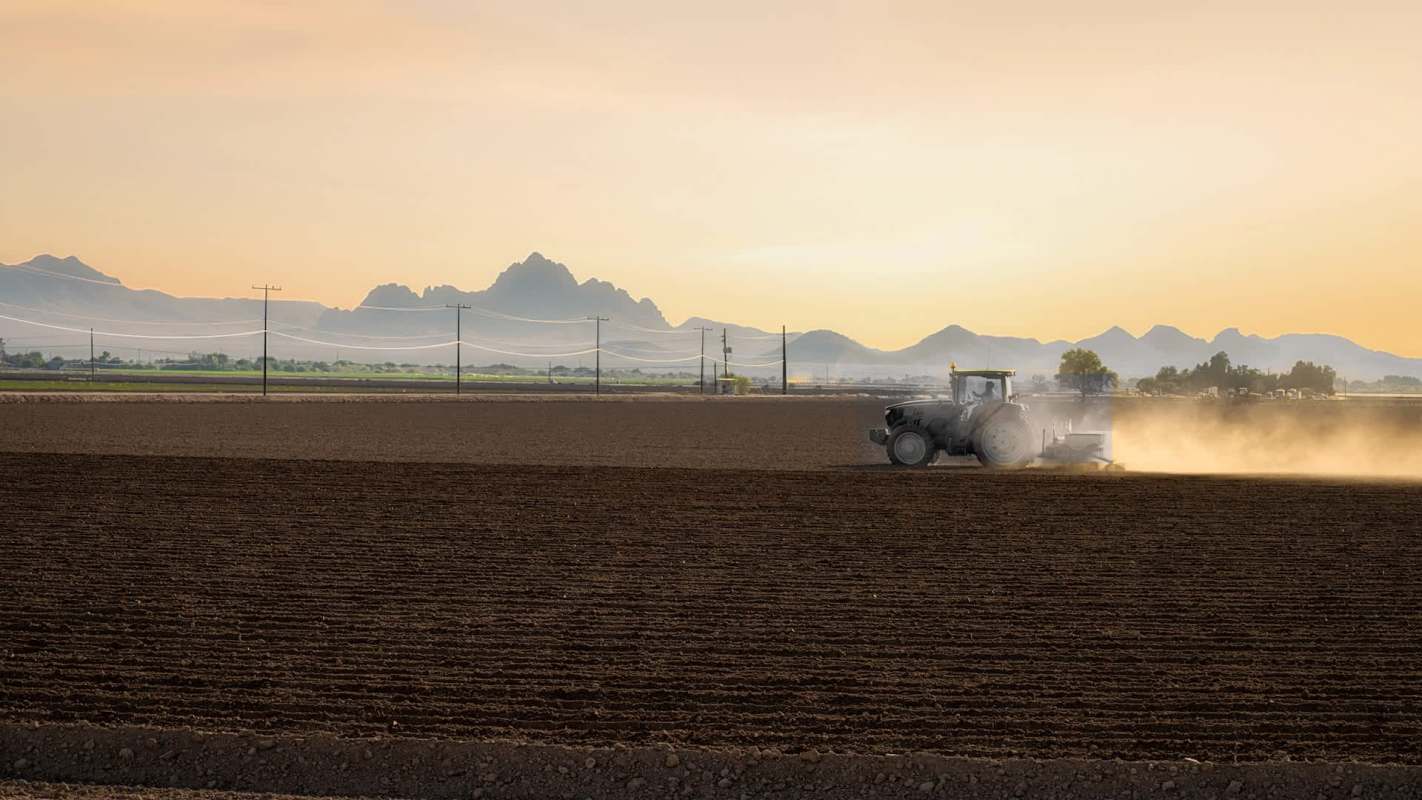
Across the United States, farmers are grappling with rising costs that are increasing pressure on their livelihoods.
According to a recent survey by the American Farm Bureau Federation, nearly 60% of U.S. farmers say they are facing worsening financial conditions as the 2026 growing season begins.
What's happening?
Farmers are dealing with a sharp increase in the cost of essential supplies such as fertilizer and fuel, according to CNBC.
"We're always battling weather, disease, and insects," North Carolina farmer Lorenda Overman said, per CNBC. "Three years we've had record high input prices, and it has just got higher the last six or eight weeks."
Fertilizer has become a particularly major hurdle. Prices have surged because of global shipping disruptions, forcing many farmers to rethink their plans at a critical moment.
Nearly half of Midwest farmers say they can't afford all the fertilizer they need, and that proportion climbs to 78% in parts of the South.
TCD Picks » Quince Spotlight
💡These best-sellers from Quince deliver affordable, sustainable luxury for all




On Overman's farm, fertilizer costs jumped from $139 per acre last year to $217 per acre this season.
"That increase that we've talked about on fertilizer happened right before spring planning. It was the worst timing of all," Oklahoma farmer Tommy Salisbury told CNBC. "We were already budgeted."
As a result, many farmers are adjusting their strategies to cope.
"We're going to cut back on our acreage of corn and try to plant a crop that's a little less fertilizer- and nitrogen-dependent, which would be soybeans," Overman said. "We're also going to ... spread that fertilizer a little bit thinner."
|
Which of these savings plans for rooftop solar panels would be most appealing for you?
Click your choice to see results and earn rewards to spend on home upgrades. |
 Save $1,000 this year 💸
 Why is this concerning?
Using less fertilizer can lead to lower crop yields. When production drops, it can tighten supply and drive up food prices for consumers.
The situation adds strain to an already fragile food system shaped by unpredictable weather and shifting global markets. Farmers are being squeezed from both sides — facing rising production costs while dealing with uncertain returns.
"We are paying input prices of 2026, but getting crop prices of the '70s and '80s," Salisbury told CNBC.
Over time, these pressures could threaten the survival of small farms, potentially reshaping rural communities and affecting which foods are available — and affordable — for Americans.
What's being done about it?
Farmers are doing what they can by shifting crops, adjusting budgets, and stretching resources.
Meanwhile, the American Farm Bureau Federation plans to bring these concerns to federal leaders, advocating for support to help farmers manage rising costs.

Get TCD's free newsletters for easy tips, smart advice, and a chance to earn $5,000 toward home upgrades. To see more stories like this one, change your Google preferences here.






