


Ever wonder where your trash really goes after you throw it away? The answer may be more surprising — and unsettling — than you think.
A new report sheds light on the path of America's waste once it leaves the country, according to the Guardian.
Last month, Marcos Orellana, the United Nations' special rapporteur on toxics and human rights, conducted an 11-day investigative mission across Mexico, documenting the environmental and health risks facing local communities.
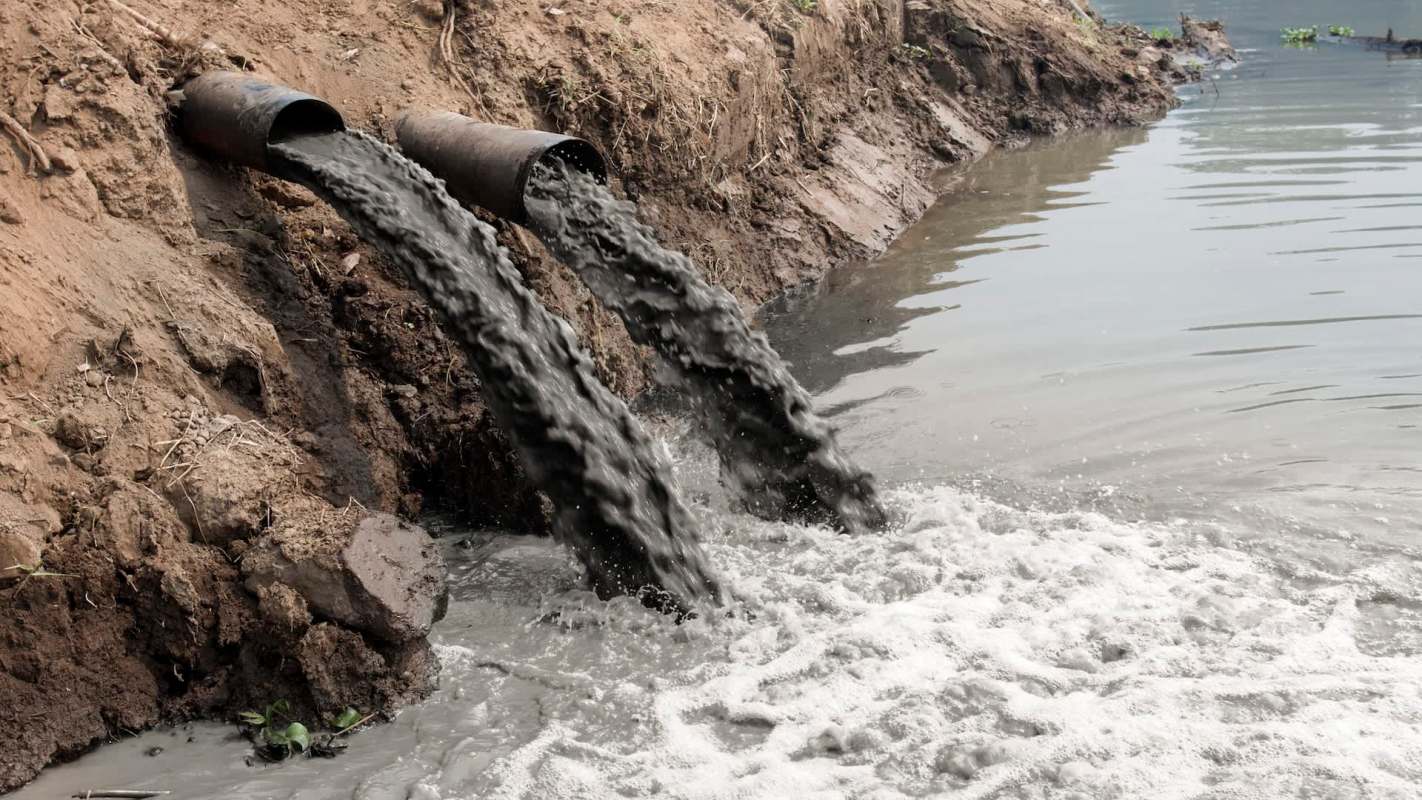
In interviews and a preliminary report, Orellana described visiting heavily polluted areas where communities live near contaminated rivers, industrial sites, and waste facilities.
He warned that hazardous waste is flowing from the United States into Mexico at concerning levels.
"U.S. overconsumption and economic activity are using Mexico as a garbage sink," Orellana said in an interview with the Guardian and Quinto Elemento Lab, an investigative outlet.
TCD Picks » Quince Spotlight
💡These best-sellers from Quince deliver affordable, sustainable luxury for all




According to the report, Mexico's National Inventory of Contaminated Sites listed more than 1,000 affected locations — many of which have become so-called "sacrifice zones," where cancer, miscarriages, and other serious health crises have become part of daily life.
"As I heard during one meeting: living in a sacrifice zone means losing the right to die of old age," he wrote.
In industrial cities like Monterrey, residents have reported persistent health problems tied to pollution, including respiratory issues and irritation.
"Families consider it normal for children to have constant coughing," said Guadalupe Rodríguez, director of a network of childcare centers in Monterrey, per the Guardian.
|
Which of these savings plans for rooftop solar panels would be most appealing for you?
Click your choice to see results and earn rewards to spend on home upgrades. |
 Save $1,000 this year 💸
 At the same time, Orellana said corporations often face little accountability, with limited pressure to prevent, contain, or clean up the devastation they leave behind.
He described the situation as the "legalized poisoning of people."
When waste, especially hazardous materials, is exported without proper oversight, it can continue harming people and ecosystems long after it leaves its country of origin. This can slow progress toward cleaner, healthier communities, particularly in regions with fewer resources to manage contamination.
Mexican officials have acknowledged the need for stronger environmental standards, and some lawmakers are pushing for tighter restrictions on waste imports.
Orellana also emphasized that countries can reduce harm by strengthening regulations and improving enforcement.

Get TCD's free newsletters for easy tips to save more, waste less, and make smarter choices — and earn up to $5,000 toward clean upgrades in TCD's exclusive Rewards Club.







