


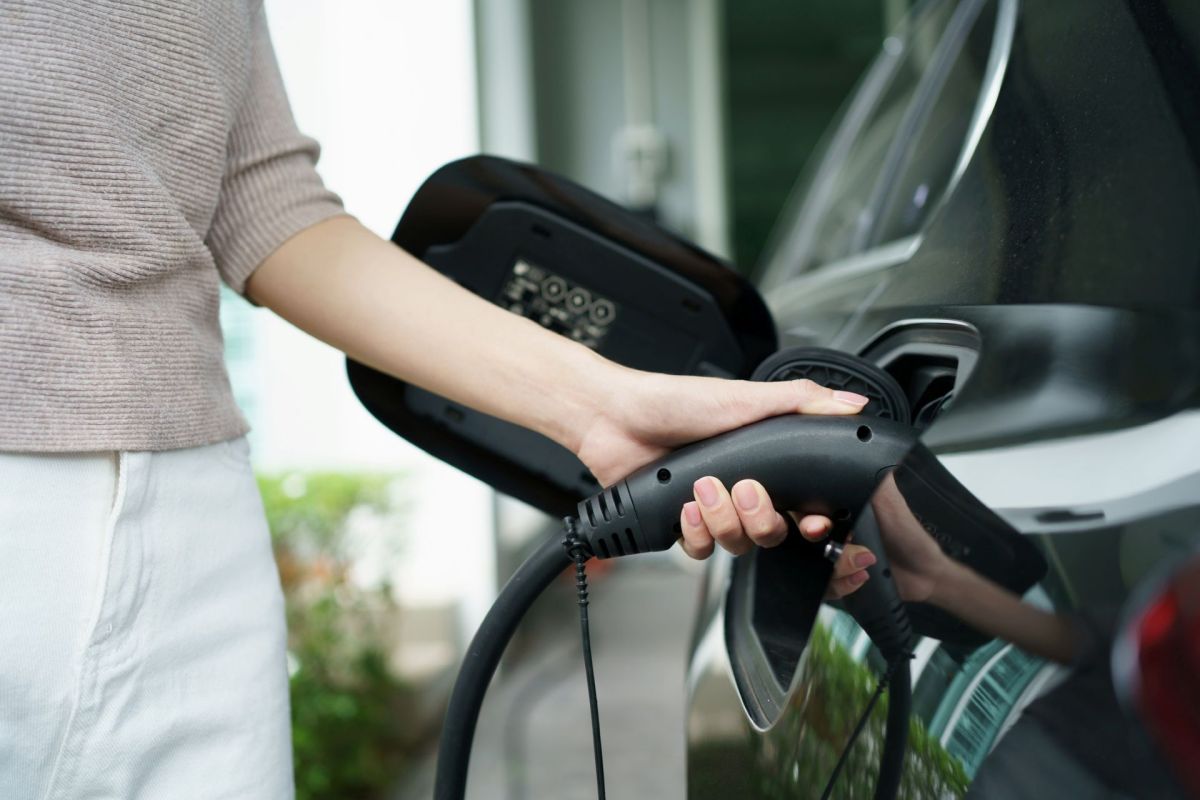
Some familiar names in electric vehicle charging — Tesla, Emporia, and ChargePoint among them — lead the list of preferred charger brands, according to an EnergySage electrician survey regarding homeowner trends.
About 75% of respondents said they frequently install each one.
"This reflects both strong consumer demand for these brands and contractors' confidence in their reliability and performance," EnergySage's experts wrote.
It's part of a comprehensive look at home electrification that indicated the pros are "well-positioned to meet demand across multiple product categories rather than serving as single product specialists."
EV chargers, solar panels, battery storage, and heat pumps are among upgrades being added to work orders. They all contribute to energy independence by limiting reliance on coal, oil, and gas power sources. Those fuels create harmful air pollution and are becoming increasingly expensive.
Charging at home is also one of the best ways to maximize EV savings by avoiding fees at public stalls. Qmerit's analysis found that charging at home saves hundreds to thousands of dollars a year compared to gas and public charge ports. That's in addition to cleaner, quieter travel and around $1,500 a year in gas and maintenance savings.
Qmerit is a great resource to help you get started on installing a Level 2 plug-in at your house. Its experts deliver competitive estimates on installations, starting with some basic information about your electrical panel and installation site.
Home chargers are typically Level 1 or 2. The former option uses a standard wall outlet and a cable that usually comes with the EV. It's a convenient but slow option, requiring up to 50 hours or more for a full battery. Level 2 chargers are professionally installed and are much faster, providing a recharge in one to eight hours, depending on the battery, according to Qmerit.
Save $10,000 on solar panels without even sharing your phone number Want to go solar but not sure who to trust? EnergySage has your back with free and transparent quotes from fully vetted providers in your area. To get started, just answer a few questions about your home — no phone number required. Within a day or two, EnergySage will email you the best options for your needs, and their expert advisers can help you compare quotes and pick a winner. Solar panels can save you more than $50k over their 25-year lifespan, and EnergySage can help you save as much as $10k on installation. Which begs the question — isn't that worth an email or two? |

Both of those methods avoid public stall fees and can be used overnight. You can also take advantage of when electricity rates are cheapest. EV Industry Blog reported that Level 2 chargers can cost between $500 and $2,500, depending on installation difficulty.
For their part, DC fast-chargers, like the kind at many roadside stations, are the fastest option. Tesla Superchargers can provide a couple of hundred miles of range in under 20 minutes, for instance. But the speed comes at greater expense.
|
Which of these savings plans for rooftop solar panels would be most appealing for you?
Click your choice to see results and earn rewards to spend on home upgrades. |
 Save $1,000 this year 💸
 Home solar can add to the benefits by utilizing electricity produced at home to charge your EV. TCD's Solar Explorer is a great resource that connects customers with trusted partners and installation cost estimates from vetted installers. The insight can save you up to $10,000 on upfront costs.
As for the pros, when choosing an EV charger, they look for easy installation, price, load management, and brand reputation, EnergySage's survey found.
"Contractors prioritized practical installation considerations over advanced features," per the findings.

Get TCD's free newsletters for easy tips to save more, waste less, and make smarter choices — and earn up to $5,000 toward clean upgrades in TCD's exclusive Rewards Club.






