


Researchers recently made dramatic progress toward developing a hybrid material that could convert low-energy light into high-energy light.
The new technology is a major breakthrough that could improve self-driving cars, solar panels, night vision technology, and more. Currently, these technologies are all limited by the speed at which the materials can convert low-energy light — like the kind found in microwaves and radio waves — into high-energy light, such as ultraviolet waves, X-rays, and gamma rays.
The higher energy a light ray is, the easier it is to extract power from. So efficiently converting low-energy light into valuable, high-energy light could open up a treasure trove of power sources.
The new material comprises "ultra-small silicon nanoparticles" and organic materials like anthracene, which is used in food dyes.
Self-driving cars, in particular, could benefit majorly from this advancement. The long-wave infrared light travels well through the fog, which can be converted to short-wave light that can be read more easily by sensors. Scientists are hopeful this new technology will help self-driving cars navigate through fog and adverse weather conditions, which the sensor's capabilities would have previously limited.
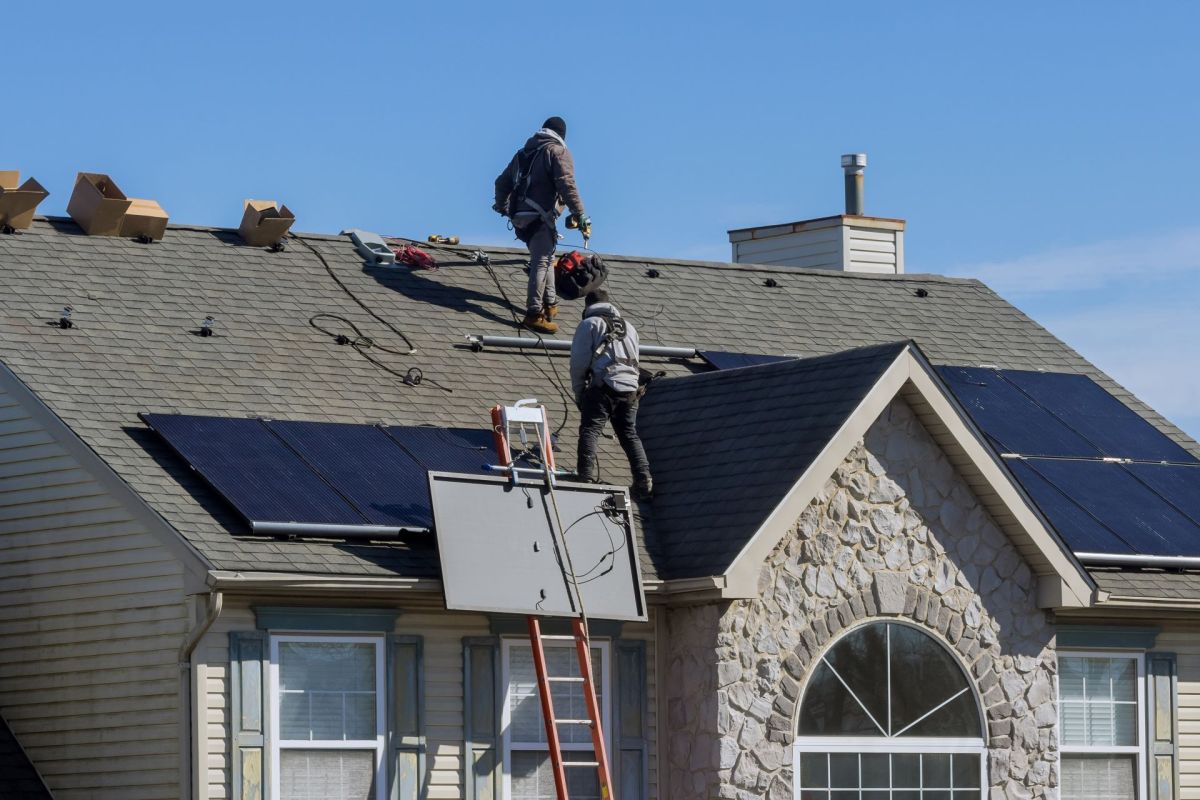
Meanwhile, this rapid transfer technology could also make solar panels more efficient, allowing them to take advantage of "near-infrared," low-energy light that other panels can't capture and utilize. Researchers estimate that capturing this extra power could enable us to reduce the size of solar panels by over 30% — while still getting as much power from them.
TCD Picks » Quince Spotlight
💡These best-sellers from Quince deliver affordable, sustainable luxury for all




Currently, the average efficiency rate for a solar panel (the percentage of solar energy hitting the panels that is actually converted into usable energy) is between 15% and 18%, according to IGS Energy. But these smaller panels would be more efficient for their size, meaning it would be easier to bring free, renewable energy into homes — a change that could majorly slash our monthly power bills.

Join our free newsletter for weekly updates on the coolest innovations improving our lives and saving our planet.






