


Ever since microplastics entered public consciousness back in 2004, when marine biologist Richard Thompson coined the term, they have vexed the scientists struggling to clean them up.
A cost-effective, chemical-free key to removing them from water could be a fruity-scented molecule known as limonene, according to Josh Bloom, director of chemical and pharmaceutical science for the American Council on Science and Health. Bloom delved into a recent study's findings in a post for the council in February.
Microplastics can be invisible to the human eye, but their pollution of essentially every known ecosystem and their links to chronic disease make the problem too widespread to ignore.
As a result, a myriad of plastic-free alternatives to everyday products are entering the market. Still, existing plastic contamination is tricky to clean up, and it can be expensive. In light of these challenges, researchers are searching for solutions.
Bloom, who holds a Ph.D. in organic chemistry, wrote that the limonene discovery involved a web of "transcriptional regulation, ribosomes, DNA polymerase, and other topics that send us reaching for the Rolaids."
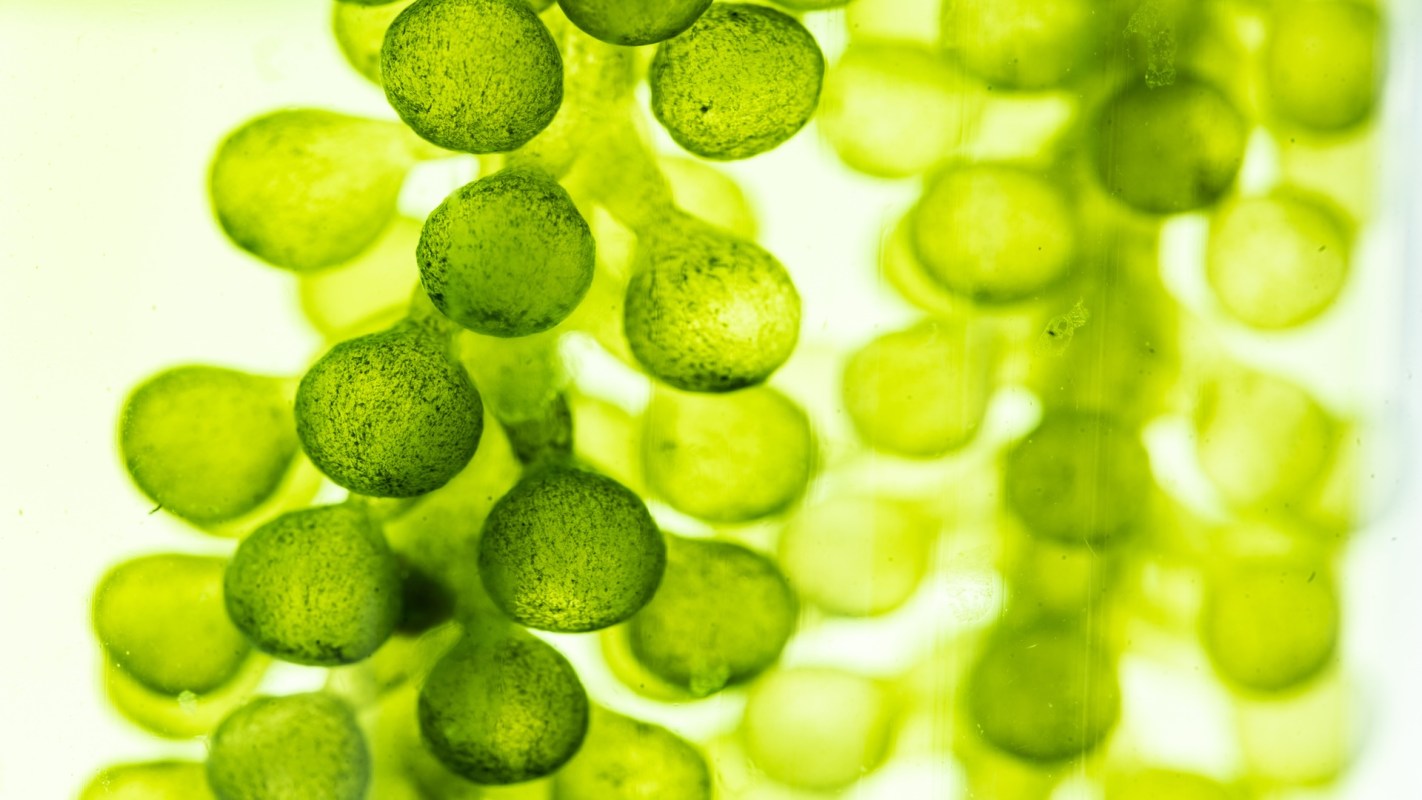
The important part to know is that the team, which published its study in Nature Communications in December 2025, used genetic manipulation to create a limonene-enriched algae that can absorb microplastics. To do this, researchers inserted a limonene synthase gene into cyanobacterium DNA. In turn, the algae produce limonene at "very high levels."
TCD Picks » Quince Spotlight
💡These best-sellers from Quince deliver affordable, sustainable luxury for all




So, why did researchers want the algae to churn out limonene?
In his article, Bloom explained that limonene shares an important quality with plastics: It's hydrophobic. In other words, it doesn't readily mix with water, so "chemistry takes over" when microplastic-contaminated water encounters limonene-coated cells.
"As they bind, aggregates form, and once those clumps become large enough, gravity does the rest. Within about an hour, much of the microplastic settles to the bottom as sediment," Bloom wrote, noting that the sediment is easy to separate from water without pricey filtration systems prone to clogs.
"It's surface chemistry plus synthetic biology, applied with unusual practicality," he concluded. "Very clever, indeed."
|
Which of these savings plans for rooftop solar panels would be most appealing for you?
Click your choice to see results and earn rewards to spend on home upgrades. |
 Save $1,000 this year 💸
Get TCD's free newsletters for easy tips to save more, waste less, and make smarter choices — and earn up to $5,000 toward clean upgrades in TCD's exclusive Rewards Club.






