


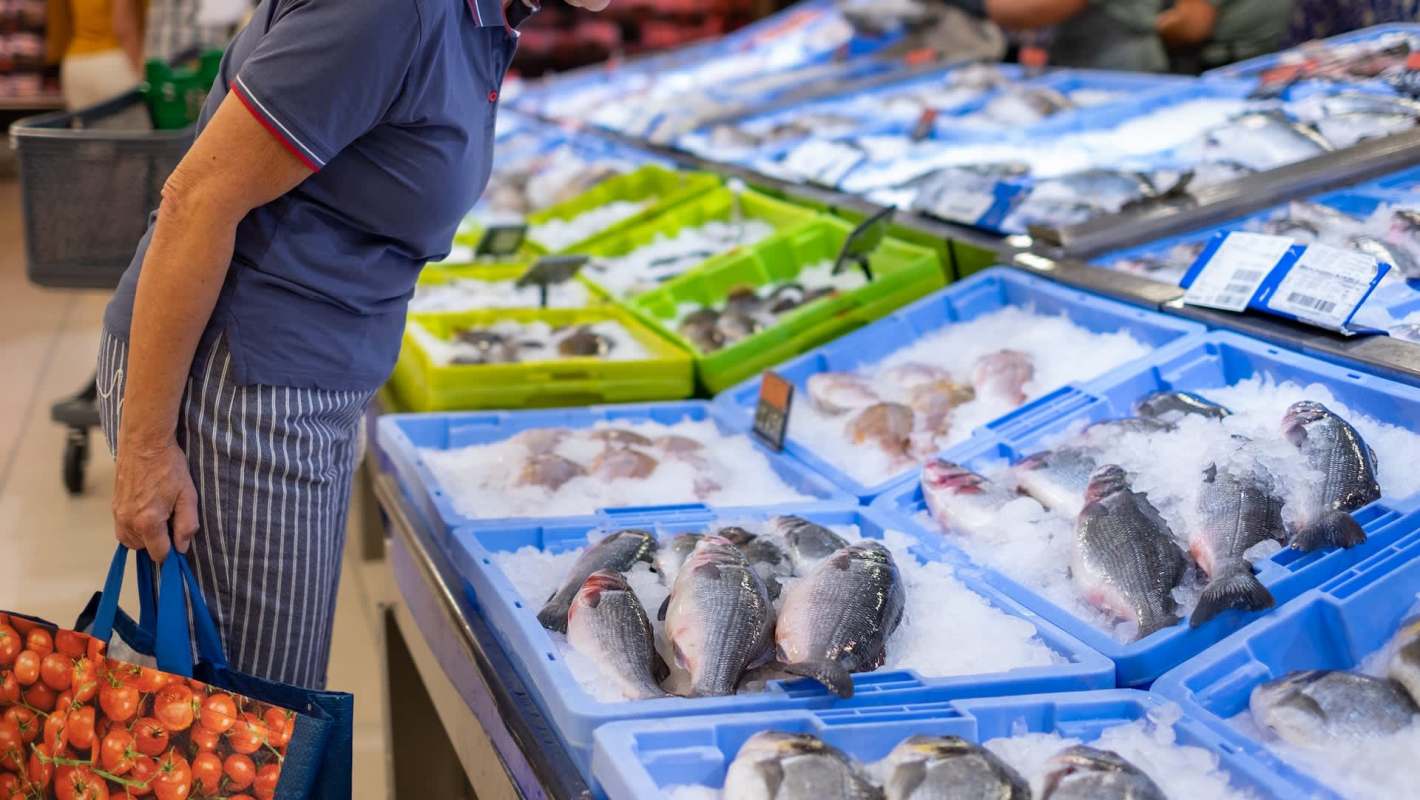
Guinea-Bissau is taking a stand for the little guy — well, in this case, the little fish.
According to SeafoodSource, the West African nation announced decisive steps to address the overfishing of small pelagic fish by banning the production of fishmeal and fish oil.
Fisheries and Maritime Economy minister Virginia Pires Correia revealed the country will "adopt immediate corrective measures in order to suspend, restrict, and stop the production activity of fishmeal and fish oil, whether by ships or by units on land."
The move comes amid concerns about the depletion of small pelagic species, which are essential both for the ecosystem and local food security. Bolstering the move is a pause on fishing licenses for operators looking to provide fishmeal and fish oil to supply ships.
Béatrice Gorez of the Coalition for Fair Fisheries Arrangements highlighted the importance of West African nations prioritizing small pelagics for direct human consumption. She stressed that governments should invest in small-scale fisheries to supply these fish for local and regional markets. Part of that effort will hinge on access to accurate data to monitor the aquaculture industry.
"Greater transparency is also essential," Gorez added, noting that "public reporting on volumes by species, destination, and export flows would make it easier to assess real impacts and hold industry accountable."
TCD Picks » Quince Spotlight
💡These best-sellers from Quince deliver affordable, sustainable luxury for all




Indeed, some fish farmers have been accused of cooking the books on just how many small pelagic fish are being taken out of the water. The survival of these highly coveted fish species could end up in grave danger if these trends continue.
That isn't just bad for the aquaculture industry's needs and the marine food chain. Fish oil has become an important supplement for many humans, and many locals rely on the small fish as a food source.
Some see Guinea-Bissau's overfishing ban as a pioneering step. The Regional Partnership for Coastal and Marine Conservation in West Africa branded it as "courageous."
This initiative aligns with their broader commitments to marine conservation, including an agreement with the European Union to limit the fishing of pelagic species. It may inspire the country's neighbors to secure the future of a small but valuable fish species.
"We hope this decision will pave the way for a positive momentum across the sub-region, fostering healthy oceans and a sustainable future for communities," the Regional Partnership for Coastal and Marine Conservation in West Africa concluded.
|
Which of these savings plans for rooftop solar panels would be most appealing for you?
Click your choice to see results and earn rewards to spend on home upgrades. |
 Save $1,000 this year 💸
Get TCD's free newsletters for easy tips to save more, waste less, and make smarter choices — and earn up to $5,000 toward clean upgrades in TCD's exclusive Rewards Club.







