


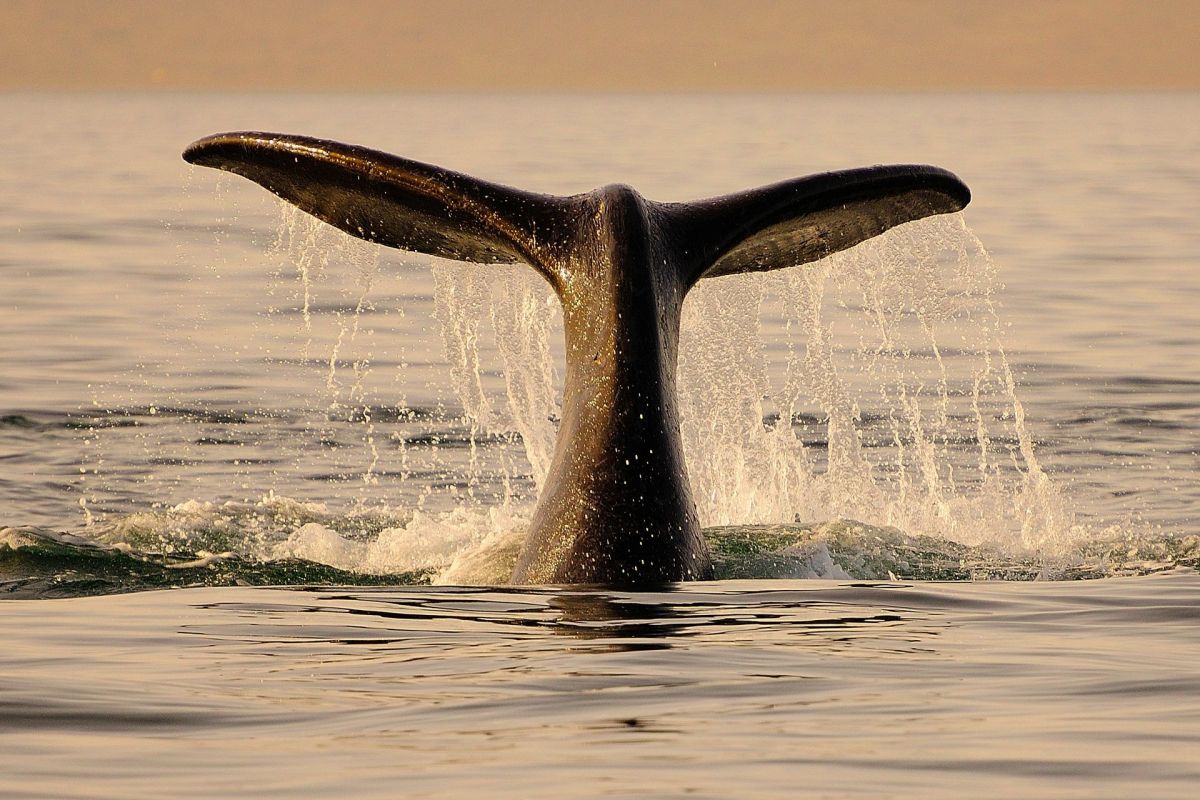
Ocean experts reported that something is amiss with southern right whale birth rates, and their survival is at risk.
What's happening?
Whale and Dolphin Conservation reported that there are currently about 7,500 southern right whales in Earth's oceans. Males can grow to be 50 feet long, weigh 88 tons, and live for 50 years. From May to October, the whales dwell off Australia's southern coast to breed and calve.
Research published in Scientific Reports indicated that warming Southern Ocean water is melting Antarctic ice and causing staple whale prey such as krill and other creatures to relocate.
Krill use sea ice for cover and eat algae that grows underneath it. A single whale consumes about 800 pounds of these crustaceans a day, according to Inside Climate News.
"Their food is moving and changing, and so they have to work harder to find food," said study lead author Claire Charlton, per ICN. Charlton is an associate researcher at Flinders University in South Australia.
Researchers from a collection of universities and agencies from Australia, South Africa, and the United States were listed in the study. They examined photo-identification data from 1991 to 2024 in whale territory, determining that changing prey movements are delaying reproduction. In the past, females typically birthed a calf every three years, but now the average is once every four or more years, according to the findings.
TCD Picks » Quince Spotlight
💡These best-sellers from Quince deliver affordable, sustainable luxury for all




"This reproductive decline represents a threshold warning for the species and highlights the need for coordinated conservation efforts in the Southern Ocean," the experts wrote.
The International Union for Conservation of Nature and Natural Resources listed the southern right whale as a species of "least concern." But the mammal is considered endangered under the Endangered Species Act.
Protections banning commercial whale hunting have helped save the species from extinction.
Why is the birth rate important?
Experts fear that the population progress that was made following decades of protection could be in jeopardy.
|
Which of these savings plans for rooftop solar panels would be most appealing for you?
Click your choice to see results and earn rewards to spend on home upgrades. |
 Save $1,000 this year 💸
 Warmer seas are a factor, causing coral bleaching and other problems. Earth's oceans hold 91% of the planet's excess solar heat, which is trapped by gases that are released during the continued burning of oil, gas, and coal for energy, according to the National Oceanic and Atmospheric Administration.
"Their future is now in doubt," NOAA biologist Robert Brownell Jr. said of the Southern Right Whale.
Other species, such as humpbacks, are being impacted in a similar way, ICN reported.
What's being done to help?
Charlton said that food web changes are just one of several human-related problems challenging whales. Noise pollution, vessel strikes, and fishing gear entanglements are among others.
The High Seas Treaty, which became enforceable in early 2026, is an example of international cooperation that can make a difference in mitigating these factors.
"We have this duty to manage and reduce threats," Charlton said, calling for more protections.
Stronger regulations elsewhere that are geared toward managing sustainable fishing have proven successful, showing that the right rules can work without greatly impacting commercial goals.
Staying informed about policies that impact ocean health can help guide your advocacy and votes. Supporting vetted causes that share your values is another way to become part of the solution.

Get TCD's free newsletters for easy tips to save more, waste less, and make smarter choices — and earn up to $5,000 toward clean upgrades in TCD's exclusive Rewards Club.







