


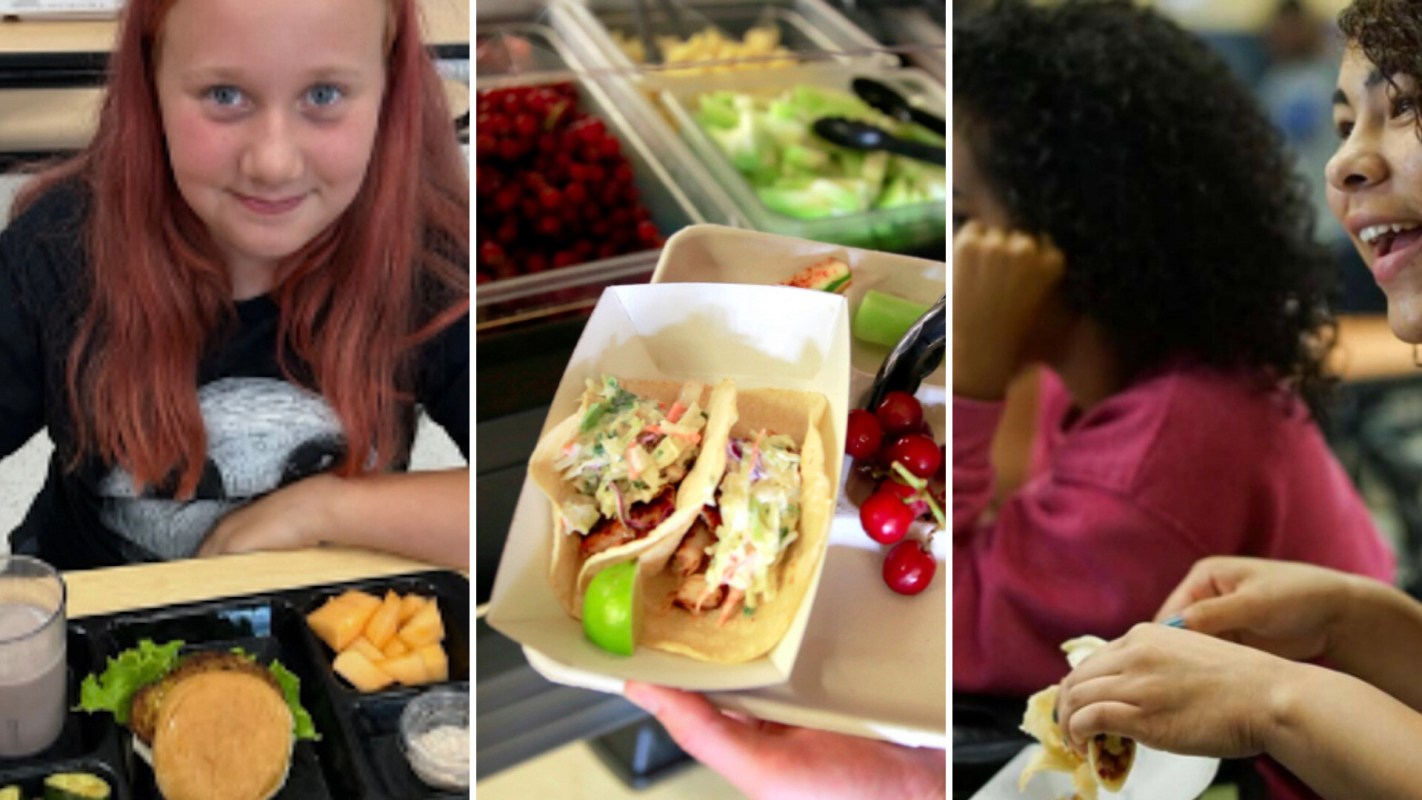
The Bay2Tray seafood program is making its way from the West Coast to the East and putting overly abundant blue catfish on menus in Maryland, local station WBOC reported recently.
According to the news outlet, seafood company Real Good Fish announced in February that it will partner with seafood processors and state agencies to bring the fish to various institutions, including K-12 schools where students usually don't receive many servings of seafood.
"Our goal is to help schools reach the recommended two servings of seafood per week," Real Good Fish founder Alan Lovewell said to WBOC. "Right now, most students only eat about one serving of seafood per year at school."
Blue catfish are nutritious but problematic in the Chesapeake Bay of Maryland and Virginia.
The Smithsonian Environmental Research Center stated that the fish are originally from Mississippi River and Gulf Coast drainage areas. Once humans introduced blue catfish to the West and East Coasts, however, their numbers have soared upward.
This failure of environmental management has created harm to species local to the Chesapeake Bay. WBOC noted that crab, oyster, and commercial fishing industries have also experienced difficulties.
TCD Picks » Quince Spotlight
💡These best-sellers from Quince deliver affordable, sustainable luxury for all




By instituting the Bay2Tray program, Real Good Fish and its partners are doing their part to bring balance back to ecosystems and better nutrition to students' diets.
In a study from the Virginia Cooperative Extension, researchers found that blue catfish have a substantial amount of omega-3 fatty acids. These nutrients help support cardiovascular health, cognitive function, and eye development. Other food sources with omega-3s include ground flaxseeds, walnuts, and edamame.
It has been difficult for Maryland schools to provide foods like fish because of budget constraints.
Real Good Fish said that many districts spend under $1.25 a meal per student, which makes creating nutrient-dense meals a challenge. Lovewell told WBOC that he hopes this initiative will make sustainable seafood more accessible to people.
|
Which of these savings plans for rooftop solar panels would be most appealing for you?
Click your choice to see results and earn rewards to spend on home upgrades. |
 Save $1,000 this year 💸
 And so far, the students have been loving it.
"We've been serving blue catfish burgers on our menu for quite some time, and many students say it's the best meal we have," said Beth Brewster, food service supervisor for Caroline County Public Schools. "It also gives students a sense of pride knowing they're helping the local environment."
The Maryland state government is also working with the United States Department of Agriculture to provide financial incentives for wild-caught blue catfish. It aims to send 283,000 pounds of fish fillets to local food banks, which will also hopefully create a more secure supply of nutrient-dense foods.

Get TCD's free newsletters for easy tips to save more, waste less, and make smarter choices — and earn up to $5,000 toward clean upgrades in TCD's exclusive Rewards Club.







