


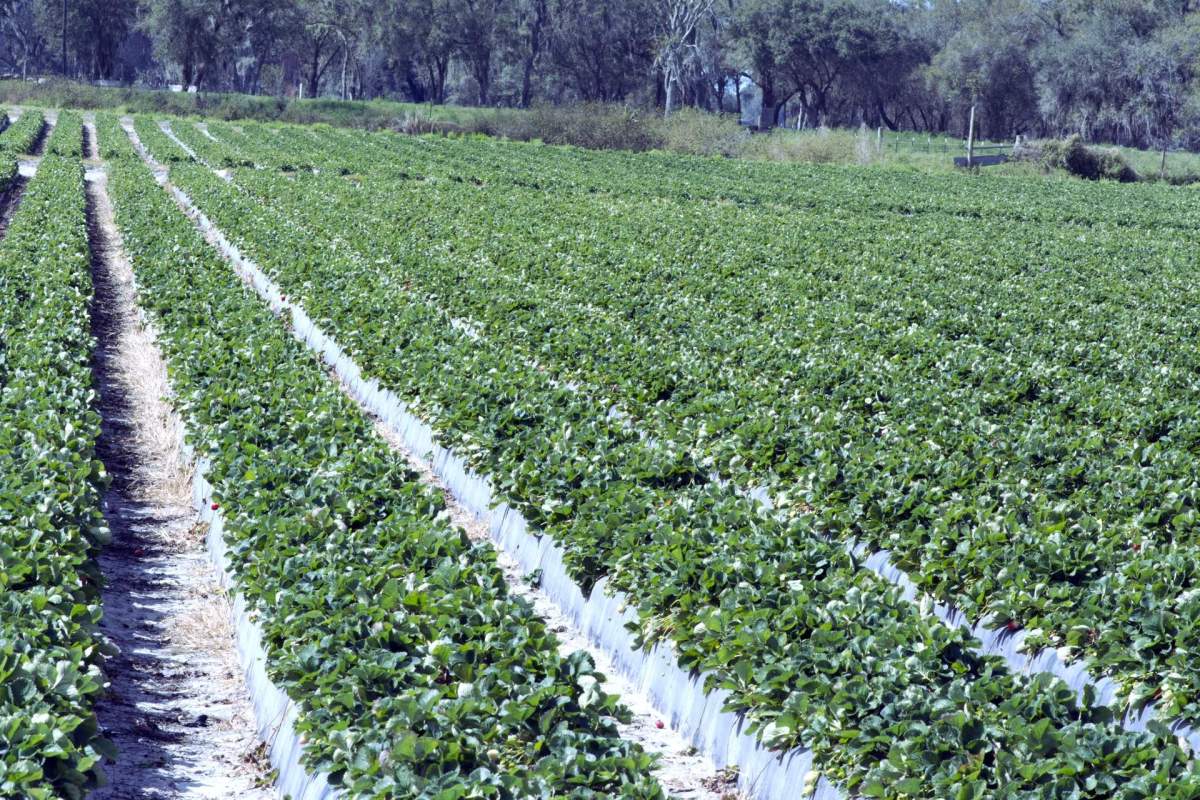
As frigid temperatures swept across Southern Florida, farmers worried that continued cold could lead to ruined crops and higher prices.
Many farmers throughout the Sunshine State reported that the chill was so bad at night that their plants were encased in ice by morning.
What's happening?
Repeated days of frost do not bode well for Florida's produce production, as the death of many crops will leave gaps in the market.
"With another cold night in the forecast, farmers are preparing for more potential losses," CBS News reported Feb. 2.
Many farmers were still assessing damages, but some had taken stock and were concerned about the impacts on their businesses and crop yields.
Kern Carpenter, the owner of a nursery, told CBS News almost 20% of his tomatoes were damaged. "The wind died, and it got cold really fast," he said. "We did the best we could and still got burned."
TCD Picks » Quince Spotlight
💡These best-sellers from Quince deliver affordable, sustainable luxury for all




Sam Accursio, a green bean farmer, faced a similar issue, saying his harvest was especially exposed to cost increases. "In this particular case, the lack of product will probably drive the price up," he told CBS News.
Why is this important?
When unexpected and extreme weather events happen, people are left to pick up the pieces.
There is concern that more such issues will arise since global temperatures are continuing to warm at an accelerated rate.
From wildfires to floods, experts have noticed an uptick of unpredictable weather problems in recent years. These events are also becoming more severe because of the changing climate.
|
Which of these savings plans for rooftop solar panels would be most appealing for you?
Click your choice to see results and earn rewards to spend on home upgrades. |
 Save $1,000 this year 💸
 As a result, crucial food sources are impacted, and not just in the Western Hemisphere.
A recent series of extreme floods put several Indonesian provinces at risk of total crop failures, leaving consumers worried about decreased availability and heightened expenses.
What's being done about this?
To protect their crops, Florida farmers took to watering the plants at odd hours to try to avoid the worst of the cold.
"Despite the losses, some farmers say South Florida could help offset shortages caused by freeze damage in North and Central Florida," CBS News reported, suggesting a tighter network among neighboring farms to bridge gaps.
It is crucial to note that unprecedented weather is a global problem caused by rising temperatures — which are primarily the result of pollution from the burning of gas, oil, and coal — that deplete environmental health.
By reducing the effects people have on the ecosystem, it may be possible to better handle incoming weather patterns.
Furthermore, consumers can make it a point to hone their shopping habits at the grocery store, saving money and keeping more food on tables, not in the waste bin, where it would rot and add more pollution to the atmosphere.

Get TCD's free newsletters for easy tips to save more, waste less, and make smarter choices — and earn up to $5,000 toward clean upgrades in TCD's exclusive Rewards Club.







