


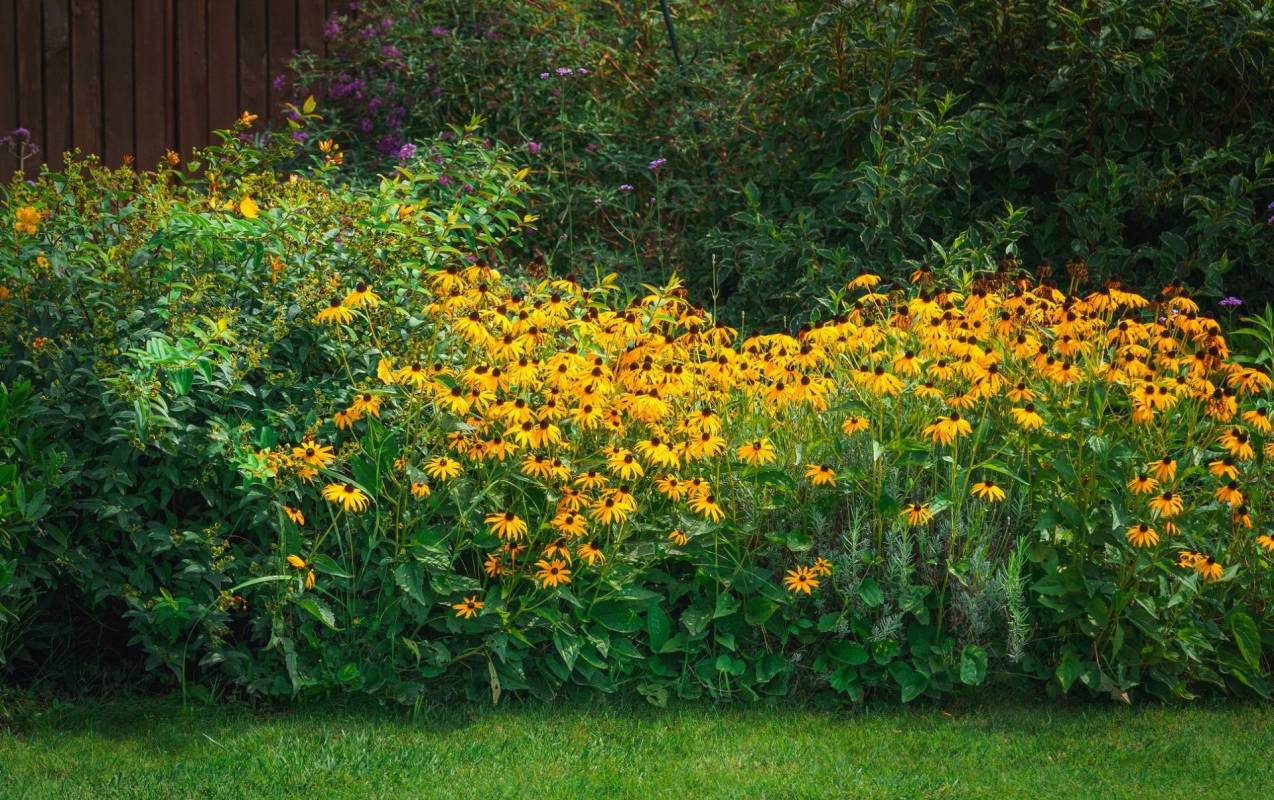
Seeds may be small, but it's taking large-scale efforts to save them. In 2024, the Chicago Botanic Garden took a bold step toward restoring the Midwest's seed supply.
According to Grist and WBEZ, that year the 385-acre garden helped launch the Midwest Native Seed Network, a coalition of organizations and individuals working to safeguard local seeds. Today, the group includes around 300 restoration ecologists, land managers, and seed growers.
Native plants are important because they support ecological stability and biodiversity, protecting against erosion, disease spread, and agricultural collapse. However, in the Midwest — a prime crop-growing region — more than 500 local species are essentially unavailable for restoration, according to a large-scale survey involving more than 50 of the network's partners.
"Climate change is affecting our weather and the frequency of natural disasters," said Kayri Havens, chief scientist at the Chicago Botanic Garden. "Wildfires becoming more common, hurricanes becoming more common — that increases the need for seed."
The seed network is stepping in to increase the availability of native seeds, raise public awareness about the benefits of rewilding, and facilitate research supporting restoration efforts.
"The U.S. does have a major seed bank run by the [Department of Agriculture], and it mostly banks crops," Havens explained to Grist and WBEZ. "But we don't have that kind of infrastructure in place for native seed.
TCD Picks » Quince Spotlight
💡These best-sellers from Quince deliver affordable, sustainable luxury for all




"... If something isn't supported on a national level, then it becomes incumbent on states and regions to do that kind of work."
The Midwest Native Seed Network, which involves 150 institutions across 11 states, is the first of its kind in the region. However, 25 similar coalitions operate across the country, including out West, where more frequent wildfires were part of what spurred people into action.
"One of the reasons why we were among the first is because of this federal land ownership that we have in the West, whereas in the Midwest, it's more private land," said Nevada Native Seed Partnership co-founder Elizabeth Leger, a professor at the University of Nevada, Reno.
Now, the Chicago Botanic Garden's director of restoration, Andrea Kramer, hopes her network will connect growers with native seeds to support green infrastructure and urban gardens.
"I want them to say, 'We have access to all the seed we need,'" Kramer told Grist and WBEZ. "And we can move on to the next challenging question, like, 'Why isn't the seed establishing in my restoration? Or how do we manage the next challenge coming with climate change?'"
|
Which of these savings plans for rooftop solar panels would be most appealing for you?
Click your choice to see results and earn rewards to spend on home upgrades. |
 Save $1,000 this year 💸
Get TCD's free newsletters for easy tips to save more, waste less, and make smarter choices — and earn up to $5,000 toward clean upgrades in TCD's exclusive Rewards Club.







