


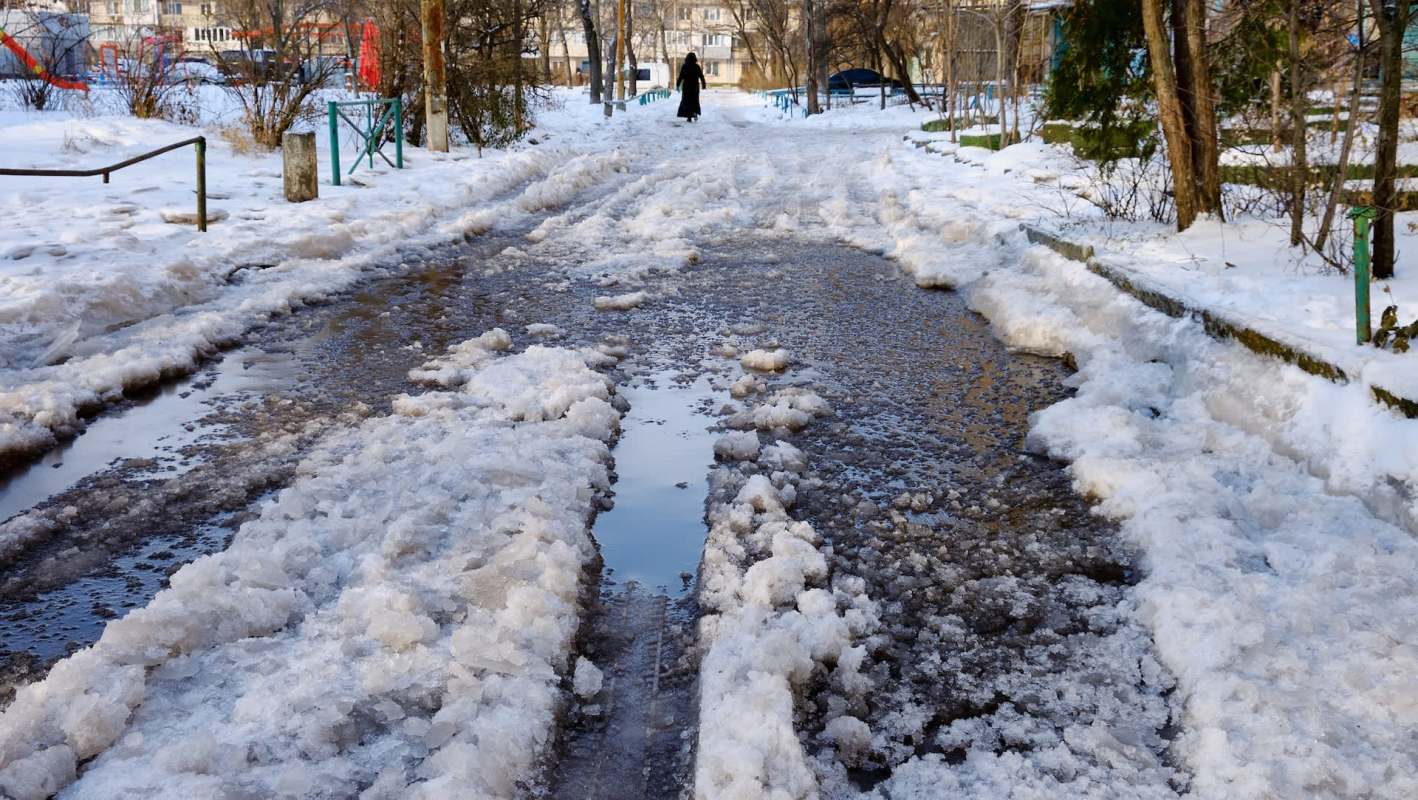
Two short weeks after a massive nor'easter buried Boston under nearly 2 feet of snow, temperatures hovered near 70 degrees.
That break from a sustained snow snap was certainly welcome — but according to WBTS, the rapidly melting snow held some unpleasant secrets.
What's happening?
On Monday and Tuesday, temperatures in Boston ranged in the high 60s to low 70s, threatening to break a record set in 1878.
At the same time, massive snowdrifts left by plow activity in the densely populated city began to melt rapidly, revealing "months of buried trash" everywhere.
NBC10 spoke with resident Chris Brown Silva, who provided a real-time commentary on the varieties of garbage that resurfaced as huge snow piles dwindled.
"That's makeup. There's, like, Amazon packages. There's trash from Burger King," he narrated. Matt Krans said the same of Jamaica Plain.
TCD Picks » Quince Spotlight
💡These best-sellers from Quince deliver affordable, sustainable luxury for all




"We've got shoes here, we've got all kinds of stuff going on," Krans confirmed.
Silva is a longtime resident, yet the sight of snow-buried debris appeared new to him.
"It's just a little shocking to be like, 'Wow, there is a lot of garbage underneath all this," he observed.
New York City residents had similar concerns in late February, after melting snow revealed that many Manhattanites had failed to clean up after their dogs.
|
Which of these savings plans for rooftop solar panels would be most appealing for you?
Click your choice to see results and earn rewards to spend on home upgrades. |
 Save $1,000 this year 💸
 Why is this concerning?
Volatile late-winter temperature swings are an impact of extreme weather, which manifested first as an unprecedented, supercharged nor'easter and then a 73-degree weather Tuesday in Boston.
It's understandable that extreme weather's direct impacts are most noticeable, but Silva's offhand remark about being shocked by garbage concealed under snow underscored the phenomenon's creeping, ambient nature.
Then there was the melting snow itself.
A significant portion of the United States was hit by the late-February snowstorm, and, as Boston showed, the amount of snow it generated lingered for weeks in many places.
As Michigan began to thaw, experts warned that snow is known to absorb environmental contaminants such as road salt, car exhaust, and heavy metals, pollutants that had weeks to accumulate in ice-covered snow.
In addition to releasing significant levels of built-up fumes and chemicals onto solid surfaces, melting snow can dramatically decrease air quality, raising the risk of asthma complications and even heart attacks.
Researchers have called snow a "giant chemical sponge" that also contaminates waterways when pollutant-soaked meltwater drains into them.
What's being done about it?
Researchers are working on less-toxic alternatives to road salt in areas prone to heavy snow.
Boston's street sweeping isn't scheduled to start until April 1, but locals such as Jean Piere Peguero hoped the city would intervene before then.
"The snow is just starting to melt, so I can give them a little grace, but yeah, I feel like, you know, they should start getting on to that soon," he told WBTS.

Get TCD's free newsletters for easy tips to save more, waste less, and make smarter choices — and earn up to $5,000 toward clean upgrades in TCD's exclusive Rewards Club.






