


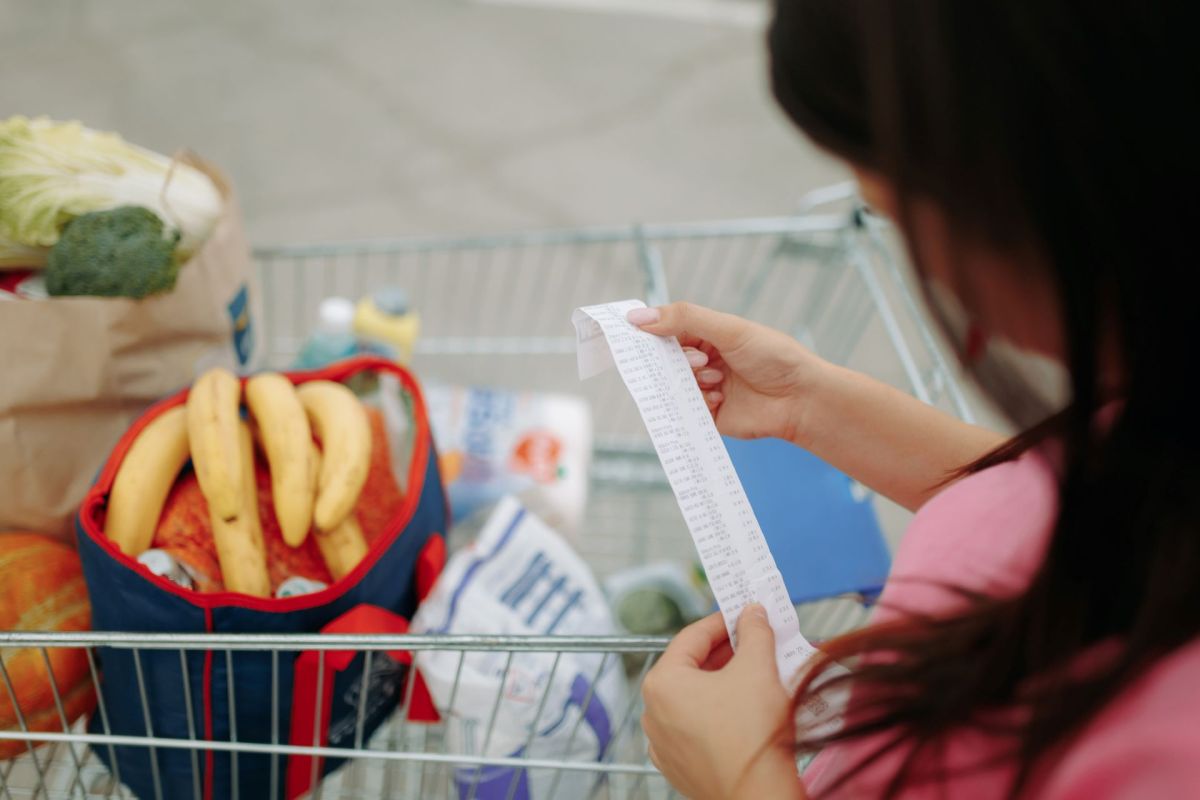
Inflation is running rampant in the United States. USA Today reported that food prices are up nearly 30% since 2019. However, some states have been harder hit than others, and a survey by WalletHub named names, revealing the best and worst states for buying groceries.
What's happening?
The study examined 26 staple grocery items, including popular foods and cleaning supplies. It didn't just tally the cost of these items in each state but compared those costs to the state's median household income.
"While grocery prices have gone up tremendously in recent years, the states in which people spend the greatest percentage of their income on groceries actually aren't those with the highest prices," WalletHub analyst Chip Lupo said. "Instead, the median incomes in these states are quite low, so even with reasonable grocery prices, residents end up shelling out a higher percentage of their earnings than people in states with more expensive products."
He told USA Today that Mississippians' grocery expenses account for "as much as 2.6% of monthly income."
TCD Picks » Martie
💡Martie makes it easy to find quality food at massive discounts while helping to fight food waste





The Magnolia State was the worst state for grocery costs, with West Virginia, Arkansas, Louisiana, and Kentucky in the top five. Alabama, New Mexico, Oklahoma, South Carolina, and Tennessee followed.
At the bottom of the list — the best states to buy groceries in — were Massachusetts, New Jersey, and Maryland. New Hampshire, Utah, Connecticut, Colorado, Virginia, Washington, and California rounded out the top 10.
Why are these results important?
Many of the states where groceries cost a large proportion of income have low median household incomes. People are already struggling, and with costs going up because of extreme weather and crop failures, it is harder than ever for them to meet household budgets.
These recent cost increases have come despite the fact that the U.S. produces much more food than it needs. The Department of Agriculture estimates that 30-40% of the food supply goes to waste every year.
Save $10,000 on solar panels without even sharing your phone number Want to go solar but not sure who to trust? EnergySage has your back with free and transparent quotes from fully vetted providers in your area. To get started, just answer a few questions about your home — no phone number required. Within a day or two, EnergySage will email you the best options for your needs, and their expert advisers can help you compare quotes and pick a winner. Solar panels can save you more than $50k over their 25-year lifespan, and EnergySage can help you save as much as $10k on installation. Which begs the question — isn't that worth an email or two? |

What can I do about expensive groceries?
USA Today made several recommendations for saving on groceries, including shopping with a list and reducing food waste in your kitchen.
You can also reduce your grocery costs using Martie, an online discount food retailer that offers up to 80% off name-brand foods and other household goods.
|
Which of these savings plans for rooftop solar panels would be most appealing for you?
Click your choice to see results and earn rewards to spend on home upgrades. |
 Save $1,000 this year 💸
 Martie has amazing deals because it buys up undamaged, unexpired surplus that suppliers would otherwise send to landfills, preventing unnecessary waste and providing savings for buyers.
Browse its website to find a selection of popular and gourmet options for your kitchen at a fraction of the retail price and have them delivered right to your door.

Get TCD's free newsletters for easy tips to save more, waste less, and make smarter choices — and earn up to $5,000 toward clean upgrades in TCD's exclusive Rewards Club.







