


New analysis from researchers at the University of Exeter and the Carbon Tracker Initiative shows that many economic models used by governments, investors, and financial institutions are understating the economic threat posed by a shifting climate — and that could be shaping dangerously optimistic policy and investment decisions.
What is the economic cost of climate change?
According to a Forbes summary of the report published by the University of Exeter's Green Futures Solutions team, the problem lies in how mainstream economic models treat the warming world. Most rely heavily on projections of global average temperature increases and assume impacts act like small, incremental shocks to the economy.
Under that framework, economies might slow down as temperatures rise — but growth fundamentally continues. The report argues that this assumption doesn't reflect reality.
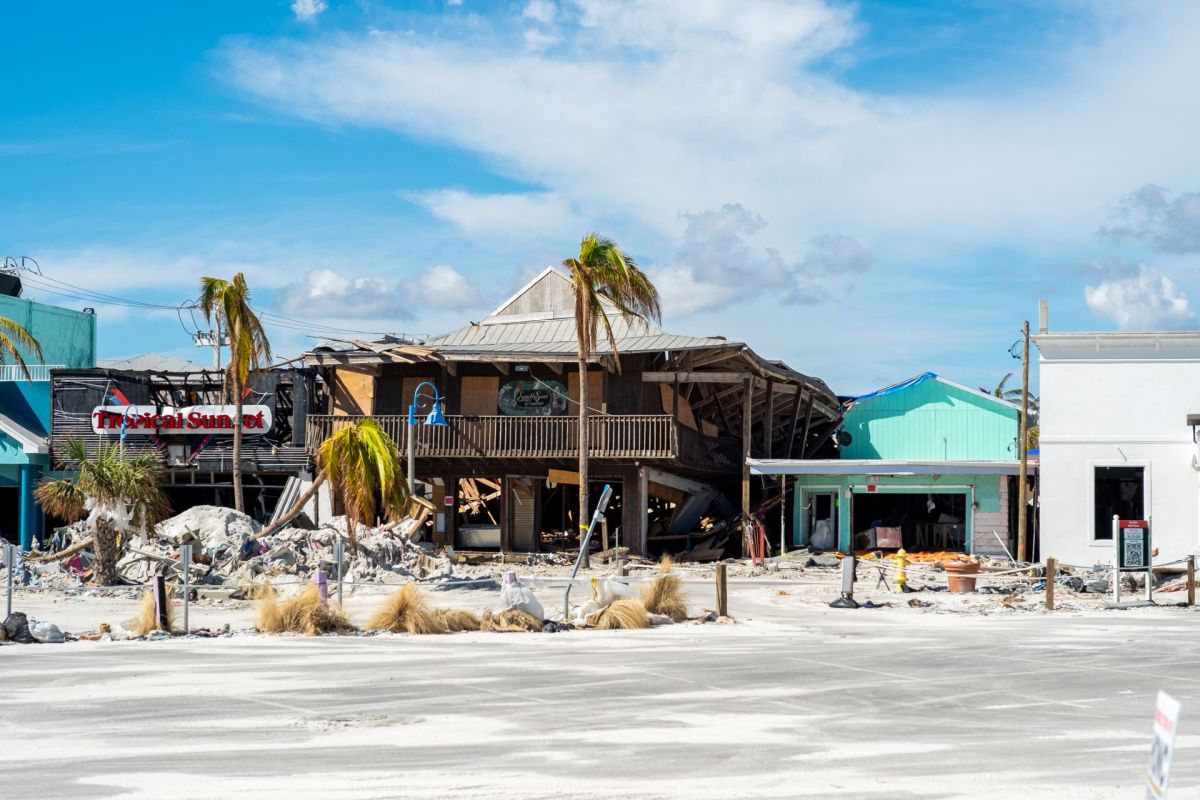
The shifting climate is increasingly driven by compounding extreme weather events, from devastating floods to heat waves and droughts. These disrupt productivity, infrastructure, supply chains, agriculture, and more.
And these impacts don't shave just a percentage off gross domestic product. They can cascade across sectors and regions, triggering systemic economic stress that traditional models fail to capture. One key critique raised by researchers is that using GDP as the main metric for climate costs misses critical harms.
GDP doesn't account for loss of life, displacement, ecosystem degradation, inequality, social disruption, or long-term declines in productivity. In some cases, GDP can even rise after disasters simply due to reconstruction spending — masking real welfare losses.
TCD Picks » Quince Spotlight
💡These best-sellers from Quince deliver affordable, sustainable luxury for all




Why is this important?
The result is what the study calls a miscalibrated climate risk radar. Economic forecasts that policymakers and investors rely on may offer a false sense of security, underestimating the severity and pace of climate impacts. This means delayed action, insufficient investment in adaptation, and underpricing of climate risks across markets, according to the World Economic Forum.
"The core problem is economic models assume the future behaves like the past, just a bit warmer, while climate science shows we are entering a fundamentally new regime of conditions," Jesse Abrams, lead author and senior impact fellow at Green Futures Solutions, told Forbes.
What can be done?
Experts behind the report recommend rethinking how climate risks are modeled. Instead of tying damages only to average temperatures, models should incorporate the nonlinear, compounding, and systemic nature of real-world climate impacts. They also suggest broadening risk assessments beyond GDP, integrating indicators that better reflect human, ecological, and social costs.
If models continue to underestimate the economic impacts of rising temperatures, financial systems and public policy frameworks may fail to prepare for the scale of disruption that rising global temperatures are already unleashing — and for what future warming will bring. Tackling these limitations is key to unlocking more resilient economic planning and accelerating the transition to a low-carbon future.
Even if addressing and preparing for the impacts of a shifting climate is expensive, doing nothing will be far costlier. For example, a report from the University of Cambridge and Boston Consulting Group found that investing just 1-2% of global GDP in climate adaptation by 2100 could prevent a decline in productivity of up to 34%.
|
Which of these savings plans for rooftop solar panels would be most appealing for you?
Click your choice to see results and earn rewards to spend on home upgrades. |
 Save $1,000 this year 💸
Get TCD's free newsletters for easy tips to save more, waste less, and make smarter choices — and earn up to $5,000 toward clean upgrades in TCD's exclusive Rewards Club.






