


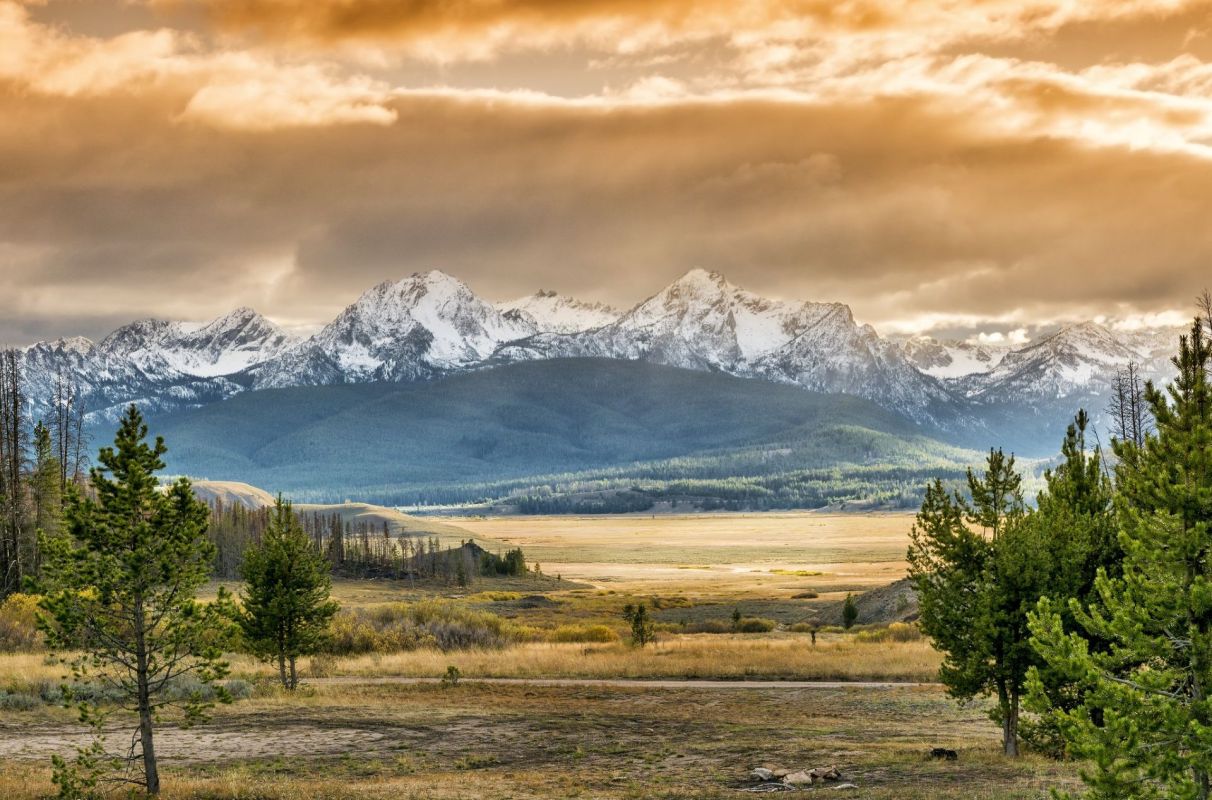
The Gem State is in a critical snow drought, and the consequences could be historic.
What's happening?
Idaho and nearby Washington have experienced a warm winter, and even though there was plenty of wet weather at the end of 2025, it was not the right kind, the Coeur d'Alene Press reported.
"The reason we have this snow drought is not due to a lack of precipitation," Idaho Department of Water Resources hydrologist David Hoekema said. "The real problem is we've had precipitation come in as rain instead of snow."
He likened the issue to North America's worst drought in the last 1,000 years, which was perhaps the nadir of the 1930s Dust Bowl. With spring approaching, there's not much time for Mother Nature to rebound.
"We're very comparable to temperatures from 1934," Hoekema told the Press. "That drought impacted almost the entire United States. This drought is significantly different in the Pacific Northwest in that we had a lot of rain throughout the winter until January."
Why is this important?
Aside from the risk to water supplies, the "wet snow drought" will create drier landscapes than usual as the year moves onward. That means vegetation will be more susceptible to wildfires and tourism concerns for one of the West's most beautiful areas.
TCD Picks » Quince Spotlight
💡These best-sellers from Quince deliver affordable, sustainable luxury for all




Snowpack is also responsible for maintaining hydropower, irrigation, and ecosystem functions into summer, the Press noted. Hoekema told the newspaper that water used for all those purposes could be in short supply during the dog days of August.
Idaho's record warm weather is likely another sign of the changing climate, with global temperatures rising as humans continue to pump heat-trapping pollution into the atmosphere. Across the American West, snowpack is at historical lows. The United States as a whole experienced its hottest and driest winter in at least 45 years.
What's being done about the snow drought?
The solution to slow rising temperatures is to reduce pollution that envelops Earth like a blanket. This will require action from governments and corporations, some of which are working to make a difference.
In the West, ski resorts and even states are turning to cloud seeding to adapt, trying to coax snow out of the sky. But warmer winters will be more common because of rising temperatures, which paradoxically also bring colder winters — or, in other words, more unpredictable weather.
|
Which of these savings plans for rooftop solar panels would be most appealing for you?
Click your choice to see results and earn rewards to spend on home upgrades. |
 Save $1,000 this year 💸
 You can help solve the problem.
Start by educating yourself and others about the changing climate, its causes, and its impacts. Then, take concrete steps to change habits that have negative effects on the planet and its people: Walk places, avoid plastic, and reduce food waste. Go big by installing solar panels or creating a biodiversity hotspot in your backyard.

Get TCD's free newsletters for easy tips to save more, waste less, and make smarter choices — and earn up to $5,000 toward clean upgrades in TCD's exclusive Rewards Club.







