


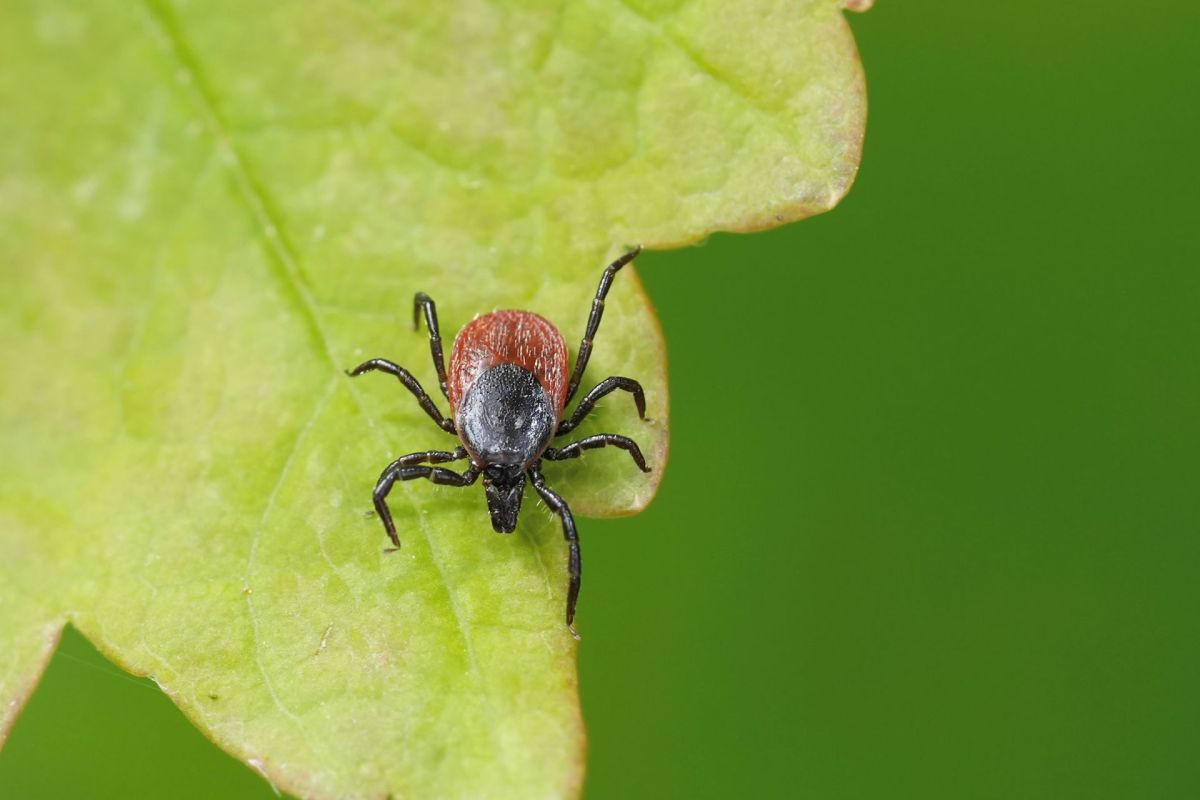
A frigid winter in Maine won't necessarily translate into fewer ticks come spring, experts say.
What's happening?
Though the state faced a particularly cold winter, ticks burrow into the ground to survive, according to the University of Maine Cooperative Extension's Tick Lab and WGME.
Moreover, the lab's director explained that snow acts as insulation.
It would take several weeks of single-digit temperatures without snow cover to significantly reduce tick populations, which he didn't think had happened yet. However, the story noted that a colder spring can delay the emergence of ticks.
Maine also experienced a drought last summer, a factor that can slow ticks down during the season.
However, the lab told WGME that the drought did not occur during a critical time in this arachnid's life cycle.
TCD Picks » Quince Spotlight
💡These best-sellers from Quince deliver affordable, sustainable luxury for all




"Unfortunately, the time a drought would most affect ticks would be spring and early summer, which have been rather wet for us the last few years, and looking that way again this year," a WGME reader commented.
"[This] is a catch-22 for us because we are still in a drought, and a dry start to the year this year would be catastrophic."
Why is this concerning?
Parts of Maine have been particularly hard hit by tick-borne diseases in recent years.
In fact, the town of Islesboro reported over 4,000 cases per 100,000 residents between 2018 and 2022, and locals have become accustomed to dealing with Lyme disease.
|
Which of these savings plans for rooftop solar panels would be most appealing for you?
Click your choice to see results and earn rewards to spend on home upgrades. |
 Save $1,000 this year 💸
 At the same time, other parts of North America are seeing an uptick in disease-carrying tick species due to higher average temperatures, which are helping them survive longer seasons and expand into new regions.
One example of this is a two-fold increase in Lyme disease risk in the Canadian province of Quebec between 2000 and 2015.
Meanwhile, Manitoba's risk tripled in the same time span.
What's being done about it?
The commenter who described the situation as "a catch-22" recommended maintaining and raking backyards, especially in the fall, as fallen leaves provide burrowing insulation for ticks.
Meanwhile, the Centers for Disease Control advised staying near the middle of trails and wearing long clothing when spending time outside to limit tick bites.
The agency also recommended spraying gear and clothing with an insecticide that includes 0.5% permethrin.
A new tick-repelling drug, similar to the chewable tablets given to dogs, might soon be an option to reduce exposure to vector-borne illnesses.

Get TCD's free newsletters for easy tips to save more, waste less, and make smarter choices — and earn up to $5,000 toward clean upgrades in TCD's exclusive Rewards Club.







