


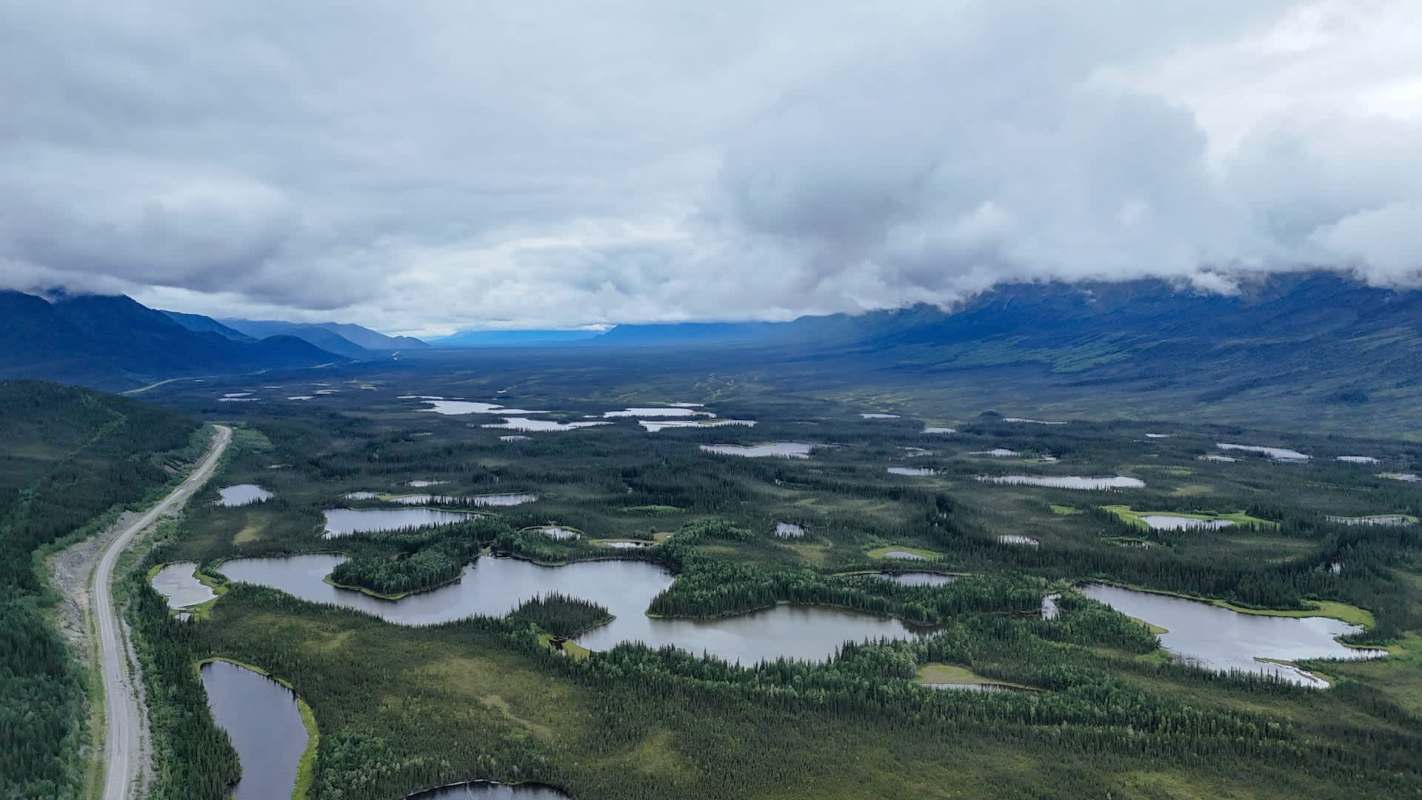
The current administration has proposed dramatic changes to the scope of protections under the Clean Water Act, potentially leaving 80% of wetlands in the United States unprotected, according to an analysis by the Environmental Protection Agency.
What's happening?
For more than half a century, the Clean Water Act has been the centerpiece of federal protections governing the waters of the United States. The law has been vital in maintaining public health and a clean environment.
The act purports to protect "the waters of the United States," and, over time, the definition of what constitutes those waters has changed dramatically.
Under a proposed rule issued by the EPA, the current administration has sought to rein in that definition significantly, meaning that the Clean Water Act would apply in far fewer areas, according to IPM News.
While those in favor of the change say that the new rule would help farmers and industries, opponents have argued that the changes would remove important protections that keep waterways safe and healthy.
"Our municipality has worked to restore some wetlands and native plantings to help mitigate flooding that's happening in the urban setting," said Crystal Brown, executive director of the Clean Water Action Council of Northeast Wisconsin, per IPM News. "This (ruling) is totally counter to what we're trying to do here as a community."
TCD Picks » Quince Spotlight
💡These best-sellers from Quince deliver affordable, sustainable luxury for all




Why do the proposed rule changes matter?
Environmental Law & Policy Center Nancy Stoner said, "Water flows downhill, so if you don't protect the headwaters, you're not going to be protecting even the perennial streams that they flow into. And wetlands are valuable. They are tremendously valuable for pollution filtration, for flood retention, for climate change mitigation, as well as for wildlife habitat. Everyone benefits from those values."
For decades, the government agencies and officials tasked with enforcing the Clean Water Act have interpreted the meaning of "the waters of the United States" broadly. Because waterways are interconnected, pollution in one area can quickly spread throughout an entire water system.
Therefore, removing protections in just some places can lead to contaminated, less healthy water everywhere.
"If you went back to the members of Congress from 1972 and you said, 'We just decided that most of the waters in the United States are actually not protected by the Clean Water Act,' I think they would be appalled," said Nancy Stoner, senior attorney at the Environmental Law & Policy Center, according to IPM News.
|
Which of these savings plans for rooftop solar panels would be most appealing for you?
Click your choice to see results and earn rewards to spend on home upgrades. |
 Save $1,000 this year 💸
 "They thought they were doing something that was really going to help ensure we had clean, safe water for generations to come," Stoner continued.
What's being done about the proposed rule change?
Environmental advocates across the U.S. have mobilized to push back against the proposed rule change. By raising public awareness of the change's potential impact, opponents of the proposed rule have sought to increase pressure on policymakers.
Meanwhile, officials and advocates can still take steps to protect waterways at the state and local levels.
Water pollution might seem like an abstract concept until it strikes close to home. For example, in Georgia, a fuel spill prompted local officials to call on residents to avoid drinking tap water. This situation highlighted just how fragile our water supplies truly are.

Get TCD's free newsletters for easy tips to save more, waste less, and make smarter choices — and earn up to $5,000 toward clean upgrades in TCD's exclusive Rewards Club.






