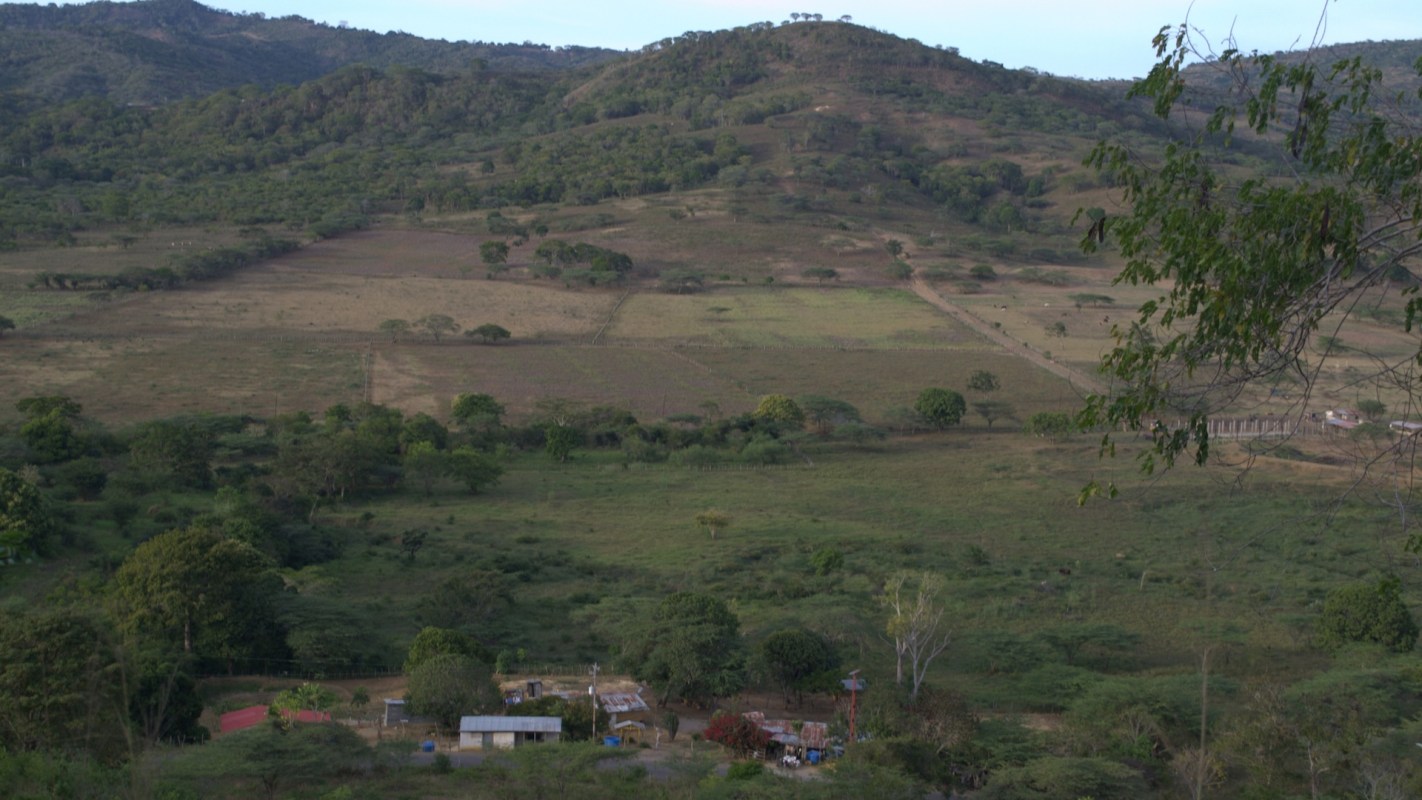
Resource extraction has spurred a wave of violence across Venezuela, according to a new study by Global Witness.
What's happening?
An exploding demand for raw materials has driven extreme levels of exploitation.
Oil extraction in Venezuela's western state of Zulia and gold mining in the southern Amazonas region have been propped up by corrupt military officials and gangs willing to extort and intimidate locals in order to maintain control of resources.
Fifty-eight cases of violence since 2020 have been tied directly to the mining industry, according to the Armed Conflict Location and Event Data Project.
Meanwhile, Colombian rebel group the National Liberation Army has engaged in over 100 violent acts in Venezuela in the same time frame while also sabotaging oil pipelines within Colombia.
By Global Witness' count in its Feb. 26 report, 23 environmental defenders were killed between 2012 and 2024, but researchers anticipated that actual figures were far higher than those they could confirm.
TCD Picks » Quince Spotlight
💡These best-sellers from Quince deliver affordable, sustainable luxury for all




According to Global Witness, a forestry official admitted in 2023 that "[everyone turns] a blind eye" to illegal resource extraction due to a lucrative system of bribery.
Why is resource extraction concerning?
Besides the obvious humanitarian costs of violence, both oil extraction and gold mining create significant environmental hazards.
Oil production generates methane, while its end use generates carbon dioxide, both of which trap heat in the atmosphere and exacerbate destructive weather patterns.
The costs of mining gold and other critical minerals are more localized.
TCD Picks » Quince Spotlight
💡These best-sellers from Quince deliver affordable, sustainable luxury for all
|
Which of these savings plans for rooftop solar panels would be most appealing for you?
Click your choice to see results and earn rewards to spend on home upgrades. |
 Save $1,000 this year 💸
 Runoff pollutes waterways, which affects nearby agriculture and ecosystems. Management of these mining operations can often get messy.
This extraction is complicated by the need for minerals such as lithium, nickel, and copper for battery production — vital inputs for continued electrification and decarbonization of the energy and transportation sectors.
What's being done about resource-based violence in Venezuela?
The United States' recent incursion into Venezuela has opened the door to American companies securing resources in the country.
The U.S. government is even mulling the idea of paying private military contractors to defend oil infrastructure in Venezuela, despite the industry's lukewarm interest in the country's reserves.
People can do their part by using fewer petroleum-based products day to day, which helps diminish the economic incentives driving such extremes to access these commodities.
Switching to an EV and using less plastic are two effective ways to rely less on fossil fuels.

Get TCD's free newsletters for easy tips to save more, waste less, and make smarter choices — and earn up to $5,000 toward clean upgrades in TCD's exclusive Rewards Club.