


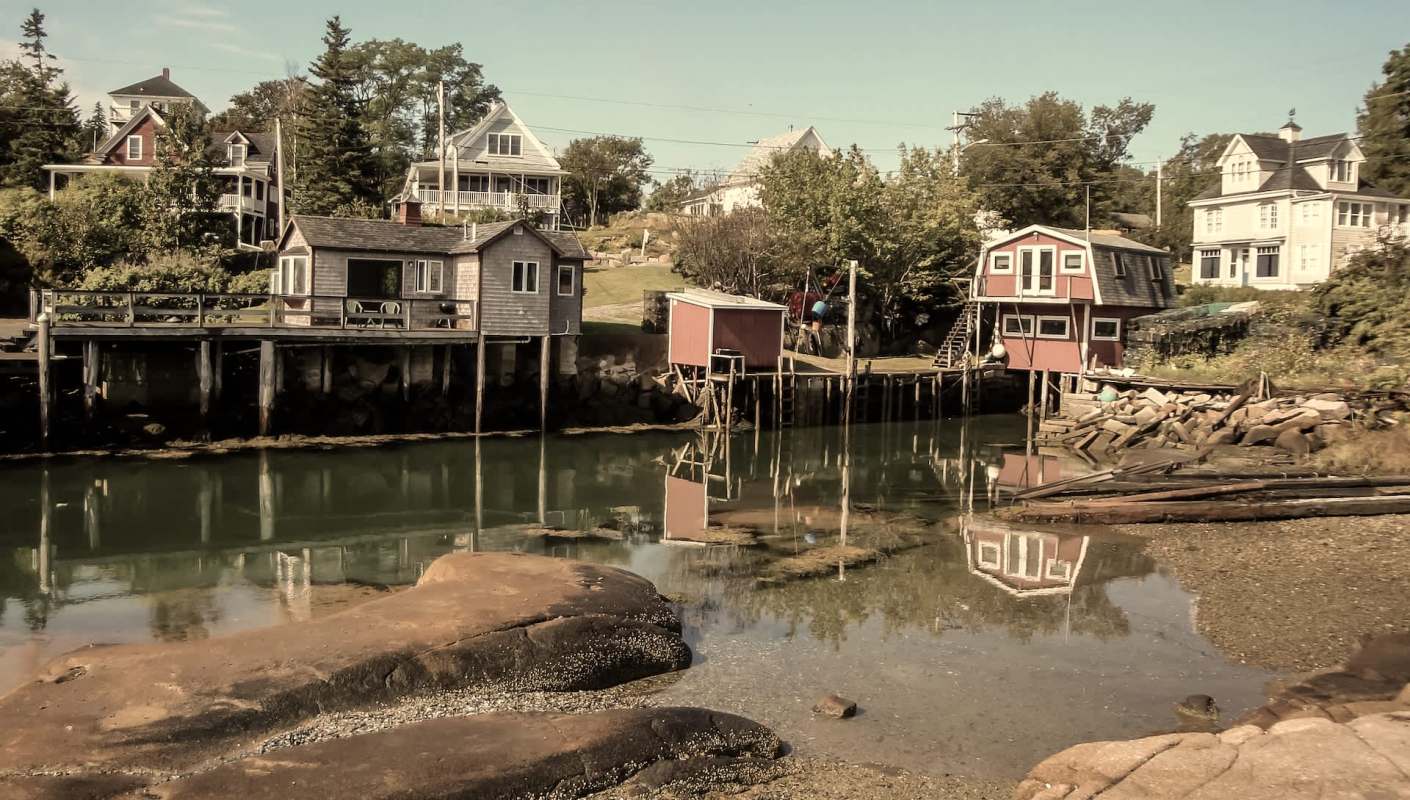
Thanks to accelerating sea level rise and proliferating extreme weather events, residents of coastal towns in Hancock County, Maine, are struggling to protect their infrastructure from devastation.
What's happening?
Over the past year, the rising frequency and intensity of storms in Hancock County have led to major road closures and blockages, especially in coastal communities, according to the Bangor Daily News.
In particular, high flooding in January 2024 led to the temporary closure of the Deer Isle Causeway — the only road connecting Deer Isle and Stonington to the Maine mainland across the water.
Unfortunately, small towns like these face substantial financial challenges when it comes to funding repairs or more durable infrastructure. Especially now that the federal government under President Trump has begun to reduce funding for climate adaptation, costs for affected towns in Hancock County are higher than ever.
Why are road closures concerning?
Just as the Deer Isle Causeway is the only link between the mainland and various smaller island towns, many coastal roads in Surry, Gouldsboro, and the Castine Peninsula are the primary or perhaps only way for residents to access centralized emergency services.
In extreme scenarios, the isolation of these residents from crucial services may leave them stranded, without power, or even critically injured.
TCD Picks » Quince Spotlight
💡These best-sellers from Quince deliver affordable, sustainable luxury for all




With the global pollution problem ongoing and amplifying, the heat trapped in the Earth's atmosphere is accelerating ice melt in the Arctic and Antarctic, which in turn supercharges flooding and other natural disasters by driving up sea levels and moisture content in coastal winds.
In short, extreme weather concerns may worsen from here, and essential infrastructure is at dire risk.
What's being done to protect infrastructure?
Although investing in lasting, climate-adapted infrastructure no doubt takes a financial toll, funding efforts are still underway, especially in Surry, Deer Isle, and Gouldsboro, per the Bangor Daily News.
Meanwhile, cleanup efforts and other large-scale endeavors to cut down on carbon pollution and mitigate rising global temperatures can go a long way in keeping extreme weather manageable.
|
Which of these savings plans for rooftop solar panels would be most appealing for you?
Click your choice to see results and speak your mind. |
 Save $1,000 this year 💸
 "We have to do something, and we can't wait forever," stressed Surry resident Mary Allen.
Meanwhile, those in at-risk regions — in Maine and elsewhere — can take steps to make their homes more resilient in the event of an emergency power shutdown. Pairing home solar panels with a battery storage system, for instance, can keep the lights on even when the local grid collapses.
Check out The Cool Down's Solar Explorer tool if you're interested in looking into solar-based home energy resilience. With trusted partners like EnergySage, you can connect with vetted installers and save up to $10,000 on the process.

Get TCD's free newsletters for easy tips to save more, waste less, and make smarter choices — and earn up to $5,000 toward clean upgrades in TCD's exclusive Rewards Club.







