


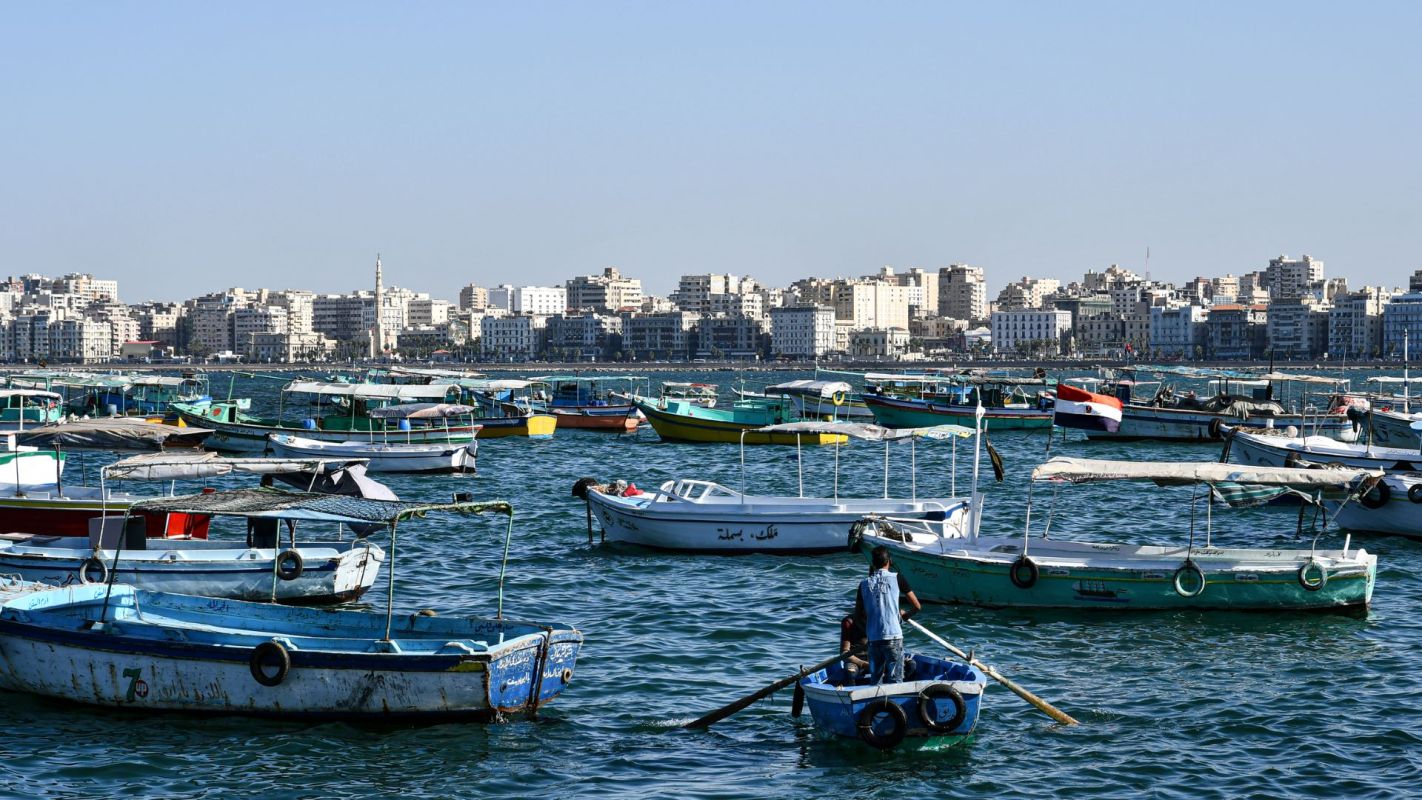
One of Egypt's ancient cities is experiencing increasingly frequent and severe extreme weather, highlighting the perils of the changing climate now and in the future.
What's happening?
Alexandria is hemmed in by the rising Mediterranean Sea and the Nile River Delta, and three-meter (9.8-foot) waves inundated cafes and restaurants on the beachfront in mid-February, The New Arab reported. The event is just the latest in a series of disasters in the low-lying metropolis, where heavy rains and floods have wreaked havoc over the last decade.
The Egyptian Meteorological Authority issued warnings for the Bride of the Mediterranean and other coastal cities due to the waves.
"While recurrent at this time each year, the intensity of the waves is unprecedented, turning climate change debates into a hot issue among ordinary people, from a mere scientific phenomenon they used to hear about in news bulletins or in discussion forums held by the cultural elite," The New Arab stated.
Why is this important?
Residents spoke of "drowning" and calamity on social media, as the outlet noted. "The disaster everybody overlooks: The Alexandria coast is being eroded; the sea seeps into the beach; all beach facilities are prone to submersion; and we are all headed toward destruction full sail," one said.
Even though it is not among the world's top per-capita polluters, Egypt is particularly susceptible to the effects of the resulting rising temperatures, as Houssam Muharram, a former adviser to the Egyptian minister of environmental affairs, told The New Arab. Social and economic problems could include food and water insecurity, displaced residents, and damaged buildings and infrastructure, and the already apparent consequences will only get worse.
TCD Picks » Quince Spotlight
💡These best-sellers from Quince deliver affordable, sustainable luxury for all




"This causes people living in these buildings to view proximity to the sea as a curse rather than a blessing, as it was many decades ago," The New Arab said, referencing the recent waves and the impact they had on properties.
What's being done about sea-level rise in Alexandria?
The country has spent "substantial sums" on mitigation measures, the publication stated, namely concrete blocks that ward off waves, beach restoration projects, and shoreline strengthening efforts. In the face of sea-level rise, the Nile's diminishing sediment deposits, and more powerful storms — resulting in 3.5 meters (11.5 feet) of coastal erosion per year over the last two decades — the government reportedly plans to "adapt to the effects of climate change until 2050."
In the long term, municipalities, countries, and corporations must stop burning fossil fuels for energy, as using gas, oil, and coal produces enormous amounts of air pollution that traps heat in the atmosphere and drives the unprecedented rise in Earth's temperatures, which are the root of these issues around the globe.
At home, you can make similar changes, installing solar panels and using clean modes of transportation, for example. Even planting native species in your yard helps, as does shopping at thrift stores. Big changes require collective work but ensure a cleaner, cooler future.
|
Which of these savings plans for rooftop solar panels would be most appealing for you?
Click your choice to see results and speak your mind. |
 Save $1,000 this year 💸
Get TCD's free newsletters for easy tips to save more, waste less, and make smarter choices — and earn up to $5,000 toward clean upgrades in TCD's exclusive Rewards Club.







