


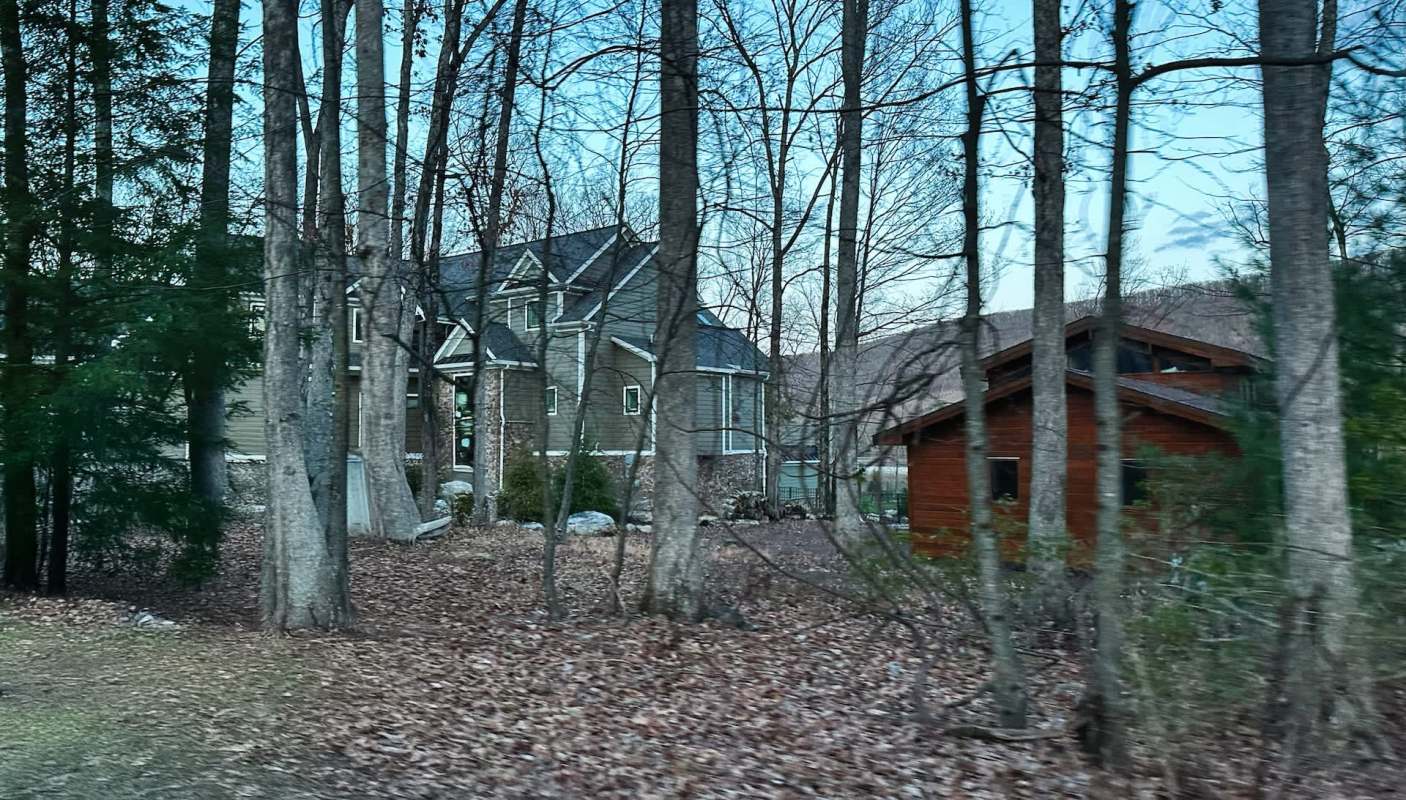
A homeowner sparked an important discussion about generator safety after posting a photo of their hazardous setup.
The image showed their new generator — which they'd purchased for an upcoming winter storm — chained to a post in their carport. The poster said the exhaust was pointing out, but the generator was still dangerously close to their home.
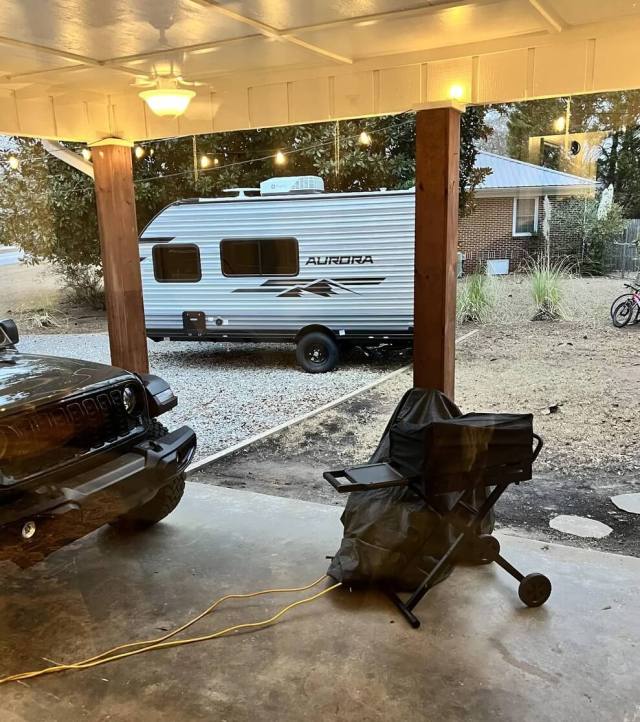
"Too risky?" they asked the r/Generator subreddit.
One person offered blunt advice, writing, "Dude it's literally called the silent killer."
The commenter was right, as carbon monoxide poisoning from portable generators kills nearly 100 Americans each year, according to the Safety and Health Magazine. But even without the risk of CO poisoning, generators come with other downsides, including the fact that they run on natural gas, petroleum, or diesel, all of which are highly polluting and linked to planetary warming and health problems.
That's why more homeowners are choosing backup batteries during outages or storms, which store power from the grid or solar panels and pose no risk of carbon monoxide-related illnesses. Not to mention, a solar-and-battery setup can help homeowners save significantly on energy bills and gain independence from the grid.
If you're interested in learning more about home battery storage options, EnergySage's free tools can help you find the right system and installer for your needs and get competitive estimates.
EnergySage has partnered with the electrification company Qmerit to guarantee you get the best price on a home battery system.
Crushed by your bills? See instant solar savings from vetted installers in just a few clicks With energy prices through the roof, there's never been a better time to go solar — and EasyHome can help you find the best prices from the best installers in your area. EasyHome takes the guesswork and headaches out of energy upgrades by showing you estimated savings from a network of vetted local partners. To get started, just enter your ZIP and share a few details about your home — seeing your estimate is really that easy. |

Another great option is Pila, a startup that offers plug-and-play modular home battery systems designed for homeowners, renters, and apartment dwellers. It's a great choice for those who want the benefits of battery storage without the need for expensive, complex, or permanent electrical installations — and you'll only pay a fraction of what traditional battery systems cost.
Another commenter offered wise advice: "Generators must be at least 20 feet from your home to prevent carbon monoxide poisoning."
|
Which of these savings plans for rooftop solar panels would be most appealing for you?
Click your choice to see results and speak your mind. |
 Save $1,000 this year 💸
 "Edit: Carbon monoxide doesn't rise or fall from the source," they added. "It mixes with the air, and unless there is wind or a breeze, carbon monoxide will remain and build up in the area where it was generated."
"I don't think the concern is so much CO in this setup as fire and proximity to your house," said another. "In my setup, I'm running propane so no worries about spills or leaks since there's plenty of air mixing."

Get TCD's free newsletters for easy tips to save more, waste less, and make smarter choices — and earn up to $5,000 toward clean upgrades in TCD's exclusive Rewards Club.






