


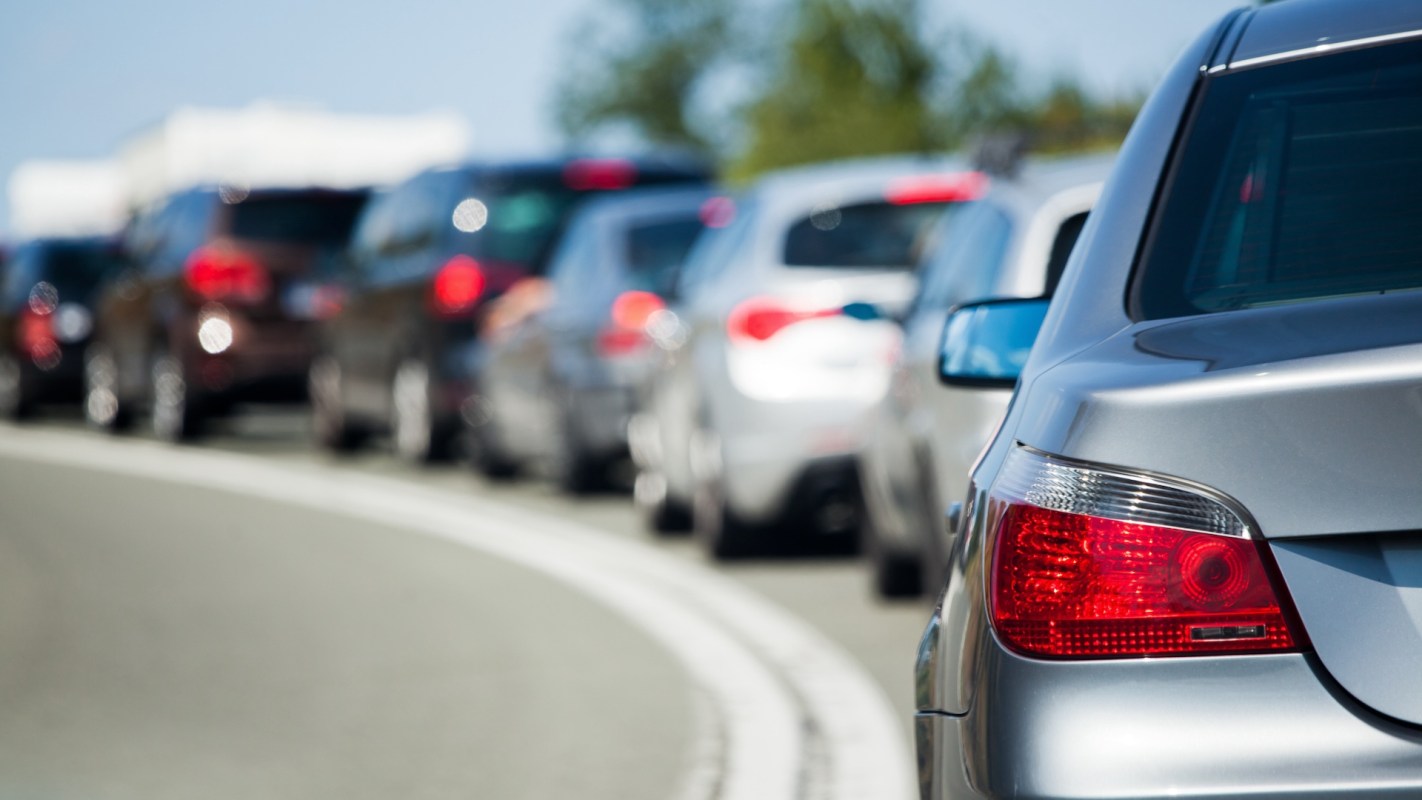
In February, the U.S. Environmental Protection Agency issued a major blow to start-stop technology, which reduces harmful pollution by automatically turning off a car's engine when it comes to a halt.
What's happening?
Since 2012, the U.S. Environmental Protection Agency has offered a credit to automakers who install certain pollution-reduction technology — including the start-stop feature — in new cars.
However, in 2026, the EPA reversed course, eliminating the incentive altogether, the New York Times reported.
The start-stop feature improved fuel efficiency by up to 26.4%, according to one study from SAE International.
The loosening of pollution regulations could lead some automakers to stop installing start-stop features on new cars, making the vehicles less efficient and increasing the amount of money drivers will have to spend on gas.
Why is fuel efficiency important?
Aside from electric vehicles, most cars are directly powered by fuels that produce air pollution.
TCD Picks » Quince Spotlight
💡These best-sellers from Quince deliver affordable, sustainable luxury for all




Cars are a major reason the transportation sector is the largest contributor to the United States' heat-trapping emissions, according to the EPA. In 2022, passenger cars accounted for 20% of transportation sector pollution in the U.S.; light-duty trucks, such as SUVs and minivans, were responsible for 37%.
The more efficient cars are, the less they contribute to the warming of our planet. However, automakers have historically developed fuel-saving technologies in response to environmental regulations. Without pressure from the EPA, car-makers are free to eliminate fuel-efficient features like start-stop.
What can I do to reduce vehicle pollution?
While driving an EV is the most energy-efficient way to get around by car, you don't need to purchase a new vehicle to start limiting your personal contribution to asthma-linked air pollution. Traveling by public transit or bicycle whenever possible is not only good for the environment, but it can also help you save hundreds of dollars a year on fuel.
For those trips where a car is essential, simply learning to drive as efficiently as possible can help cut down on how frequently you need to refuel.
|
Which of these savings plans for rooftop solar panels would be most appealing for you?
Click your choice to see results and speak your mind. |
 Save $1,000 this year 💸
Get TCD's free newsletters for easy tips to save more, waste less, and make smarter choices — and earn up to $5,000 toward clean upgrades in TCD's exclusive Rewards Club.







