


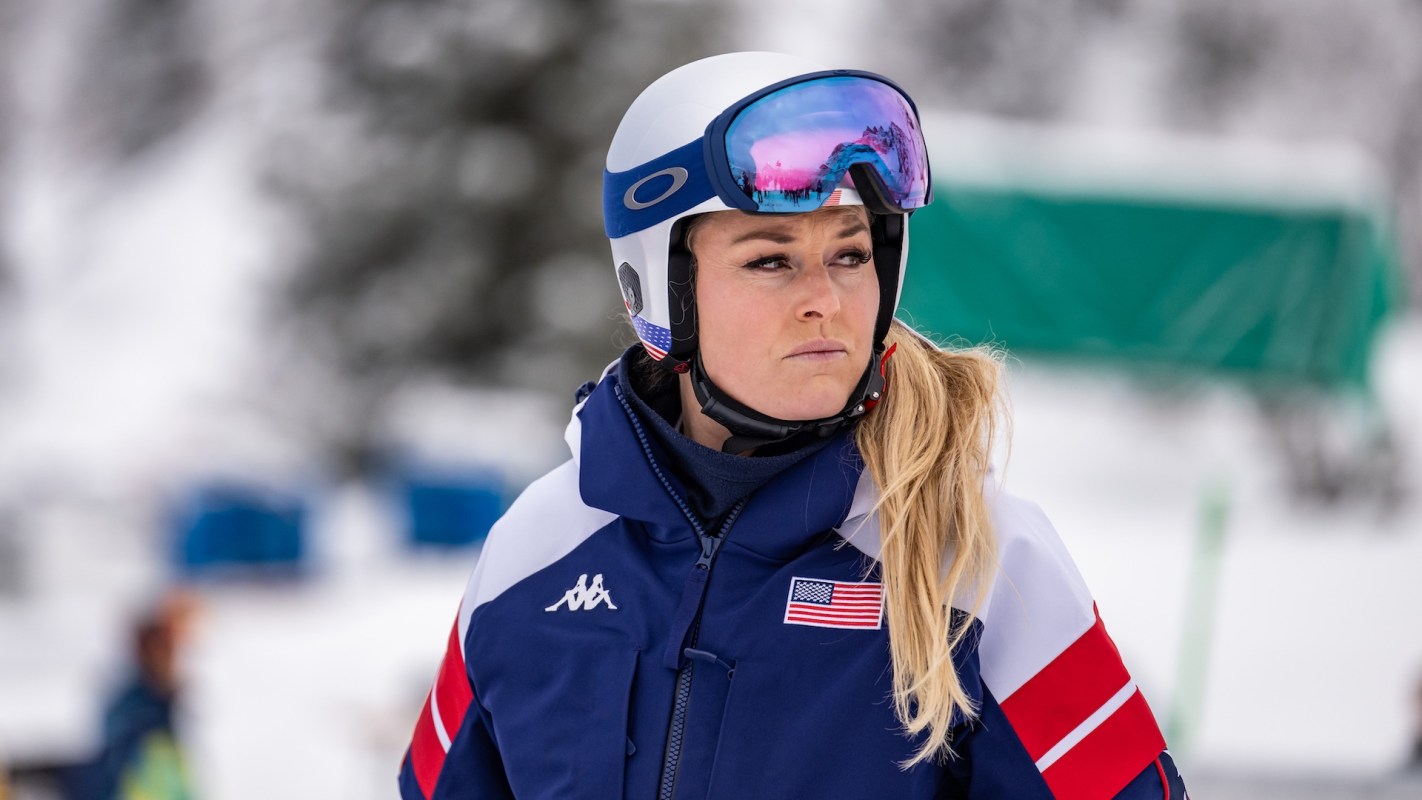
As the 2026 Winter Olympics drew to a close in Milan and Cortina, athletes used their platform to raise awareness of a crucial global issue affecting our warming planet.
What's happening?
According to the Associated Press, American skiers Lindsey Vonn and Mikaela Shiffrin, as well as Italian skier Federica Brignone, spoke out about the rapidly melting glacial ice in the Alps and other mountain ranges around the world.
"Most of the glaciers that I used to ski on are pretty much gone," 41-year-old Vonn said on February 3 at a prerace press conference in Cortina, per the AP. "So that's very real and it's very apparent to us."
These Olympics highlighted the issue at hand: Cortina is a town that has historically been surrounded by glacier-capped mountains visible from the city. However, during this year's Olympics, it was clear that the glaciers on most of the mountains had shrunk massively from years past.
Another athlete, Team USA skier AJ Hurt, shared concerns regarding the start of the season in October in Sölden, Austria.
"Every year, I feel like we come and there's a little less snow. And every time, we're like, are we really going to start in October? There's no snow here," Hurt told the AP. "It is really sad and it's hard to ignore in this sport, definitely, when we're around it so much and it is so clear."
TCD Picks » Quince Spotlight
💡These best-sellers from Quince deliver affordable, sustainable luxury for all




Why is the loss of glaciers important?
For Olympic fans, the loss of glaciers has a direct impact: as temperatures warm and glaciers melt faster, there is less snow to be used for sports like skiing and snowboarding, while outdoor ice sports like bobsled, luge, and skeleton are tougher and tougher to host because of a lack of freezing temperatures to get the tracks set.
According to a World Economic Forum report, only 10 countries will be able to host the Winter Olympics and Paralympics by 2050 due to reduced snowfall and warming temperatures.
But the impact of melting glaciers extends beyond just sports. Glacial melt can lead to landslides and avalanches, causing death and destruction. It can lead to widespread flooding and long-term environmental issues, and the lack of glacial presence can further exacerbate the lack of rain and snow, as there's less water to return to the water table to produce precipitation, creating a feedback loop that compounds the problem.
Excessive ice melt can also contribute to rising sea levels, endangering coastal communities, and it can enhance the spread of disease while reducing seafood stocks.
|
Which of these savings plans for rooftop solar panels would be most appealing for you?
Click your choice to see results and speak your mind. |
 Save $1,000 this year 💸
 What's being done about glacial loss?
The University of Innsbruck in Austria has created the Goodbye Glaciers Project to help educate the public about the risks posed by the disappearance of glaciers. Meanwhile, ski resorts and towns have created Mountain Towns 2030 to push climate-friendly legislation to help protect themselves from further glacial melt.
But, as American skier River Radamus noted, it's winter athletes who are some of the first to bear witness to the consequences of our warming planet.
"It's always present in our mind that we're on a dangerous trend unless we do something right," Radamus said, per the AP.

Get TCD's free newsletters for easy tips to save more, waste less, and make smarter choices — and earn up to $5,000 toward clean upgrades in TCD's exclusive Rewards Club.







