


Sea-level rise is real, and something must be done about it — that's what the majority of Hawai'i residents responding to a statewide survey recently indicated. About 83% also said they believe rising sea levels will have catastrophic consequences in the next 50 years.
What's happening?
The Honolulu Star-Advertiser reported on the results of a survey conducted by researchers at the University of Hawai'i Economic Research Organization.
Of the 1,300 respondents across the state, around 90% believed sea-level rise was happening, and 87% said that human activity plays a role.
As for the long-term impact, 83% of respondents agreed that there would be catastrophic effects within the next five decades, effects that the state and counties may not be ready for. This is likely why 88% of the respondents said they want lawmakers to take action now.
"We also hope that the policymakers themselves will read the survey and see people are concerned and that they need to be raising the issue on their policy agenda as a priority," Ketty Loeb, co-author of the study and assistant professor at the University of Hawai'i, told the Star-Advertiser.
Why is this concerning?
Sea-level rise puts coastal communities at risk of increased flooding, erosion, and other impacts.
TCD Picks » Quince Spotlight
💡These best-sellers from Quince deliver affordable, sustainable luxury for all




If the current accelerated rate of global sea-level rise continues, levels will increase by more than 16.9 centimeters over the next 30 years, according to findings from the National Aeronautics and Space Administration.
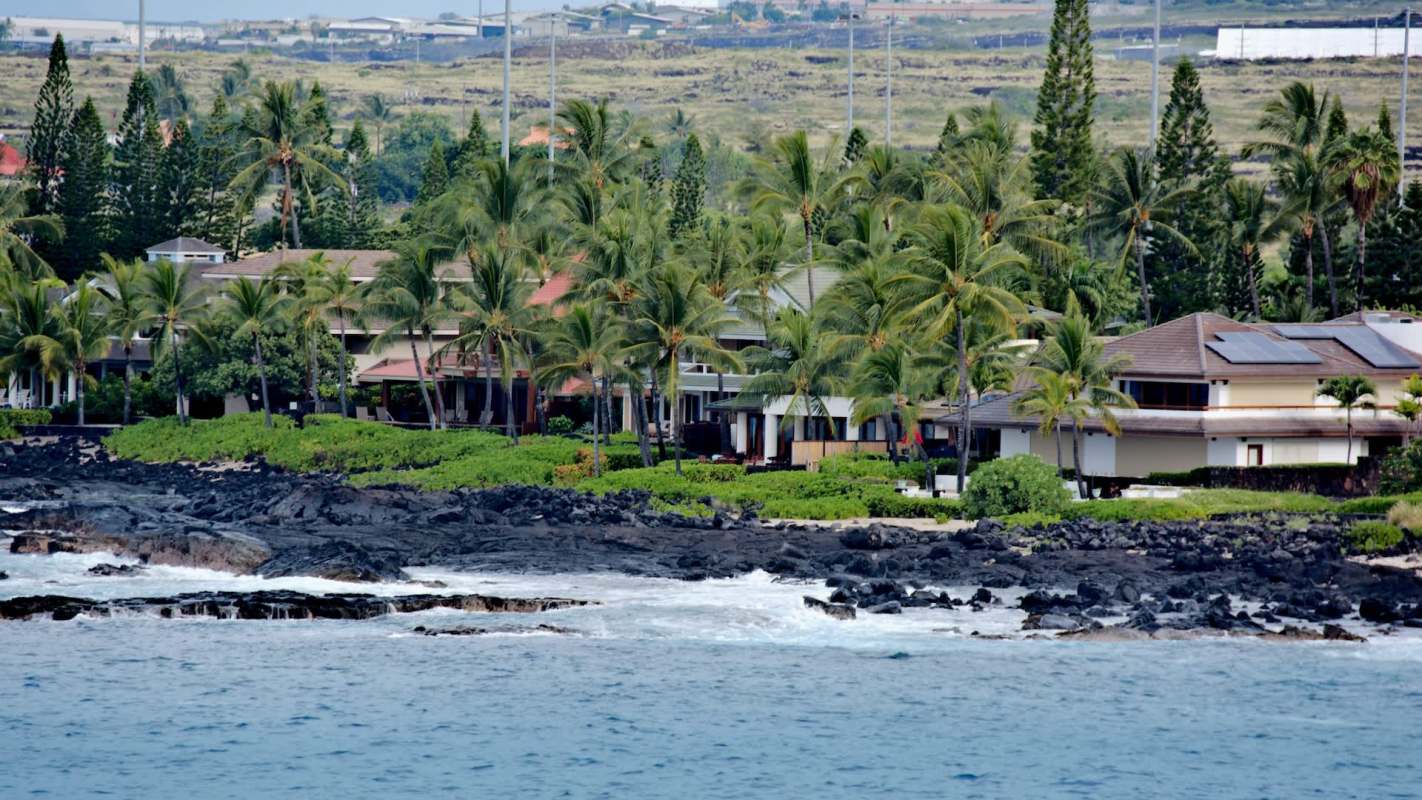
In Hawai'i, the risks are immediate. Sea levels in the region have already risen by five inches since 1970, according to data from the Climate Change Portal. High-tide flooding in coastal communities has become wider and more frequent. Some beaches that used to be dry are now chronically underwater.
If NASA's projected trends continue, more communities in low-lying areas like Waikiki could be inundated — damaging infrastructure, disrupting livelihoods, destroying habitats, and putting tens of thousands of people at risk.
What's being done about it?
There's strong public support for solutions, and Hawai'i residents appear ready for bold ones — some even suggesting a willingness to relocate from high-risk areas.
|
Which of these savings plans for rooftop solar panels would be most appealing for you?
Click your choice to see results and speak your mind. |
 Save $1,000 this year 💸
 One solution to mitigate sea-level rise is to reduce the human activities that produce pollution and fuel the problem. Burning coal, oil, and gas contributes to the rising global temperatures that melt glaciers and, in turn, raise sea levels.
As significant as human activity is in driving sea-level rise, it can also slow it. Individuals can take practical steps, such as switching to electric vehicles, installing home solar, reducing plastic use, conserving energy, and supporting policies that protect the environment.
Residents exploring critical environmental issues and pushing for systemic solutions can help communities respond to future challenges. This new survey makes it clear that residents of Hawai'i recognize the serious risks posed by sea-level rise. Greater global awareness of these risks is also important.
The next challenge is to turn that awareness into action.

Get TCD's free newsletters for easy tips to save more, waste less, and make smarter choices — and earn up to $5,000 toward clean upgrades in TCD's exclusive Rewards Club.







