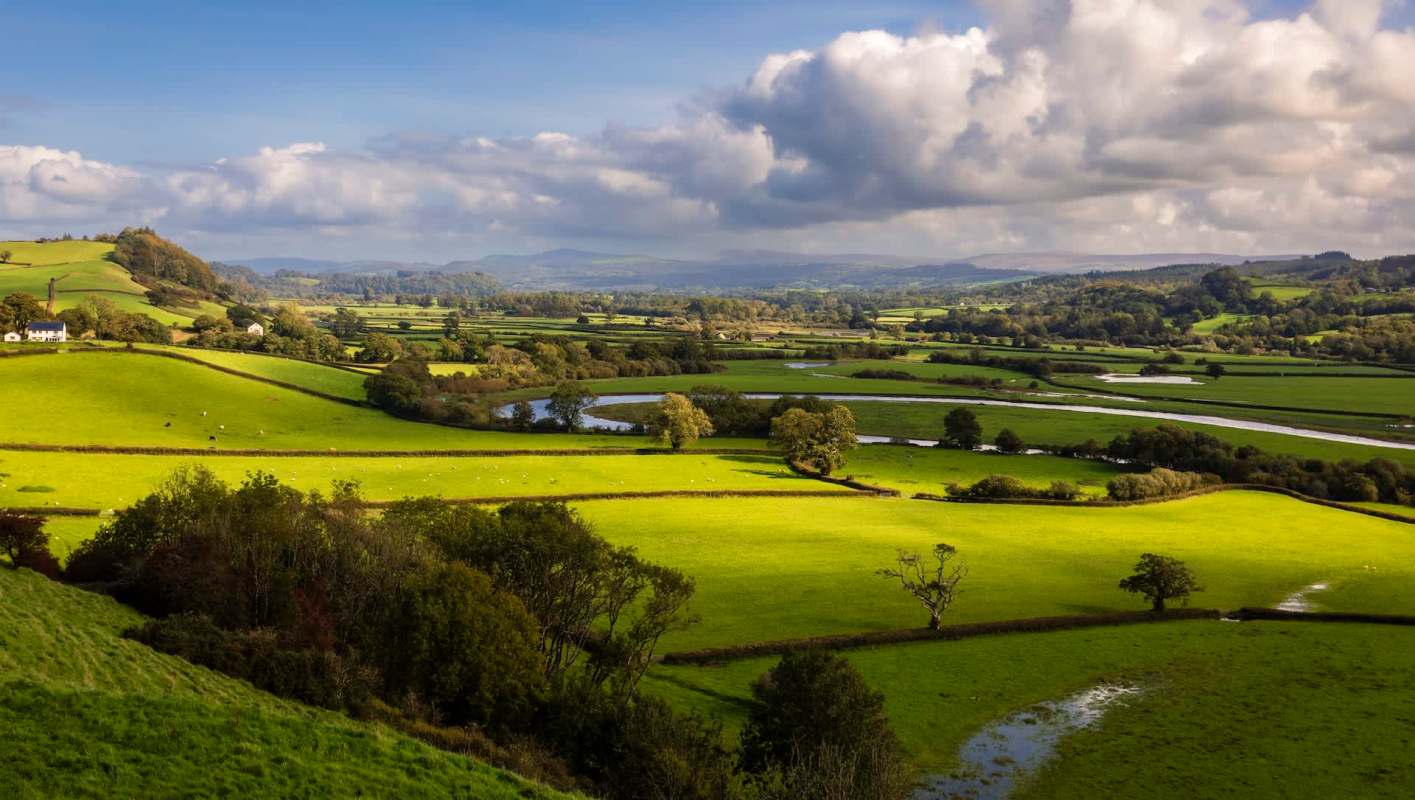
A butterfly species thought to have disappeared over the last decade has made an incredible recovery in southwest Wales thanks to conservation efforts.
The Guardian reported that volunteers counted more than 300 brown hairstreak butterfly eggs found on blackthorn branches near Llandeilo this winter, marking record numbers after years of decline and a 50% increase from the previous year.
The butterfly population dropped dramatically due to flailing hedges — a mechanical method of trimming using a tractor-mounted, fast-rotating drum fitted with heavy-duty blades. While an efficient way to landscape, this type of cutting unknowingly destroyed thousands of eggs.
After persuading landowners and farmers to adopt a more empathetic, eco-conscious style of hedge cutting that involves rotations, conservationists were able to help more brown hairstreak eggs survive the winter.
Volunteers for Butterfly Conservation have kept careful annual counts of the butterfly eggs and have helped boost the population by planting new blackthorn bushes in partnership with the National Trust and the South Wales Trunk Road Agent.
Richard Smith, a volunteer for Butterfly Conservation, was quoted in the article, "After a decade of heartache for brown hairstreak butterflies in Carmarthenshire's Tywi valley, there is at last signs of an upturn."
TCD Picks » Quince Spotlight
💡These best-sellers from Quince deliver affordable, sustainable luxury for all




He went on to mention that the Welsh government established a new sustainable farming scheme that legally requires the avoidance of annual flailing, which will help the rare butterfly population continue to grow.
The director of nature recovery for Butterfly Conservation, Dan Hoare, said: "Across the UK, hedgerows are an essential part of our ecological infrastructure, providing homes and highways to millions of insects, mammals and birds – but since the 1950s we have lost about 40% of what we had, and less than half of what remains is thought to be in a good condition. If hedgerows are only trimmed once every two years, or even every three years, it could make an enormous difference to the survival of the brown hairstreak and help many other species as well."
Insect and animal populations are a great indicator of an ecosystem's health. When a species starts to disappear, it's a red flag that there's an imbalance in the environment. In Carmarthenshire's Tywi valley, the brown hairstreak butterfly revival is a sign that biodiversity is improving due to healthier hedgerows, which provide food, habitat, and refuge for a variety of wildlife.
Platypuses were reintroduced to Sydney's Royal National Park after disappearing five decades ago. Wild Mongolian horses, or Przewalski's horses, were hunted to extinction in the 1960s and successfully reintroduced to Hustai National Park. The wild boreal toad made a monumental comeback in the Rockies after a decade-long struggle.
The resurgence of animals or plants thought to be lost forever is not only exciting but also proof that conservation is crucial to restoring the planet to its natural state.
|
Which of these savings plans for rooftop solar panels would be most appealing for you?
Click your choice to see results and speak your mind. |
 Save $1,000 this year 💸
Get TCD's free newsletters for easy tips to save more, waste less, and make smarter choices — and earn up to $5,000 toward clean upgrades in TCD's exclusive Rewards Club.