


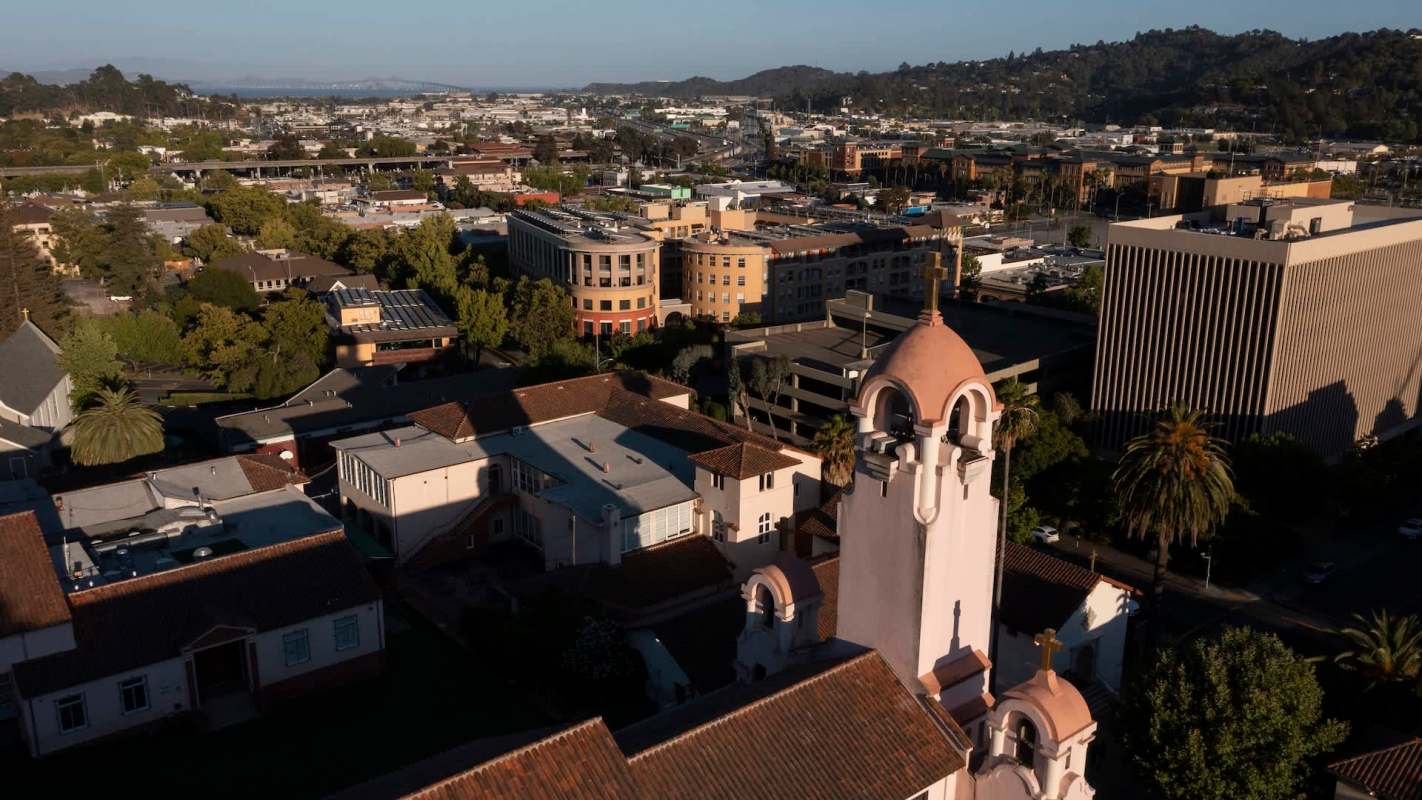
City leaders in San Rafael, California, are considering a nearly $2 billion plan to remake their Canal District, after a massive king tide flooded parts of Marin County earlier this year — all without rainfall.
What's happening?
On Jan. 3, an extremely high king tide sent seawater rushing into streets and homes across low-lying areas of Marin County, including the low-lying Canal District, according to CBS News.
City-commissioned consultants presented three major options to reduce flood risk. The most controversial would involve removing roughly 550 homes, raising the land, and redeveloping the shoreline at an estimated cost of $2 billion, according to CBS News, with other plans around increasing flood walls costing about $720 million.
Officials say the Canal District is especially vulnerable because the land has been slowly sinking for decades, creating a basin effect where higher tides can overwhelm the neighborhood.
Nearly 4,000 homes and about 13,000 people live within the area currently at risk, with double those numbers at risk in the next 30 years, according to First Street.
"There is a statistical percentage at any given year, at any given winter storm, that the [canal] edge can be overtopped in a more catastrophic way than what we've seen recently," Andy Sternad, who presented the report for his consulting firm, told CBS News. "The time to act, really, is now."
TCD Picks » Quince Spotlight
💡These best-sellers from Quince deliver affordable, sustainable luxury for all




Why are these conditions concerning?
The flooding previewed what experts say will become more common as oceans expand due to rising global temperatures, largely driven by the burning of oil, gas, and coal.
But these elevated sea levels don't just threaten property. Floodwaters can displace families, contaminate drinking water, and shut down local businesses, straining household finances and city resources.
Research shows extreme flooding events raise the risk of mold exposure, respiratory illness, and injury, particularly for older adults and low-income residents who may lack insurance or the ability to relocate.
Without action, officials warn that flooding could become more frequent within decades, disrupting schools, transportation, and emergency services, leaving communities trapped between rising costs and rising water levels.
|
Which of these savings plans for rooftop solar panels would be most appealing for you?
Click your choice to see results and speak your mind. |
 Save $1,000 this year 💸
 Similar risks are unfolding across coastal cities nationwide, as seen in San Francisco and Los Angeles, where seas are rising, and skyscrapers are sinking, and in South Carolina, where two beaches are spending millions to combat sand erosion.
What's being done about it?
While a full renovation remains years away, San Rafael's climate adaptation planner, Kate Hagemann, told CBS News that early steps could help reduce risk now, including updating building codes, improving stormwater drainage, and increasing pumping capacity during flood events.
Big picture, cutting pollution at the source and proactive planning can help protect vulnerable neighborhoods before flooding and sea levels hit the point of no return.

Get TCD's free newsletters for easy tips to save more, waste less, and make smarter choices — and earn up to $5,000 toward clean upgrades in TCD's exclusive Rewards Club.






