


A team of researchers discovered a critically endangered flowering herb that has been misunderstood since its discovery.
Lepidagathis clavata has exhibited mysterious flowering behavior and has been seen only a few times since its initial discovery in 1851.
As The Times of India reported, the researchers published a paper about the herb in the Journal of Threatened Taxa.
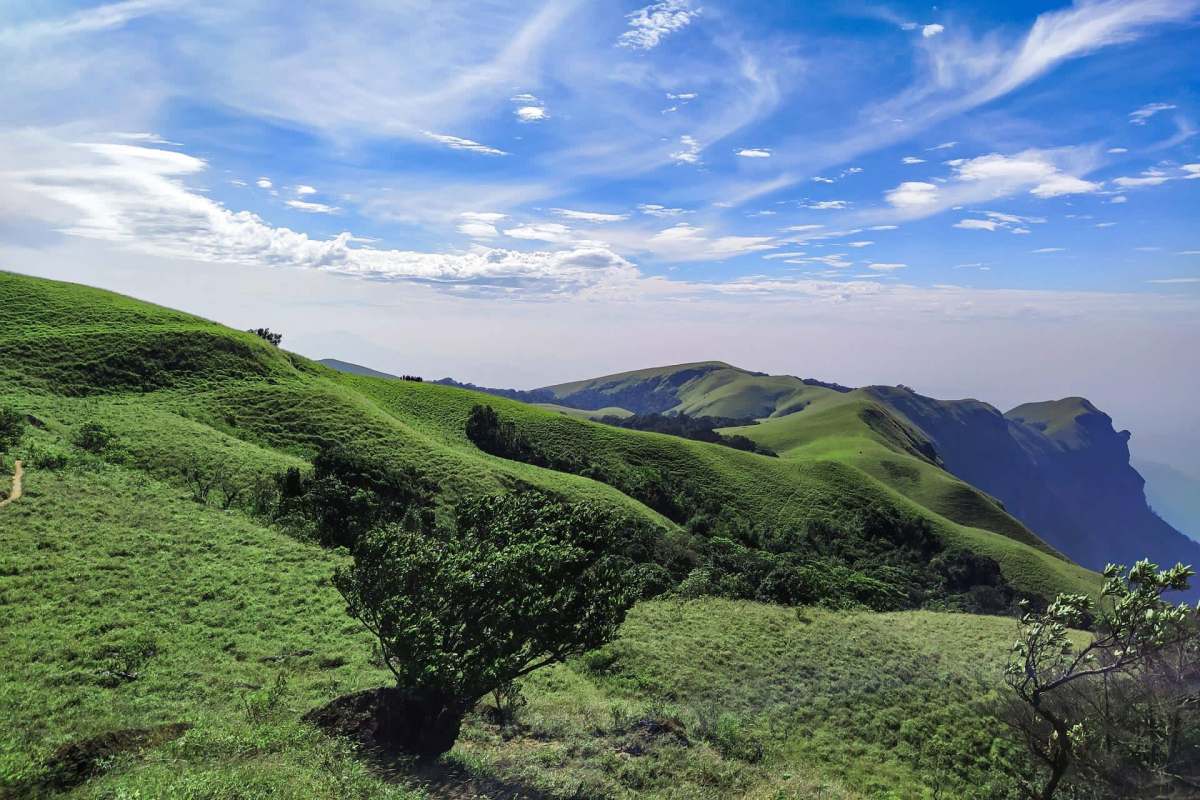
In 1851, it was first found on the Chorla plateau, a region in the Western Ghats of India. However, the International Union for Conservation of Nature has listed it as critically endangered since then.
L. clavata only flowers once every seven years, rather than annually.
It exhibits a perennial plant behavior, growing vegetatively for several years before flowering in mass over long cycles. After simultaneously flowering and maturing seeds, the plants die and then regrow from those seeds, eventually flowering again once full maturity is reached.
TCD Picks » Quince Spotlight
💡These best-sellers from Quince deliver affordable, sustainable luxury for all




The researchers' study of this rare herb is fascinating because of its unique growth patterns and resilience in recovering from extreme weather, such as the 2017 monsoons. However, the team noted that much remains to be studied and understood about L. clavata and its ecological importance in the region.
In other places, researchers have also been uncovering rare plant species that haven't been seen in 100 or more years. Rare plants once thought to be extinct may still be surviving, highlighting the need for effective, well-studied conservation strategies.
This type of research work offers hope and progress in the field of biodiversity conservation, especially as scientists learn more about the role of rare plants.
If you are interested in protecting and reviving endangered plant species where you live, consider taking action by volunteering your time or donating money to a local conservation group. You can get involved with native plant restoration projects or even start your own garden to grow a natural lawn that attracts local pollinators.
|
What's the most you'd pay per month to put solar panels on your roof if there was no down payment?
Click your choice to see results and speak your mind. |
 $200 or more 💰
 Your attention to misunderstood or underappreciated species can also spark public interest and support the push for additional research needed.
"Long-term monitoring is necessary for this group to understand their phenology," the researchers studying the Lepidagathis clavata wrote in their paper.

Get TCD's free newsletters for easy tips to save more, waste less, and make smarter choices — and earn up to $5,000 toward clean upgrades in TCD's exclusive Rewards Club.







