


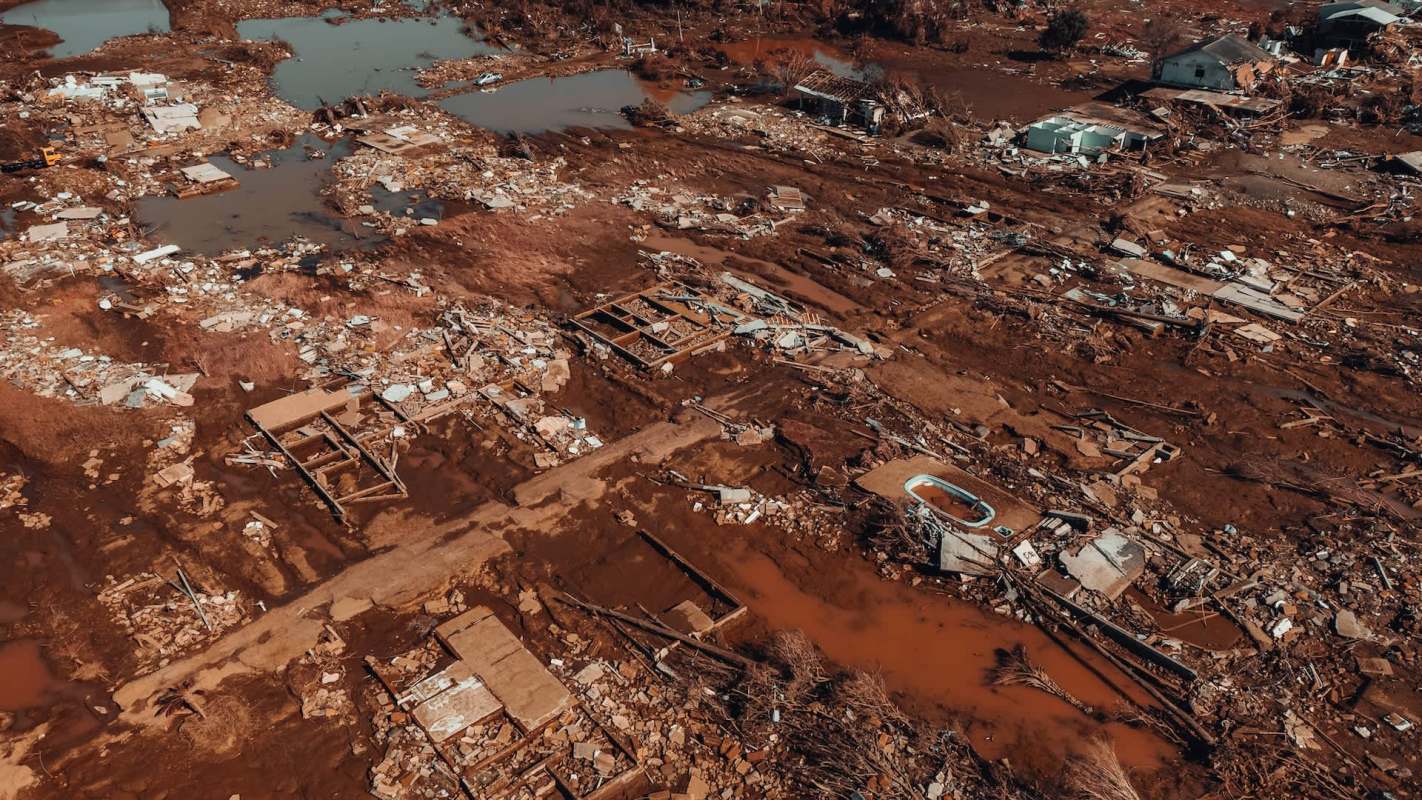
A new study paints a discouraging picture for many developing countries already dealing with the impacts of worsening climate threats. They might be powerless to get the financial funding to meet future challenges.
What's happening?
Bloomberg reported on two emerging resources that illustrate the struggles of countries such as the Bahamas, Jamaica, and the Philippines to finance the impacts of a changing climate.
Researchers from Stanford shared a Preprint study asserting that the cumulative effects of rising temperatures and tropical cyclones are greatly damaging these countries' ability to access resources.
They estimated that tropical cyclones have hiked up debt-to-gross domestic product ratios by 30% since 1990. Their effects, along with rising temperatures, lowered GDP levels by 10% over the same period.
They add that the situation creates a "vicious cycle" for those nations. They lose out because of the financial toll of storms and can't properly adapt or rebuild. Their credit ratings suffer as a result of their risk level, and the cost of borrowing goes up.
A new tool created by Fitch Ratings, the Climate Vulnerability Signals, backed up the researchers' insights. Small countries that were dependent on oil and gas for power and vulnerable to climate disasters could lose valuable funding in the future.
TCD Picks » Quince Spotlight
💡These best-sellers from Quince deliver affordable, sustainable luxury for all




Sixty of the 119 nations in the tool generated elevated scores that indicate a risk of a credit downgrade by 2050. That would hinder their ability to secure funding to help prevent future disasters or transition to clean energy.
"We believe this is consistent with the general scientific view that climate risk is an issue of significant global concern," the Fitch authors said.
Why is this "vicious cycle" important?
The report and Fitch's tool shed real doubt on whether these countries will be able to dig themselves out of the growing hole.
They're "in this gray zone where they're always hit, never fully recovered, even back to baseline, and they're just being slammed again," Stanford researcher June Choi told Bloomberg.
|
What's the most you'd pay per month to put solar panels on your roof if there was no down payment?
Click your choice to see results and speak your mind. |
 $200 or more 💰
 Severe weather events can severely impact lives and livelihoods in these countries. Hurricane Melissa last year killed 103 people, including 45 in Jamaica. Typhoon Rai displaced over 110,000 people and killed over 400 when it hit the Philippines in 2021.
What's being done about developing countries' struggles?
Stanford's Marshall Burke has in-progress research suggesting that these countries can find a way out of the predicament with access to adequate, timely funding.
Wealthier countries and individuals who contribute the lion's share of pollution can come to the aid of these countries by facilitating that and helping them rebuild after climate disasters.

Get TCD's free newsletters for easy tips to save more, waste less, and make smarter choices — and earn up to $5,000 toward clean upgrades in TCD's exclusive Rewards Club.







