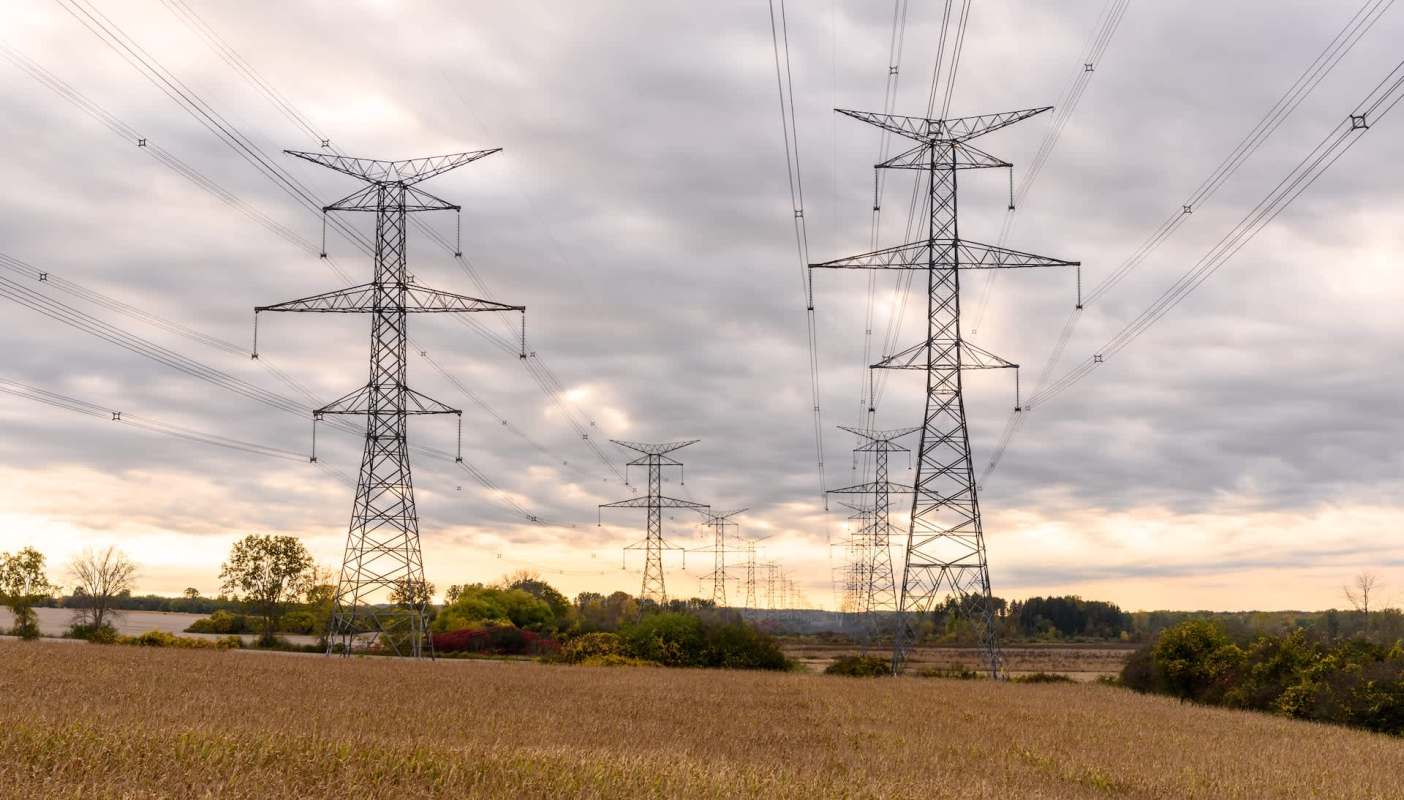
Canadian nuclear energy outfit Bruce Power is making a big upgrade that will produce an extra 125 megawatts of electricity for the grid.
It's part of a plan to generate an additional 7,000 megawatts of power through the 2030s with cost-effective part replacements and upgrades. The work will yield the generation equivalent of a new reactor, according to a news release.
It's a smog-free solution "providing more clean energy for the people, homes, businesses, and hospitals in Ontario," David Furr, supply chain vice president, said. He added that the project improves safety, efficiency, and reliability.
Interesting Engineering reported that the effort's scope includes replacing key reactor components, steam generators, and pressure tubes at four Bruce power units.
Nuclear reactors heat water, making steam to power an electricity-producing turbine, per a U.S. Department of Energy fact sheet.
The most immediate Bruce turbine replacements will happen from 2028 to 2031. Bruce is working with Siemens Energy, headquartered in Germany, for technology expertise as part of a larger agreement. Siemens Energy Canada Managing Director Arne Wohlschlegel said the work will provide a production boost.
TCD Picks » Quince Spotlight
💡These best-sellers from Quince deliver affordable, sustainable luxury for all




"Upgrading a power plant is the fastest way to get more energy onto the grid," he said.
The improvements make it possible to avoid the costly, time-consuming legwork needed to build a new nuclear reactor. For reference, Sustainability by Numbers found the average production time is six to eight years.
Still, other energy sources can be brought online faster and at lower cost.
New York-based financial advisory firm Lazard said that solar is one of the cheapest and most expedient electricity supplies to bring online for grid support, for example. And home solar provides a way for energy customers to take control of their personal electricity plans with speed, providing a safeguard against blackouts and surging electricity rates — while lowering dependency on pollution-producing coal, oil, and gas.
|
Should we be pouring money into nuclear fusion technology? Click your choice to see results and speak your mind. |
 Yes — it'll pay off 👍
 The Cool Down's Solar Explorer is a go-to guide for curated quotes, vetted installer references, and other information that can save you up to $10,000 on upfront costs.
Proponents tout nuclear energy as an abundant electricity source that also comes without air pollution. That's important, as the Environmental Defense Fund says fumes increase chances for respiratory problems, heart attacks, and strokes.
And while radioactive waste is a harmful byproduct, there's debate among experts about its dangers.
North Carolina State University professor Robert B. Hayes has pushed back on common fears, noting that the ceramic pellets (not oozy drums) represent a small byproduct each year in exchange for loads of power. The Department of Energy says the United States makes enough of it to fill less than half of an Olympic-sized swimming pool annually.
Earth.org listed radioactive waste, meltdown risks, and weapons proliferation as leading cons. Critics often cite these concerns when arguing against efforts that expand nuclear energy in the U.S. To their point, while rare, nuclear accidents are sometimes deadly events with decades-long consequences.
But the power source is already generating a significant chunk of North America's electricity.
Visual Capitalist reported that about 19% of U.S. electricity and 15% of Canadian electricity is made by reactors. Surging data center power demand is spurring more investment, including from Microsoft.
At Bruce, operators intend to get more out of their existing reactors to help power Ontario.
"Bruce Power will be able to deliver more clean energy throughout Ontario and extend the life of this plant for another 30 years," Wohlschlegel said.

Get TCD's free newsletters for easy tips to save more, waste less, and make smarter choices — and earn up to $5,000 toward clean upgrades in TCD's exclusive Rewards Club.