


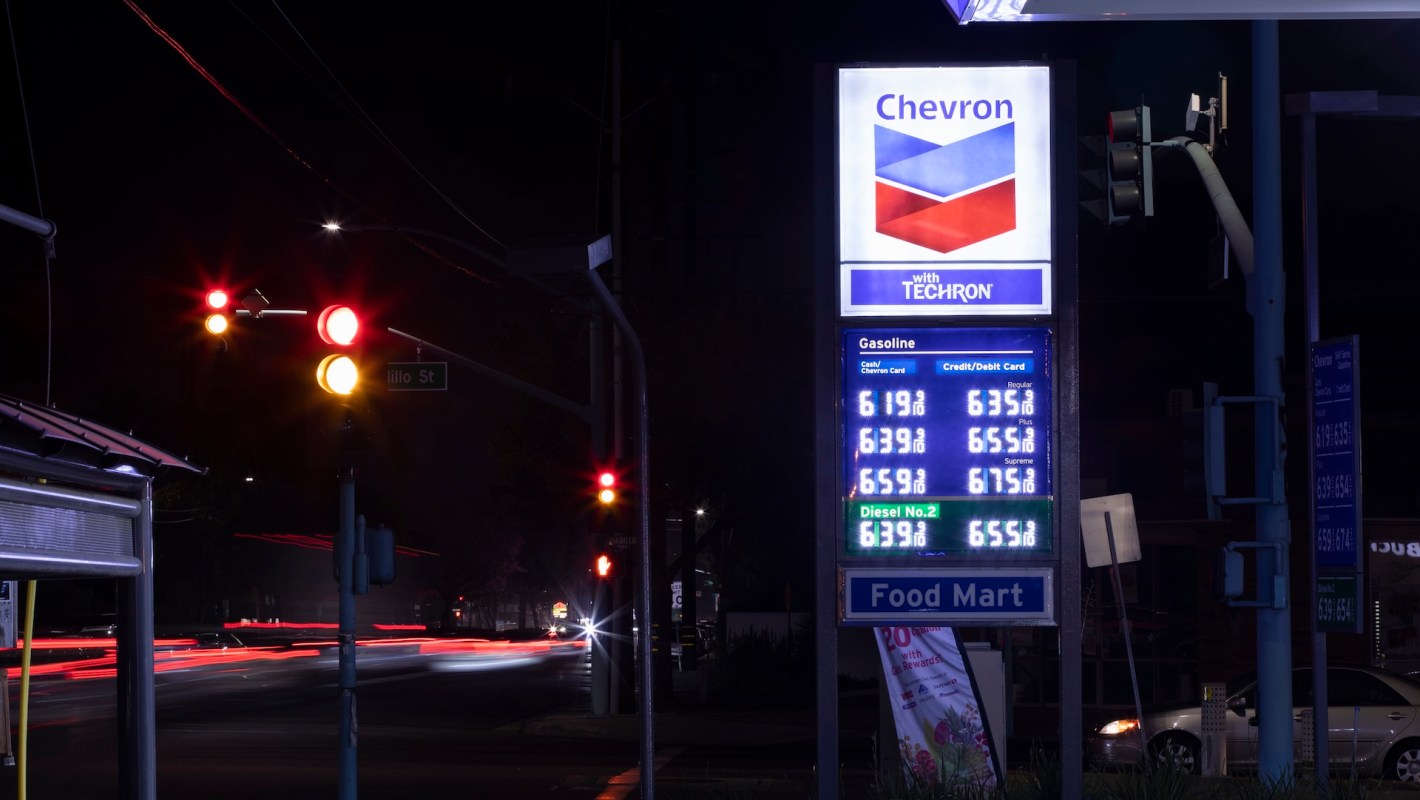
Americans might soon pay more at the gas pump if a proposal from the White House to roll back fuel efficiency standards is approved.
What's happening?
As Electrek reported, the Trump administration announced the plan in early December, noting in a press release that it would provide "major relief to American families" by reducing the price of a new gas-powered vehicle by nearly $1,000.
The proposal would weaken Biden-era Corporate Average Fuel Economy standards for vehicle model years 2022 through 2031, lowering targets from 50.4 miles per gallon to 34.5 miles per gallon. The administration stated that it would not only lower vehicle prices but also protect automotive jobs and reduce pressure on automakers to increase production of electric vehicles.
Since EV sales are still growing, with record sales in 2024, it's clear that the market is continuing to expand even without the federal tax credits. In addition to being more affordable and eco-friendly than conventional vehicles, EVs offer the convenience of home charging, saving time and approximately $400 to $800 per year — according to EnergySage — on finding and using public charging stations.
However, critics argue that the move will backfire in the long run for both consumers and the environment by increasing fuel costs and tailpipe pollution, and it will benefit primarily traditional internal-combustion-engine automakers by removing penalties.
Why is the proposal concerning?
As Electrek explained, the proposal "will cost you more money at the pump" and reverse standards that have reduced overall vehicle pollution, which is estimated to kill around 20,000 people prematurely in the United States annually, according to research.
In addition, rolling back the CAFE standards discourages EV adoption by reducing the financial benefits of choosing EVs over gas models, which typically have lower upfront costs. Electrek noted that the CAFE guidelines were implemented in the 1970s and have saved consumers approximately $7,000 in fuel costs over the average vehicle's lifetime, without raising car prices, as Consumer Reports explained.
How can you save money on gas?
Buying an EV is more affordable than ever, even with the loss of tax credits, because technological advancements are reducing battery costs, charging and maintenance costs are lower over the vehicle's lifetime, more model choices are available to meet diverse needs, and state and local rebates and incentives remain to save buyers thousands.
Save $10,000 on solar panels without even sharing your phone number Want to go solar but not sure who to trust? EnergySage has your back with free and transparent quotes from fully vetted providers in your area. To get started, just answer a few questions about your home — no phone number required. Within a day or two, EnergySage will email you the best options for your needs, and their expert advisers can help you compare quotes and pick a winner. Solar panels can save you more than $50k over their 25-year lifespan, and EnergySage can help you save as much as $10k on installation. Which begs the question — isn't that worth an email or two? |

If you plan to buy or already own an EV, installing a Level 2 home charger can enhance your experience and further boost the savings associated with electric vehicle ownership.
Finding all the necessary information on home chargers can be overwhelming, but Qmerit simplifies the process by connecting you with local, vetted electricians who can handle the installation. All you have to do is answer a few basic questions about your electrical panel and garage, and Qmerit will offer instant estimates from qualified installers.
To save even more, consider investing in a home solar system that can reduce your energy bills by reducing reliance on the grid. TCD's Solar Explorer can help you find the right installer and setup for your needs by connecting you with trusted partners such as EnergySage, which can save you $10,000 on the purchase and installation fees.
|
How much does it cost to fill your car up with gas? Click your choice to see results and speak your mind. |
 Over $55 💰
Get TCD's free newsletters for easy tips to save more, waste less, and make smarter choices — and earn up to $5,000 toward clean upgrades in TCD's exclusive Rewards Club.






