


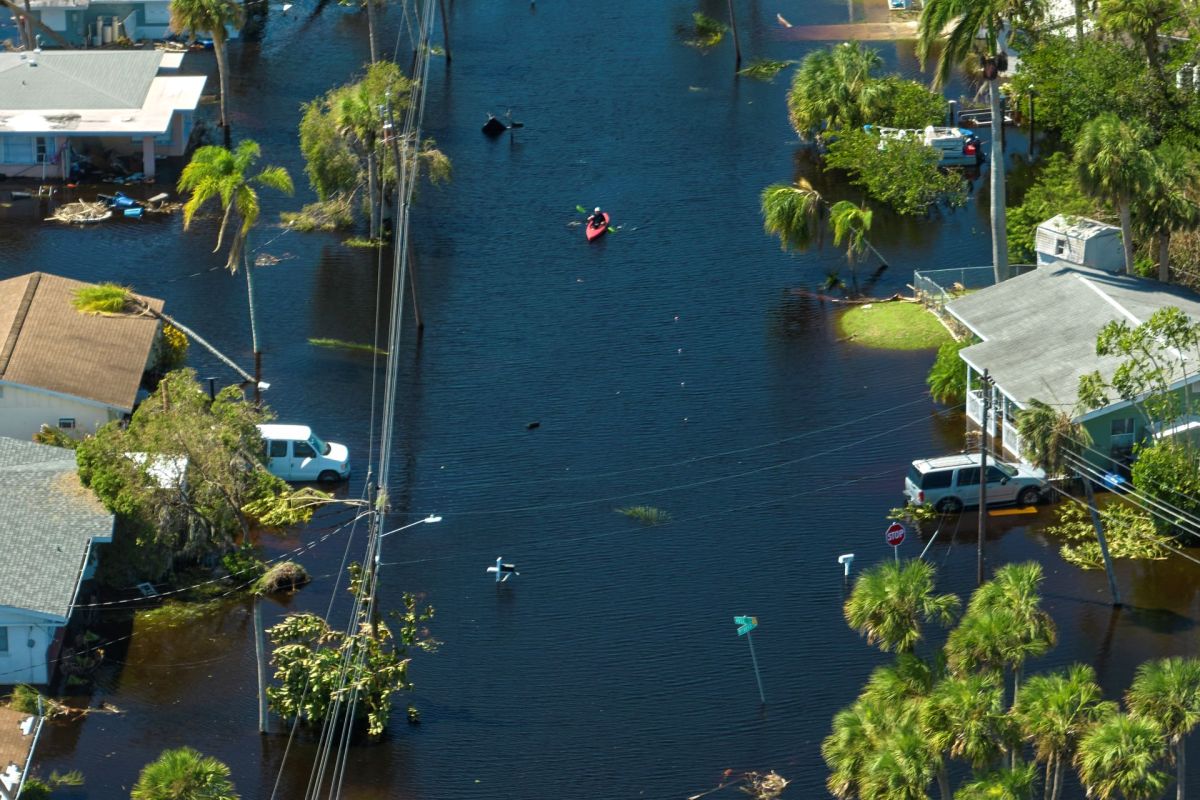
Scientists have found new evidence that melting mountain glaciers may alter life as we know it. Melting ice could force millions of people from their homes, disrupt water supplies, and worsen weather-related challenges.
What's happening?
According to the Anadolu Agency, a report by the Intergovernmental Panel on Climate Change estimated that mountain glaciers lost an average of 267 gigatons of ice per year from 2000 to 2020.
But the concerns don't stop there. The outlet also reported that the World Glacier Monitoring Service estimated that 2023 "marked the fastest recorded year of glacier loss in history."
In fact, up to half of all mountain glaciers will likely disappear by the end of the century, even if rising temperatures don't exceed 2.7 degrees Fahrenheit above preindustrial levels.
Human activity is the primary driver of rising temperatures, which have led to glacier melt as well as similar perils, according to the World Wildlife Fund.
Why do melting glaciers matter?
Mountain glacier melt is a significant problem affecting communities worldwide. With millions of people at risk of the adverse effects of glacial ice melt, experts are concerned.
TCD Picks » Quince Spotlight
💡These best-sellers from Quince deliver affordable, sustainable luxury for all




"The consequences are staggering," Istanbul Technical University professor Orhan Ince said, per the state-run Turkish news outlet.
He explained that the water supplies of more than 1.9 billion people in the Himalayas are at risk and that irrigation systems for South American agriculture will be under increased stress. Rapid glacier melt can also worsen landslides and flooding, causing widespread damage to communities and broader ecosystems, the Anadolu Agency reported.
It's also important to note that ice melt contributes to global sea level rise, which can worsen storm surges and coastal flooding, per Climate.gov.
Ince said glacier-fed water loss could force upward of 30 million people to abandon their homes between 2030 and 2050. "These losses are irreversible, but they can still be slowed," he said.
What's being done about melting glaciers?
Though there's no single solution to preventing or slowing glacier ice melt, there are many steps you can take to make a difference. The same goes for holding back rising temperatures, with one study warning that 2 billion people will live in life-threatening temperatures by the end of the century. Other experts warn that rising temperatures can worsen hurricanes and tornadoes.
|
How worried are you about rising ocean levels? Click your choice to see results and speak your mind. |
 Very 😰
 For Ince, cutting back or eliminating carbon dioxide pollution is one of the most important efforts.
In an interview with Earth.org, Allison Chartrand, who studied glaciers at Ohio State University, recommended encouraging lawmakers to support the transition to clean energy such as solar and wind power. She also suggested using your buying power to support companies that are committed to reducing pollution.

Get TCD's free newsletters for easy tips to save more, waste less, and make smarter choices — and earn up to $5,000 toward clean upgrades in TCD's exclusive Rewards Club.







