


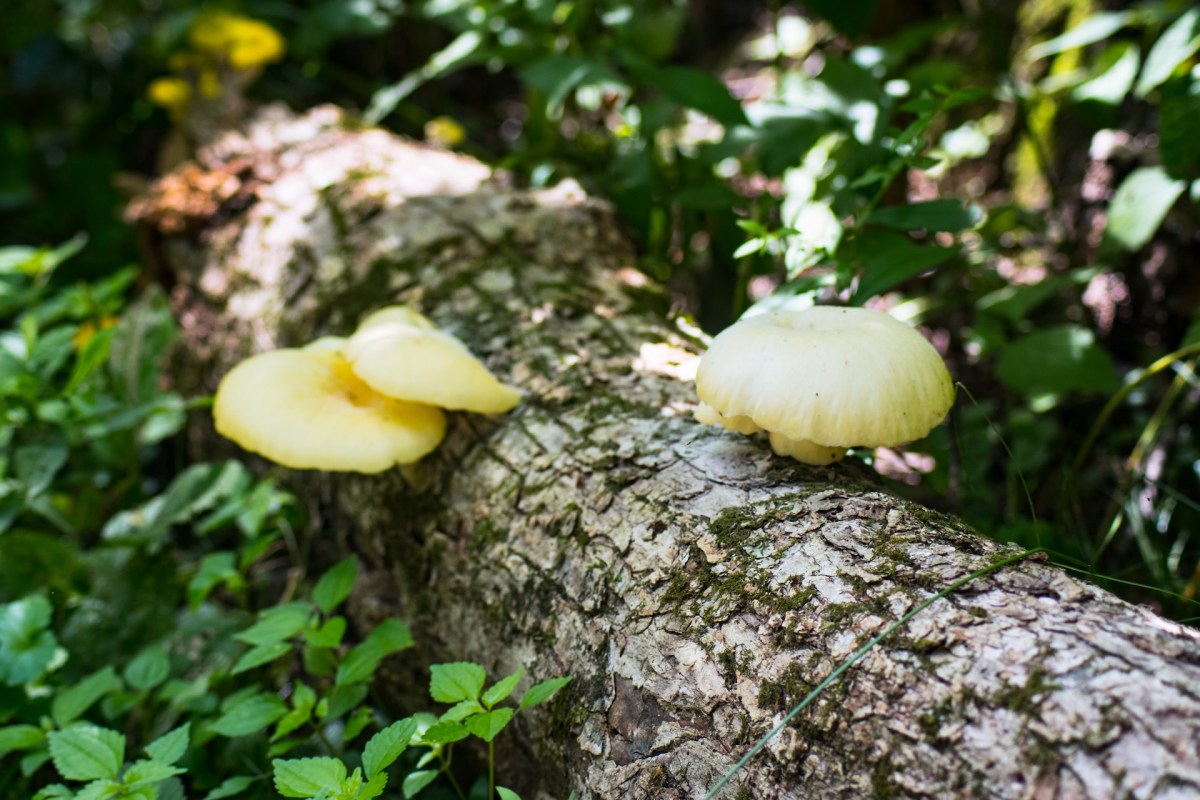
A once-harmless garden favorite may be quietly reshaping forests across the United States, according to the University of Florida. The golden oyster mushroom, prized for its bright yellow caps and rich flavor, is now being spotted far beyond home gardens and markets, prompting warnings from researchers about its potential to disrupt native ecosystems.
What's happening?
Pleurotus citrinopileatus is sold in grow-your-own kits, grocery stores, and farmers markets nationwide. But assistant professor Michelle Jusino, who studies forest pathology at the UF Institute of Food and Agricultural Sciences, warns that the species is escaping cultivation and invading forests in the wild.
"It is slowly marching south, which is really terrifying," Jusino said, noting that in just a decade, the mushroom has spread to more than 25 states, including Texas, Virginia, and North Carolina. Field studies reveal that golden oyster mushrooms can outcompete native fungi, alter fungal communities, and affect critical processes such as wood decomposition and carbon cycling.
Why is this important?
Golden oyster mushrooms threaten native biodiversity by reducing the number and types of fungi in colonized trees. Some native fungi play vital roles in forest ecosystems, including medicinal, ecological, and carbon-regulating functions.
Evidence from a study in Wisconsin and community science data from platforms such as iNaturalist show that once introduced, the mushrooms spread quickly, displacing species that are critical to forest health. "Paying attention now gives us a chance to protect native ecosystems before the balance tips too far," Jusino said.
The spread of invasive fungi highlights a broader issue often overlooked in conservation. While plants, insects, and animals are closely monitored, microbes such as fungi and bacteria can quietly reshape ecosystems, affecting native species, food webs, and forest resilience.
TCD Picks » Quince Spotlight
💡These best-sellers from Quince deliver affordable, sustainable luxury for all




What's being done about it?
Researchers are calling for increased education and monitoring for cultivators and hobbyists as well as the use of native mushroom species to prevent future invasions. Jusino and her team are testing methods to study and manage the golden oyster mushroom spread, hoping to preserve fungal biodiversity and maintain the ecological balance necessary for forests to thrive.
For gardeners and home growers, careful disposal of cultivated fungi and awareness of local ecosystems are key.
|
Should the government be allowed to ban certain plants? Click your choice to see results and speak your mind. |
 Definitely 👍
Get TCD's free newsletters for easy tips to save more, waste less, and make smarter choices — and earn up to $5,000 toward clean upgrades in TCD's exclusive Rewards Club.







