


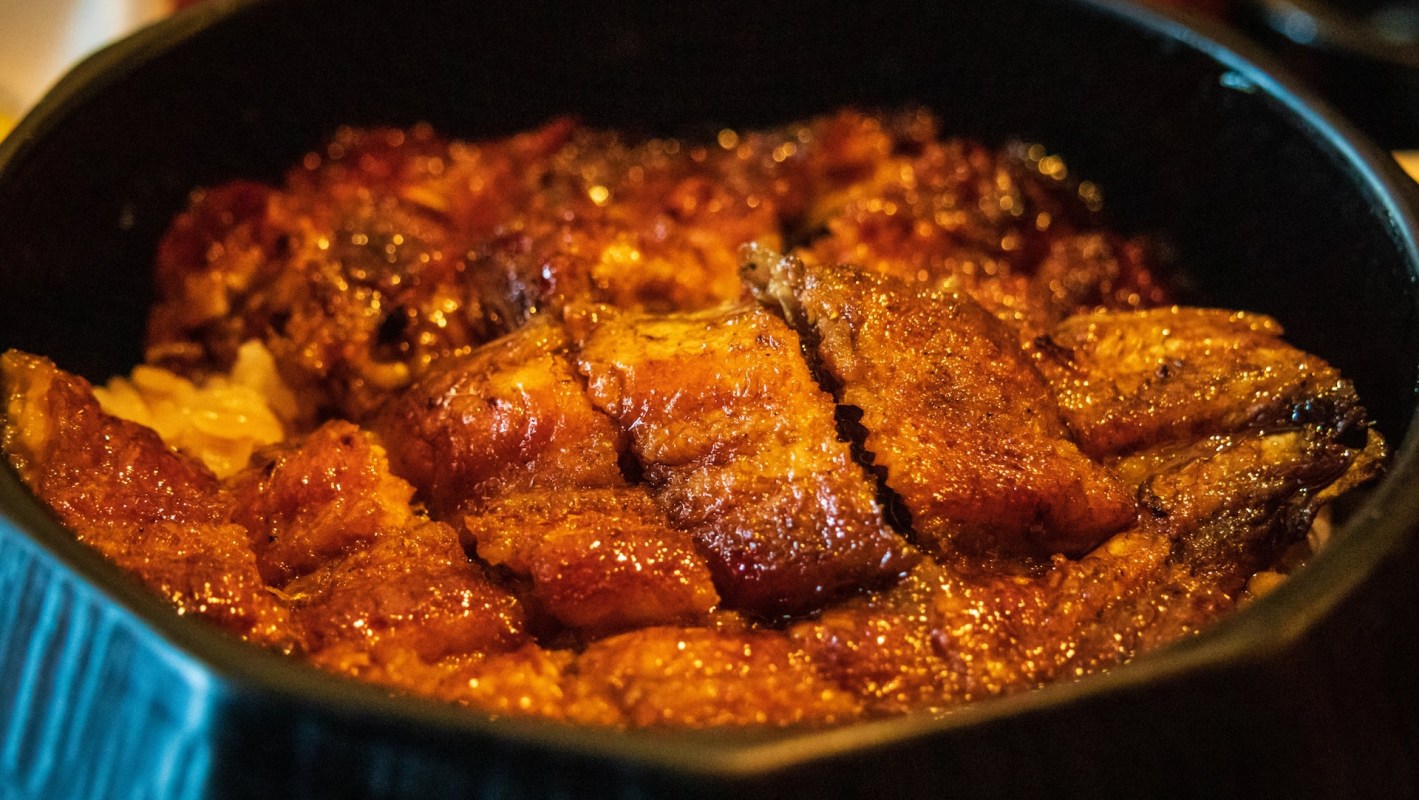
Across the globe, eels are considered a delicacy on the dinner table. However, behind this popular dish is the dark reality of a massive illegal wildlife trade threatening the species' survival.
What's happening?
Eels are an endangered species, with some, such as the European eels, listed as critically endangered by the International Union for Conservation of Nature. However, despite their endangered status, eels are still overfished and illegally traded worldwide.
According to reports from the Guardian, Europe's eel trafficking is worth 2.5 billion euros. It's the largest wildlife crime in Europe, even though European eel exports were banned 15 years ago.
Since Europe's eel trafficking has become so widespread and continued despite legal action, researchers interviewed a group of key stakeholders involved in the eel industry, from law enforcement officers to eel farmers, in an effort to understand how the illegal trade of eels has been able to continue.
Authorities discovered one of their first clues into the severity of eel trafficking after intercepting a luggage bag filled with live fish in Hong Kong. Following this discovery, officials asked Dr David Baker from Hong Kong University to identify the species using eDNA. Baker's analysis revealed that the eels were, in fact, European eels illegally brought into Asia.
"It hit me like a ton of bricks that a critically endangered species is on the shelf at all these commercial retail outlets [outside Europe]," Baker told the Guardian after discovering that 45% of eels in Hong Kong convenience stores were European.
TCD Picks » Quince Spotlight
💡These best-sellers from Quince deliver affordable, sustainable luxury for all




Why is the illegal eel trade concerning?
The illegal trafficking of European eels is detrimental to the species as a whole, as it pushes the already endangered eel closer to extinction. The loss of any species has a domino effect on the entire ecosystem, disrupting the populations of other prey and predators.
Illegally transporting and introducing non-native species into new countries can also spread diseases. If some of the illegally transported species happen to escape into open waters, they can introduce new diseases and/or breed with native species, wiping out local populations of marine life.
From an economic and safety perspective, another reason why eel trafficking is so detrimental to society as a whole is that it fuels organized crime. The illegal eel trade is associated with other forms of law-breaking outside of animal trafficking, including money laundering and drug trading, per WIRED.
What's being done about the illegal trade of eels?
Despite conservation efforts and legal action, the illegal trafficking of eels has persisted. Experts are growing weary, as they doubt whether the wildlife trafficking will ever fully come to an end.
However, the Guardian pointed out an ember of hope, noting that "the rise of the conscientious consumer will result in diners actively seeking out homegrown eels." As a result, by raising awareness, researchers can help educate the public about the illegal trafficking of eels. This, in turn, will help consumers make smarter decisions when they enjoy the delicacy, opting to buy eels from legal eel farmers.
|
Would you buy juice or yogurt made with bruised or misshapen fruit?
Click your choice to see results and speak your mind. |
 If I couldn't tell the difference 🤔
💰Get TCD's free newsletters for easy tips to save more, waste less, and make smarter choices — and earn up to $5,000 toward clean upgrades in TCD's exclusive Rewards Club.







