


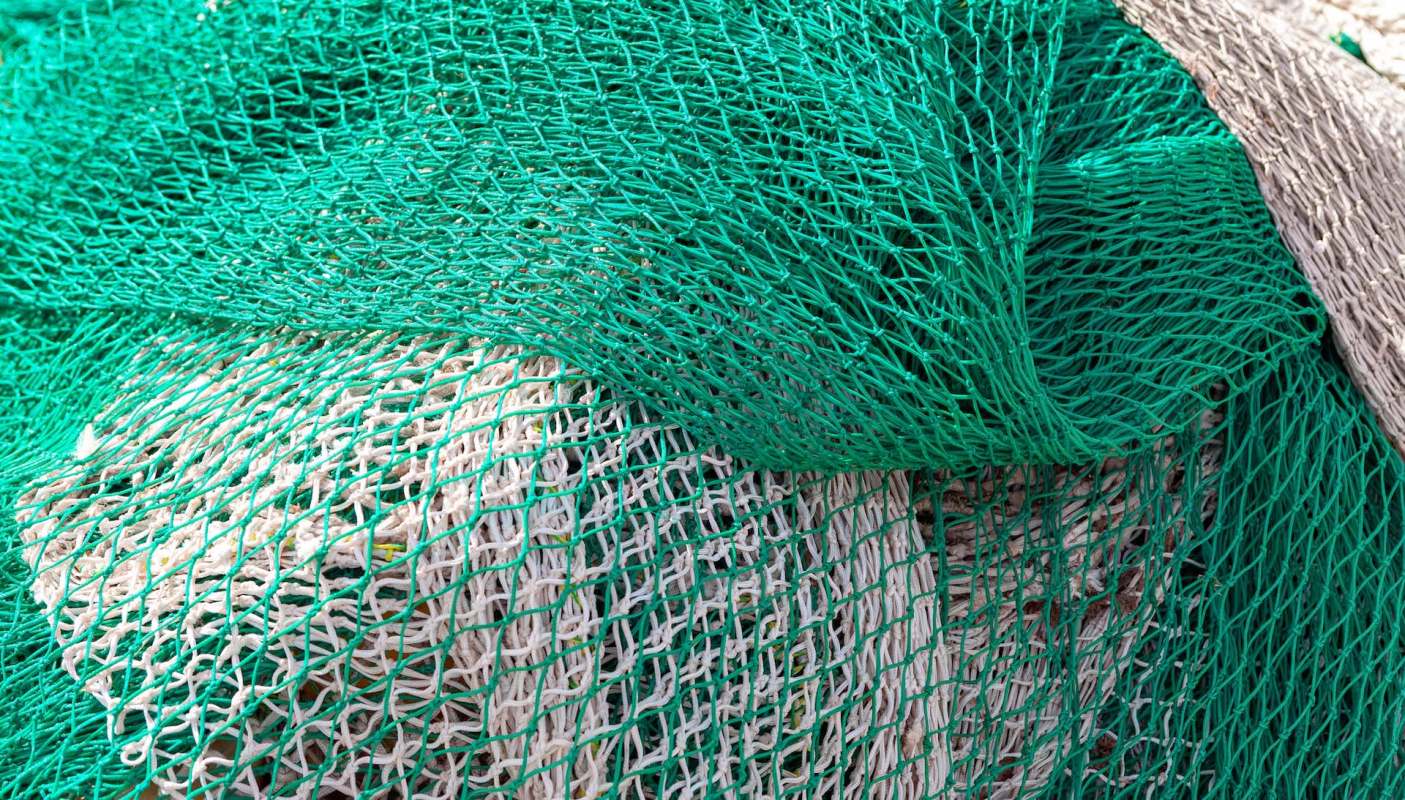
Cornish entrepreneur Ian Falconer has turned one of the ocean's biggest dangers into an asset: He is recycling discarded nylon fishing nets into raw materials for 3D printing and plastic manufacturing, The Guardian reported.
Fishing nets are discarded after roughly six months of use because the wear and tear turns the surfaces cloudy and makes them visible to fish. They get less effective, and fishers see smaller catches, so they switch out the nets frequently.
Discarded nets can end up dumped in the harbor and tangled on the shoreline, posing a threat to wildlife and making up a large portion of the 170 trillion pieces of plastic in our oceans. Normally, they cost money to remove and dispose of properly — especially given that plastic is difficult to recycle.
But for Falconer, they are a source of income.
"Our process turns a liability of about £500 a tonne to pay to get someone to take the nets away, not to mention the environmental cost of that, into something of real value," he said, per The Guardian. "Now, when I pass the piles of fishing nets on the harbourside, I see piles of money."
Falconer's machinery cleans the algae from the nets, shreds them, and melts them down into plastic beads. Those beads can be turned into filament for 3D printing or used for traditional injection molding, so they sell for 12,000 English pounds per tonne (roughly $17,000 per ton). When the pure nylon is mixed with waste carbon fiber, the price nearly triples.
TCD Picks » Quince Spotlight
💡These best-sellers from Quince deliver affordable, sustainable luxury for all




All kinds of products can be made from this material, from frames for glasses to bike parts to razor handles. And the supply is massive.
"Every year, up to 1 million tonnes of fishing nets are discarded," Falconer said, per The Guardian. "Most of that ends up in landfill or is burned, or worse still finds its way back into the oceans. This showed there was another way for some of that material."
Falconer isn't content to just sell the plastic. He is expanding his operation to sell the recycling equipment to countries where recycling technology is behind and nylon fishing nets are a problem.
"The beauty of it is that it all fits in a shipping container, and pretty much anyone can operate it," he said. "So, you could have one of these at every harbour around the world, converting a costly and hazardous waste into a profitable raw material."
|
Which factor would most effectively motivate you to recycle your old batteries? Click your choice to see results and speak your mind. |
 Getting money back 💰
Join our free newsletter for good news and useful tips, and don't miss this cool list of easy ways to help yourself while helping the planet.







