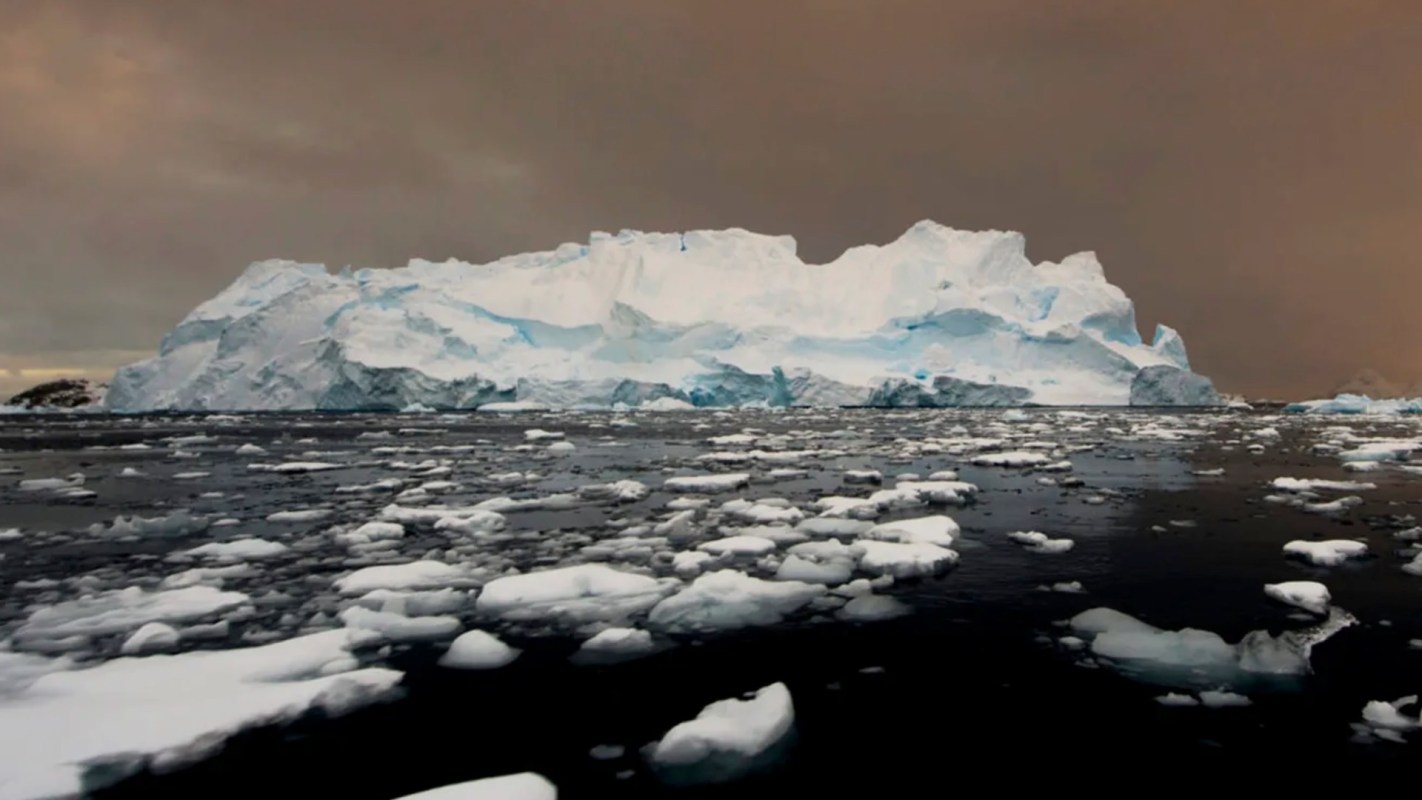
A new study of Antarctic ice cores published in the Proceedings of the National Academy of Sciences has extended our record of Earth's climate conditions back 6 million years, Oregon State University reported — five times as far back as we have ever been able to see.
While this is an incredible scientific discovery and an unexpectedly significant achievement for the research team, it has also shed sobering light on the problems facing us and our climate today.
What's happening?
A team of U.S. scientists led by Sarah Shackleton of Woods Hole Oceanographic Institution and John Higgins of Princeton University ventured to the Allan Hills region of East Antarctica to collect ice core samples from this remote area. They are affiliated with the Center for Oldest Ice Exploration (COLDEX), a program that is a collaboration between 15 research institutions studying Antarctic ice.
"We knew the ice was old in this region. Initially, we had hoped to find ice up to 3 million years old, or maybe a little older, but this discovery has far exceeded our expectations," said COLDEX Director Ed Brook, per OSU.
The ice cores in this case are 6 million years old, blowing past the recent new record of 1.2 million years.
"We're still working out the exact conditions that allow such ancient ice to survive so close to the surface," said Shackleton, per OSU. "Along with the topography, it's likely a mix of strong winds and bitter cold. The wind blows away fresh snow, and the cold slows the ice to almost a standstill. That makes Allan Hills one of the best places in the world to find shallow old ice and one of the toughest places to spend a field season."
TCD Picks » Quince Spotlight
💡These best-sellers from Quince deliver affordable, sustainable luxury for all




Why are these samples important?
Antarctic ice cores are more than just ice. They contain frozen water and trapped air bubbles that have stayed in place over the millennia, offering a glimpse into the conditions on Earth when the ice was formed. By extracting the air bubbles and testing different substances inside, scientists can determine both the age of the samples and the temperature in the area at the time that they formed.
"Ice cores are like time machines that let scientists take a look at what our planet was like in the past," said Shackleton, per OSU. "The Allan Hills cores help us travel much further back than we imagined possible."
Unfortunately, researchers discovered that 6 million years ago, this region of Antarctica was about 12 degrees Celsius warmer, or 22 degrees Fahrenheit. By contrast, the National Oceanic and Atmospheric Administration reported that the Earth has warmed by 2 degrees Fahrenheit in the last 175 years.
That means the cooling the Earth has undergone over 545,000 years, on average, has been undone in less than two centuries due to the incredible amount of pollution produced by human activity. The overheating Earth is leading to melting Arctic and Antarctic ice, causing ocean levels to rise and to devastating weather.
What's being done about our changing climate?
Gathering reliable data like this and building a library of core samples is foundational to understanding the natural changes in Earth's climate and the impact humanity has had on it. That, in turn, can inform policy changes that will help us turn our pollution and the planet's overheating around. You can start doing your part by getting informed about these climate issues.
|
Should it be illegal to throw away old clothes?
Click your choice to see results and speak your mind. |
 Heck yes 👍
Join our free newsletter for good news and useful tips, and don't miss this cool list of easy ways to help yourself while helping the planet.