


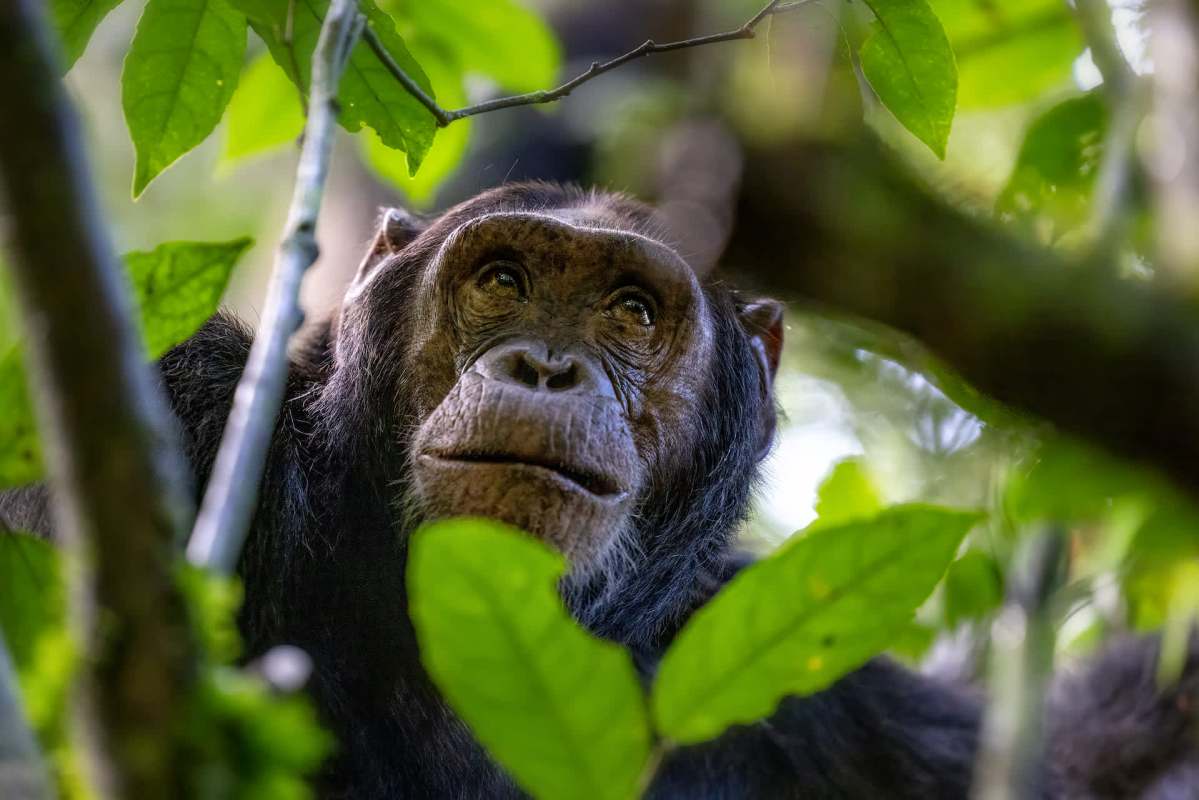
Jane Goodall, who spent decades studying chimpanzees and advocating for their protection, uncovered something unexpected in her work: These primates helped reverse a climate disaster that occurred thousands of years ago, according to The Conversation.
The renowned scientist, who died Oct. 1 at age 91, dedicated her life to understanding chimpanzees and their habitats. Her research changed how we view primate intelligence and conservation.
Goodall's work showed a problem few people knew about. About 2,500 years ago, Africa's vast rainforests began dying off as the dry season extended. The woodlands shrank into disconnected fragments.
Chimpanzees helped restore those forests. The primates ate oil palm fruits and spread the large seeds through their waste. Oil palms thrive where sunlight reaches the ground, so they sprout in clearings and start new forest growth.
Without animals moving these seeds (they're too large for wind dispersal), the forests might never have recovered. The rainforest bounced back in just 500 years because chimps and other animals spread the seeds.
Today, about 200,000 wild chimpanzees live in West and Central African rainforests. But this partnership between primates and forests is being threatened.
TCD Picks » Quince Spotlight
💡These best-sellers from Quince deliver affordable, sustainable luxury for all




Chimp populations evolve differently based on where they live. Some built resistance to diseases in humid areas, while others adapted to hot, arid woodlands. Some groups developed new habits, including digging for water and seeking shelter in caves when temperatures spiked.
This adaptability could help them withstand rising temperatures.
Young chimps learn by observing their elders and copying techniques. But human interference can break up their social structures and limit how knowledge passes between generations.
Where people disturb habitats, chimpanzees show fewer learned behaviors. Smaller groups mean less communication and reduced opportunities to share survival methods.
|
Do you think we still have a lot to learn from ancient peoples? Click your choice to see results and speak your mind. |
 Definitely 👍
 Protecting chimpanzees means protecting their capacity to adapt, learn, and maintain their ancient role as forest gardeners.
As one researcher noted, "Maybe we need to consider the true value of chimp poo, and those that produce it."

Join our free newsletter for good news and useful tips, and don't miss this cool list of easy ways to help yourself while helping the planet.







