


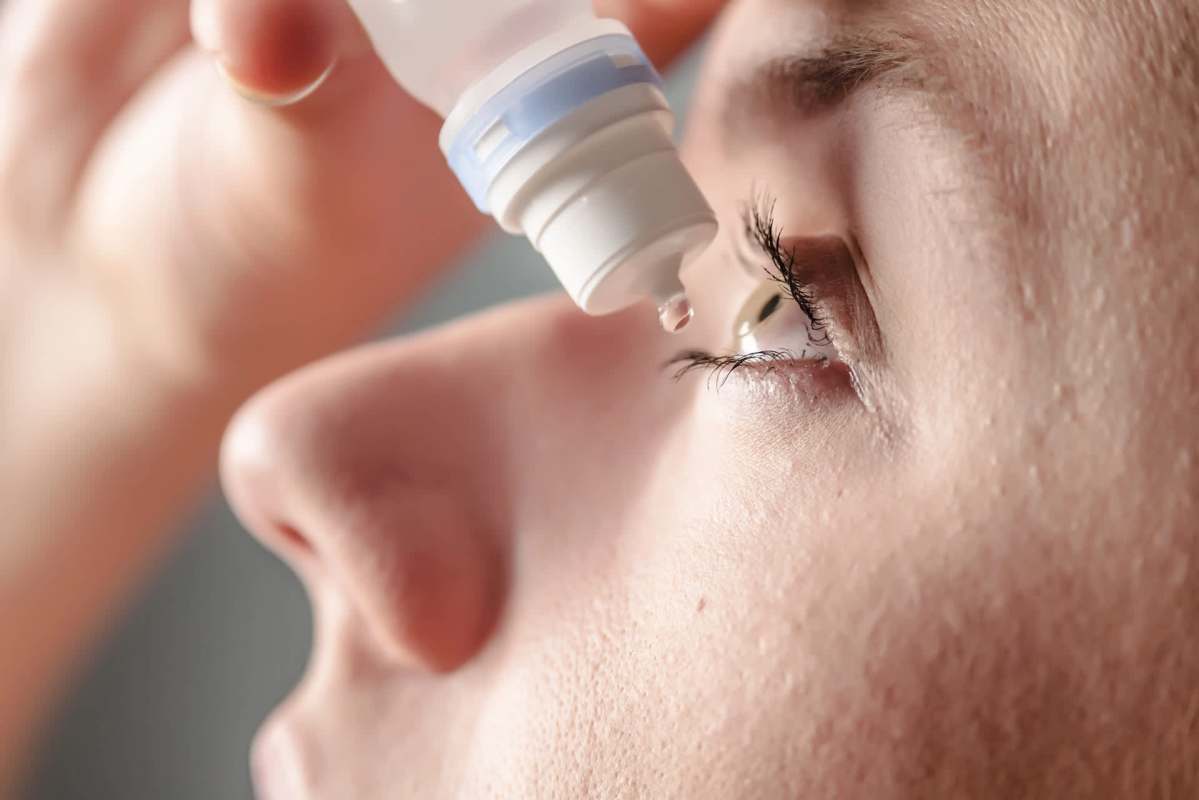
Most people reach for eyedrops without thinking twice.
But a study in the peer-reviewed medical journal Eye found that some popular over-the-counter brands may contain tiny plastic fragments — a surprising discovery that raised questions about what we're really putting in our eyes.
What's happening?
Researchers tested six store-bought eyedrop brands and found microplastic contamination in every sample.
Some bottles contained only a few stray plastic particles, while one sample held more than 18,000 microplastic particles in a single milliliter. Most fragments came from polyethylene and polypropylene — plastics commonly used in bottle caps and liners.
The discovery echoed similar findings in previously published studies. A Science Direct paper reported bits of plastic stuck in eye tissue, raising concerns about irritation and long-term strain.
Another test on contact lenses showed that they easily break down during wear. Many users rinse or toss used lenses in the sink or toilet, sending more plastic into water systems.
TCD Picks » Quince Spotlight
💡These best-sellers from Quince deliver affordable, sustainable luxury for all




Why is this concerning?
Microplastics aren't just an environmental problem — they're a human health issue.
Studies have linked them to inflammation and toxicity that can harm delicate eye tissue over time. People who use eyedrops daily could unknowingly expose themselves to microscopic debris their bodies can't remove.
Beyond personal health risks, the findings highlight that plastics don't disappear.
WWF data showed that a single piece of plastic can last for centuries before breaking down.
|
Do you worry about having toxic forever chemicals in your home?
Click your choice to see results and speak your mind. |
 Majorly 😥
 That durability helps keep droppers sterile, but it also means fragments can persist in soil, water, and even inside the body.
What's being done about it?
The research team urged drug manufacturers to rethink packaging materials and production methods to prevent contamination.
Some companies are already experimenting with glass droppers, refill stations, and plant-based plastics to reduce waste and risk. For consumers, the best steps start small but matter.
Some now support greener brands and products, looking for companies that reduce single-use packaging. Others focus on cleaner cosmetics that leave out harsh additives and use safer materials. The rinse-and-reuse method can also help cut daily plastic use.
Change may be slow, but every innovation — from safer packaging to plastic-free personal care — helps move us toward a cleaner, healthier future for all.

Join our free newsletter for weekly updates on the latest innovations improving our lives and shaping our future, and don't miss this cool list of easy ways to help yourself while helping the planet.






