


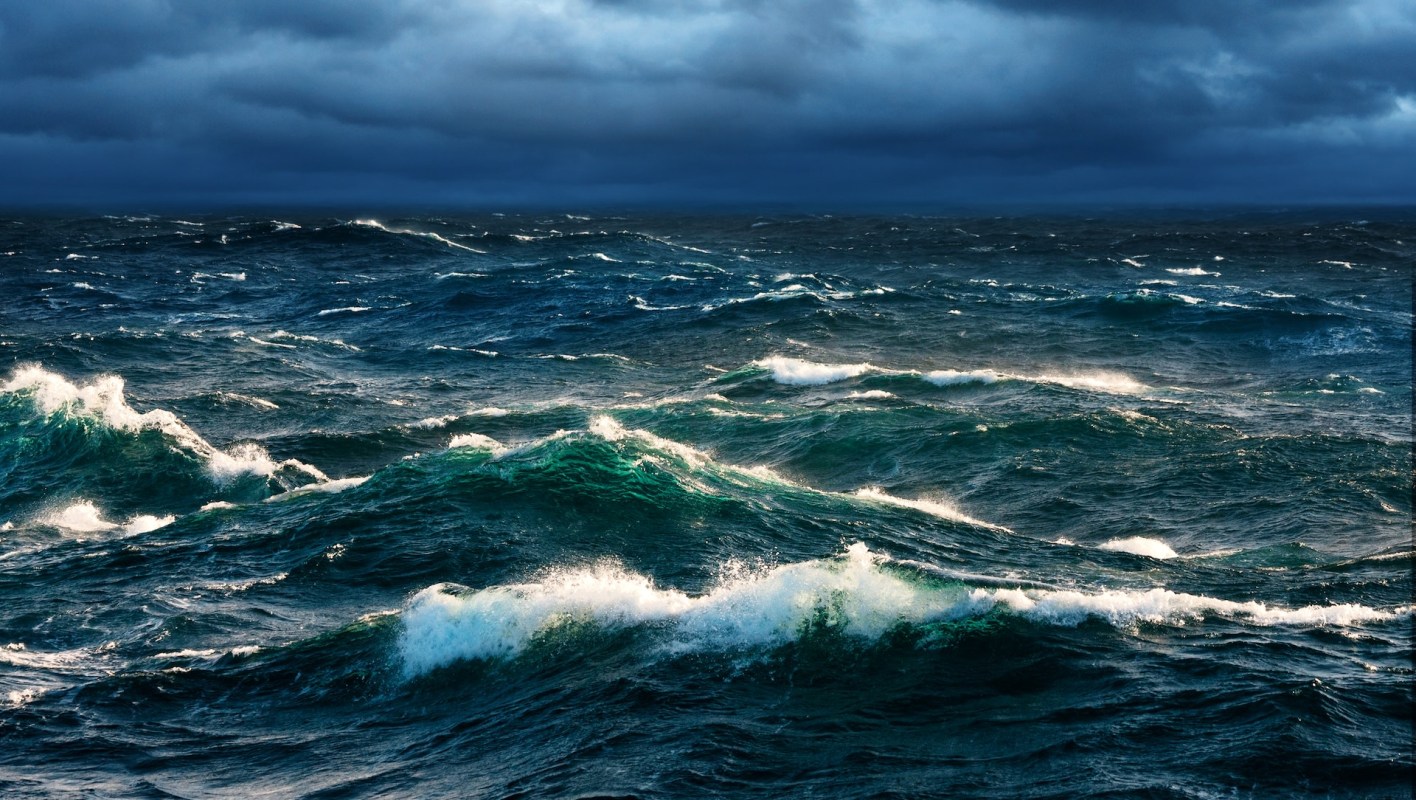
The deep sea holds many secrets — including an estimated 200,000 barrels of nuclear waste dumped in the Atlantic by European countries for about 50 years. Now, a team of French researchers is trying to wrap their heads around cleaning up the mess, according to the Daily Mail.
What happened?
Between 1946 and 1990, several European countries disposed of radioactive waste in a deep area of the North Atlantic Ocean. In a move that was apparently thought safe at the time, the barrels were sealed up with asphalt and concrete and tossed to the bottom of 13,000-foot trenches hundreds of miles offshore.
Yet the barrels are only estimated to last a little over two decades, according to the Daily Mail, and scientists today are worried about the long-term effects of such "time bombs" sitting down there on the ocean floor, as Unilad Tech explained.
Why is nuclear waste in the ocean concerning?
The substances contained in those barrels could eventually seep out into the water and expose marine life to the waste. Over time, that contamination could work its way all the way up the food chain and put human health and livelihoods at risk, the Daily Mail reported.
As Unilad Tech explained, the type of waste material in many of the barrels is on the weaker side of radioactivity, and they are very deep. This could reduce the immediate risk to humans, according to scientists cited by the news source. Yet analysis is also not complete, and the longer the barrels are down there, the more dangerous they may become.
Since the dumping days, humans have learned a lot about how to properly and safely handle nuclear power and its byproducts. As it stands today, nuclear fission — though not without its concerns — is considered by many an important and reliable player in the global transition to cleaner and cheaper energy systems.
TCD Picks » Quince Spotlight
💡These best-sellers from Quince deliver affordable, sustainable luxury for all




The risks of using nuclear power for energy production include its radioactive waste, high upfront costs, and safety concerns. The benefit is the production of energy without the planet-warming pollution of most fuel-burning energy sources.
It is still vital as ever for modern nuclear power plants to remain vigilant about waste disposal and safety measures.
What's being done about the nuclear waste in the ocean?
French scientists are working to map all the discarded barrels they can find using sonar technology. They also aim to measure the radiation levels in the surrounding habitat and animals, the Daily Mail reported.
The effort has already pinpointed 3,355 barrels, and planning for another mission in 2026 is underway. Helping the team along in the endeavor is an underwater robot named UlyX, according to the news outlet.
However, you don't have to be a deep-sea-diving robot to learn more or to help clean up the planet. Tap into conservation groups near you to find other areas that could use an extra set of hands.
|
Would you feel safe living close to a nuclear power plant? Click your choice to see results and speak your mind. |
 Absolutely ✅
Join our free newsletter for weekly updates on the latest innovations improving our lives and shaping our future, and don't miss this cool list of easy ways to help yourself while helping the planet.






