


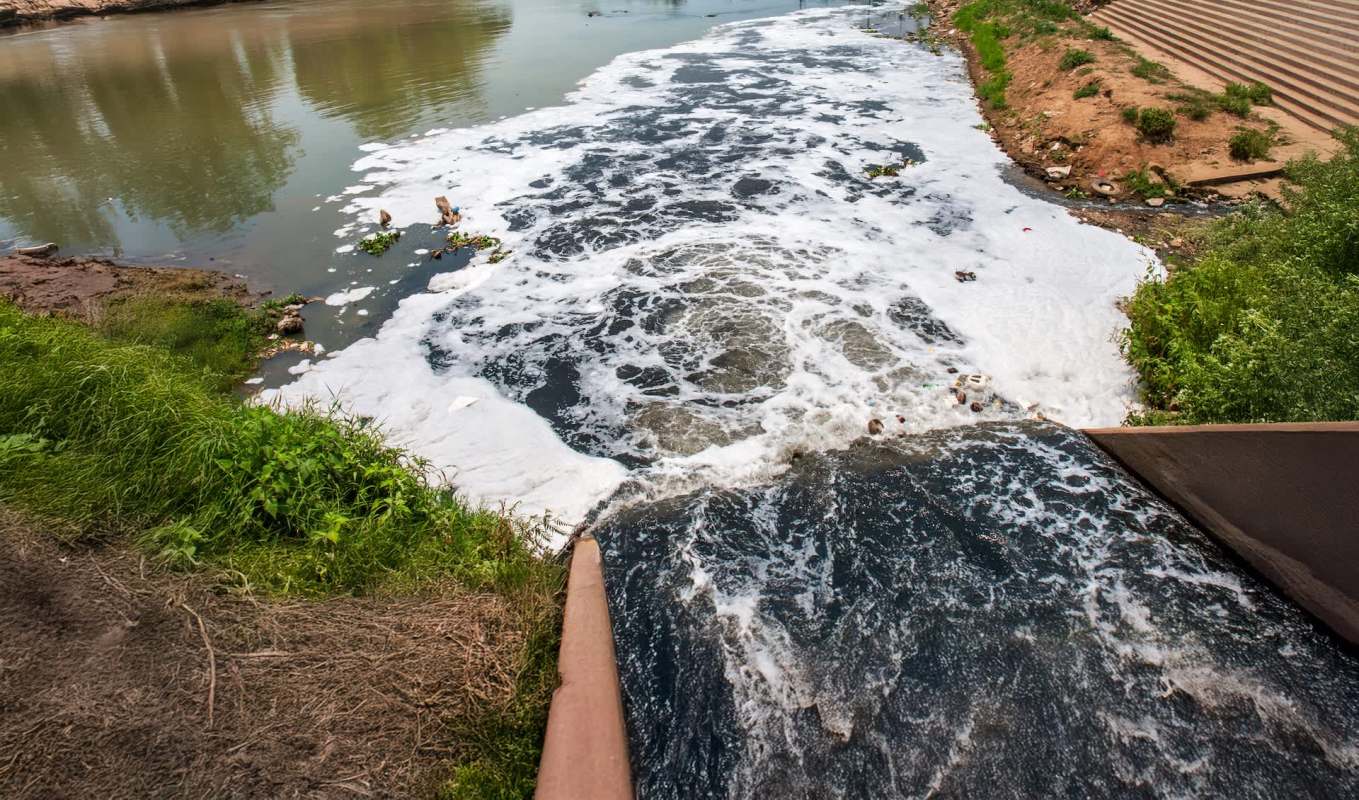
The U.S. Environmental Protection Agency has abandoned one of its own clean water efforts, a move that critics say could threaten the health of more than 60 million people.
What's happening?
In late August, EPA Administrator Lee Zeldin withdrew a proposed rule that would have updated water pollution standards for slaughterhouses.
According to the Environmental Integrity Project — an advocacy nonprofit — meat and poultry processing facilities are notorious for releasing millions of pounds of pollutants, including nitrogen, phosphorus, and heavy metals, into nearby waterways. As Environment America notes, the EPA has not updated pollution limits for these facilities in over 20 years.
"This decision by the Trump administration will mean that slaughterhouses will continue to dump huge amounts of pollution into America's waterways, making them unhealthy for swimming, fishing, and drinking," EIP executive director Jen Duggan said in a statement. "This gross neglect degrades the quality of life of Americans across the country."
In 2024, the EPA said the proposed rule — raised under the previous administration after legal challenges from environmental groups — would have used existing technology to reduce slaughterhouse wastewater pollution by about 100 million pounds per year.
In its reversal under Zeldin, the agency said it wanted to lessen regulations on the processing industry in part because it "is critical to the nation's food supply, and there is a shift in national policy toward ensuring reduction of the cost of living and reinvigorating American industry."
TCD Picks » Quince Spotlight
💡These best-sellers from Quince deliver affordable, sustainable luxury for all




Why is this concerning?
According to the EIP, more than 60 million people live within a mile of streams and rivers that have been polluted by animal processing plants, with low-income communities and communities of color disproportionately impacted. The nitrogen and phosphorus that can enter waterways from these sources can deteriorate water quality, strain water treatment processes, and threaten marine ecosystems.
Clean water is a necessity in life, but it's not a given in much of the world. Globally, an estimated 2 billion people lack access to clean, safe drinking water.
And while proponents of this recent reversal suggest that pulling back on regulations may save farmers and consumers money, there may also be economic costs in terms of water quality degradation, potential human health impacts, and marine die-off down the line.
What's being done about this?
E&E News reported that the recent decision "could reignite a legal battle." With the EIP and Environment America both noting the multiple legal actions that pressed for the proposed rule in the first place, a future lawsuit looking to challenge this move doesn't necessarily seem unlikely.
|
How often do you worry about the quality of your drinking water? Click your choice to see results and speak your mind. |
 Never 👎
 In the meantime, local efforts to monitor water quality and marine health will remain important. Consumers may also choose to use certified home water filtration systems in their own homes as well as work to help make such tools more equitably accessible in their communities.
In addition, consumers might lean toward more plant-based meals in an effort to lessen the water pollution impacts of animal processing facilities on waterways. Eating plant-based foods can also help reduce household food costs in some cases and lower the risk of some diseases.

Join our free newsletter for good news and useful tips, and don't miss this cool list of easy ways to help yourself while helping the planet.






