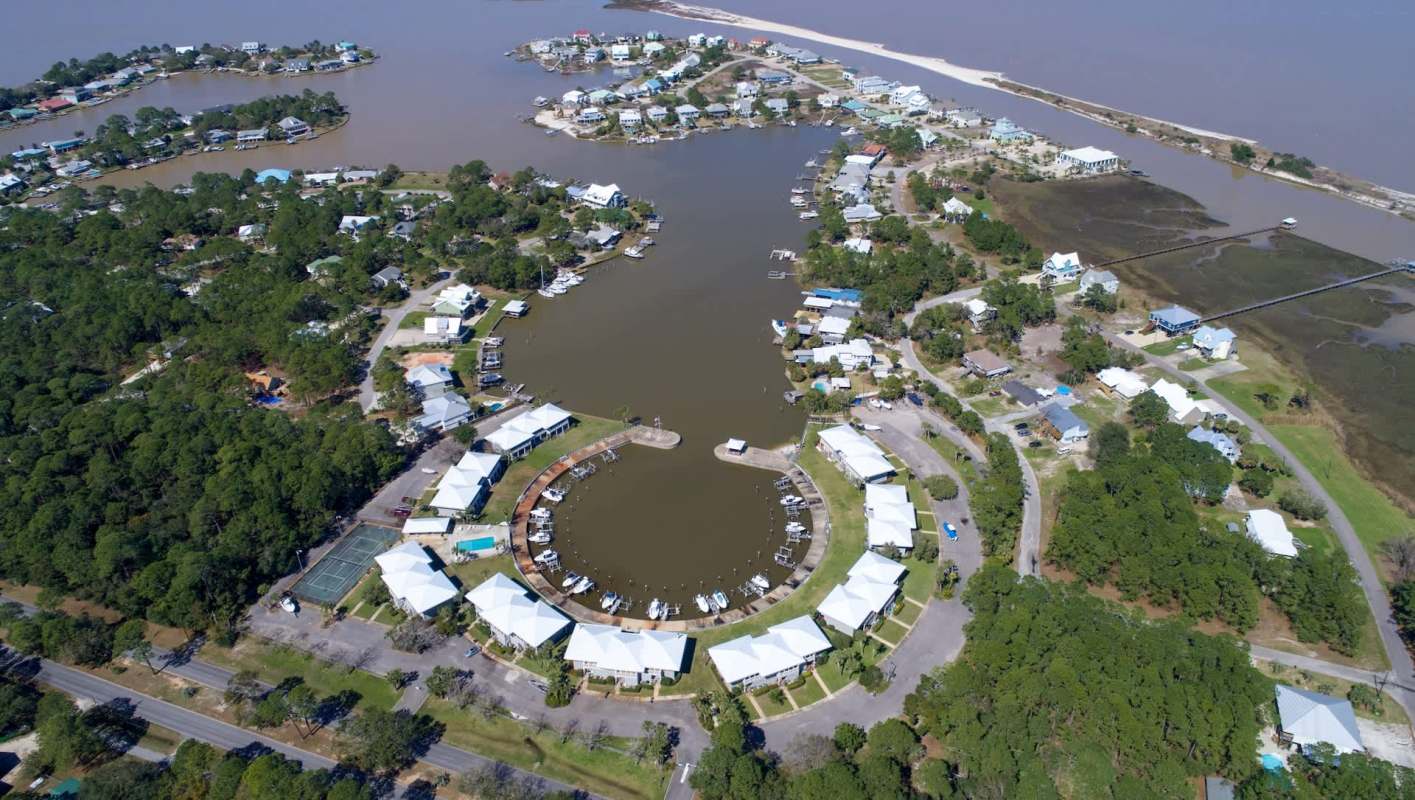
Dauphin Island, Alabama, has endured land shrinkage over the past 20 years due to erosion, flooding, and severe hurricanes. Now, the mayor is concerned that cuts to Federal Emergency Management Agency programs might make it even more challenging to protect the island.
What's happening?
Hurricane Katrina caused the west end beach of Dauphin Island to break apart in 2005, reported CBS News. In the years since, rising sea levels and severe storms have continued to erode the island.
As a result, homes and properties are in "perilous" positions, leaving them vulnerable to wipeout, according to CBS News.
To help alleviate these issues, Mayor Jeff Collier used grants and the Deepwater Horizon oil spill settlement to rebuild beaches.
However, the actual cost of such an endeavor will be well into the millions, which has been challenging to secure. One of the programs the island was going to rely on, FEMA's Building Resilient Infrastructure and Communities, has been stopped by the current administration, exacerbating the financial struggle.
The local government may need to explore alternative solutions. Mayor Collier explained that, if necessary, the town will pay for the restoration projects. Per CBS News, he said, "We only have a certain length of time in order to make differences … on the island before the next [storm] hits."
TCD Picks » Good Store Spotlight
Get 10% off your next purchase with code TCD10



Why is barrier island shrinkage important?
As a barrier island, Dauphin Island is vulnerable to the devastating effects of severe weather, flooding, and erosion — much of which has been made worse by human activity-induced rising temperatures.
And since they're not the only community to face these challenges, it's critical to find solutions.
Kerry Emanuel, a hurricane expert at MIT, explained that increasing ocean temperatures, rising sea levels, and planetary overheating will contribute to stronger (and more destructive) hurricanes, according to Yale Environment 360.
BRIC could have enabled the city to receive grants to combat these issues. Derrick Hiebert, a former administrator for FEMA, told CBS News that the funding cuts may leave communities struggling, as they "don't have another place to turn to address these risks."
TCD Picks » Quince Spotlight
💡These best-sellers from Quince deliver affordable, sustainable luxury for all




|
Do you think your city has good air quality? Click your choice to see results and speak your mind. |
 Definitely 🥰
 But restoration projects like those in Dauphin Island are crucial to coastal communities. For example, a West End Nourishment Project fact sheet explained that it would add approximately 200 acres of public beach, which could protect the town's infrastructure, reduce costly repairs, and create recreational spots.
Additionally, barrier islands help keep the mainland safer from extreme weather events by absorbing wave energy, which can reduce storm surges and coastal flooding, according to the National Oceanic and Atmospheric Administration.
What's being done about coastal erosion?
Although concerns about barrier islands are persistent, restoration projects offer hope.
Often, these projects involve bringing more sand or sediment into the area, which restoration teams can use to create marshes and dunes with native vegetation, according to NOAA Fisheries.
According to the NOAA Habitat Blueprint, investing in nature-based solutions helps protect the coastline from erosion, reduces storm damage, and supports wildlife.

Join our free newsletter for good news and useful tips, and don't miss this cool list of easy ways to help yourself while helping the planet.