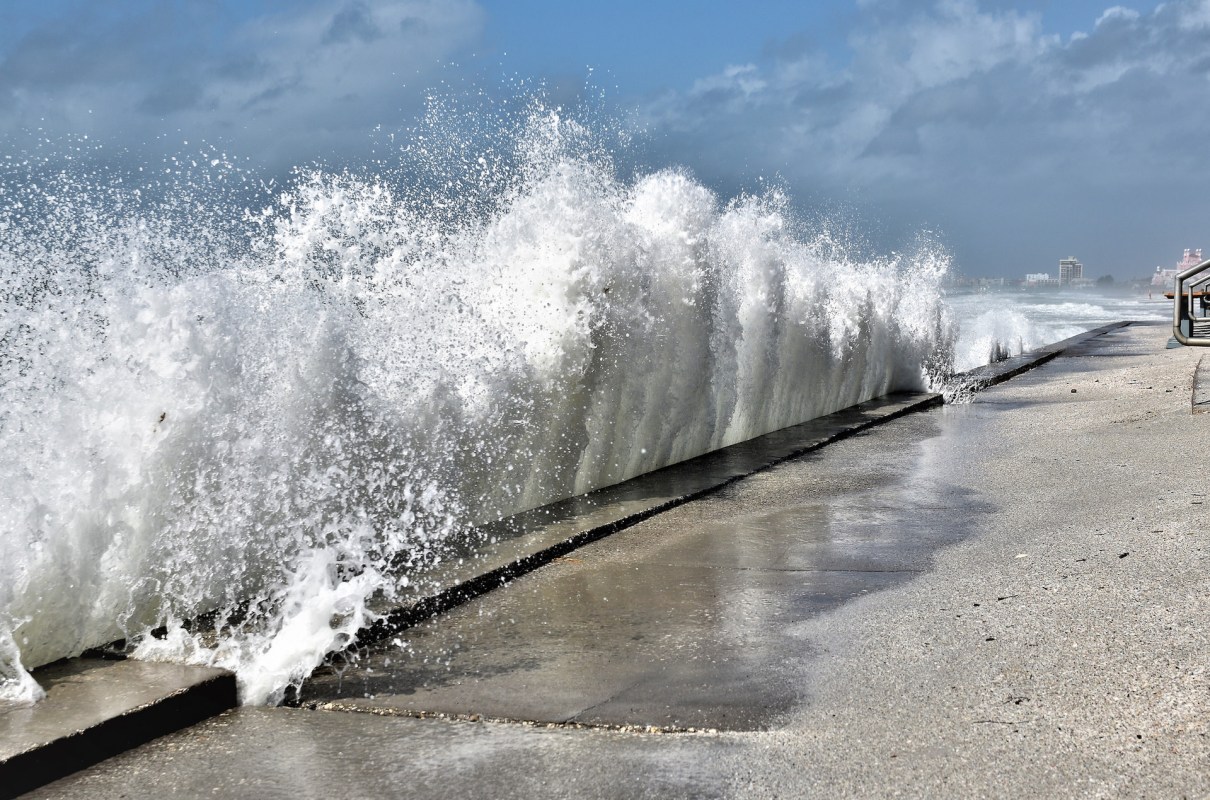
Liberia's lead climate official has raised concerns about the country's preparedness for coastal erosion and floods, revealing that the national plan for climate adaptation remains unfunded, leaving millions vulnerable to rising sea levels and extreme weather.
What's happening?
Artur Becker, director of the Department of Multilateral Environmental Agreements at Liberia's Environmental Protection Agency, told the Liberian Observer that the country's National Adaptation Plan — its 10-year roadmap to tackle climate threats like coastal erosion, flooding, and heat — still lacks a clear price tag.
"The interventions are wide and require a lot of costs," Becker said, noting that Liberia is now seeking funds to determine the total cost.
The lack of funding has left agencies like the National Disaster Management Agency stretched thin, with its budget covering only salaries and basic operations.
Donors like the UNDP, World Bank, and WFP have stepped in to support disaster response, but experts warn that the country's exposure is growing; more than 2.2 million Liberians are at risk from flooding alone.
Why is this funding important?
Liberia is among the world's most vulnerable countries to rising sea levels and extreme weather, which are intensified by human-caused pollution.
TCD Picks » Quince Spotlight
💡These best-sellers from Quince deliver affordable, sustainable luxury for all




Without fully funded adaptation plans, critical infrastructure, homes, and farmland could be destroyed, putting lives, food security, and livelihoods at risk.
"The national adaptation plan is an instrument that accelerates adaptation efforts, but it does not work in isolation," Becker said.
It needs complementary coordination, strategies, and financing to succeed. If no action is taken, experts predict worsening floods, storms, and coastal erosion will displace more families and damage Liberia's economy.
This situation also reflects how human activity, like the burning of dirty energy, is creating pollution that is overheating the Earth, causing sea levels to rise and endangering coastal communities like those in Liberia.
|
Do you think your city has good air quality? Click your choice to see results and speak your mind. |
 Definitely 🥰
 It also brings more frequent and intense extreme weather events like flooding, hurricanes, drought, and wildfires. The most vulnerable wildlife and human communities see the biggest dangers, which means governments and companies must take action immediately.
What's being done about this lack of preparation?
Despite the challenges, Liberia has several projects underway, including the $20.4 million Sinoe coastal protection project and a delayed seawall project in Monrovia's West Point neighborhood.
The UNDP has also helped mobilize millions in climate finance and supported upgrades to early warning systems.
Experts recommend incorporating adaptation funding into Liberia's national budget and using financing tools, like green bonds and public-private partnerships, to scale up protection efforts.
People can support progress by advocating for stronger disaster preparedness funding, helping neighbors in flood-prone areas prepare, and learning more about how climate solutions can protect communities.

Join our free newsletter for good news and useful tips, and don't miss this cool list of easy ways to help yourself while helping the planet.