


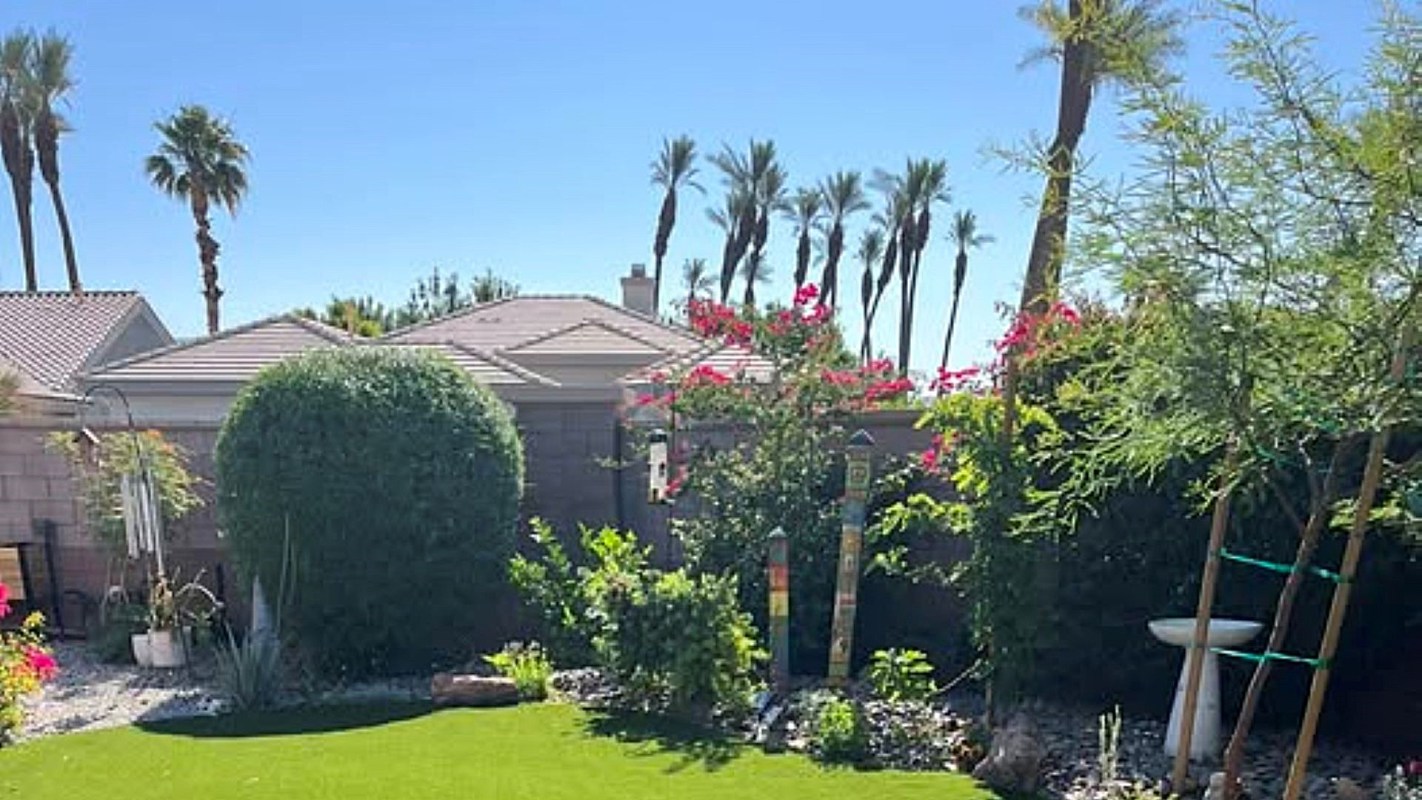
Sometimes the best warnings come from people who've already made mistakes. That's exactly what happened in a popular Facebook gardening group, where one person's desire to rip out their artificial turf kicked off an active conversation about the controversial material.
In the post, the homeowner requested advice on what ground cover to use in place of the recycled plastic turf. He'd chosen the material, thinking it would help save water, but while his dogs had grown to love it, he found it hugely out of place in his work-in-progress yard of native plants.
Cautionary tales and support from others who had learned the hard way about the downsides of fake grass came rolling in. The homeowner was met with a wave of validation, the comments section lighting up with reasons why a natural lawn is the better choice, including for the purpose of conserving water.
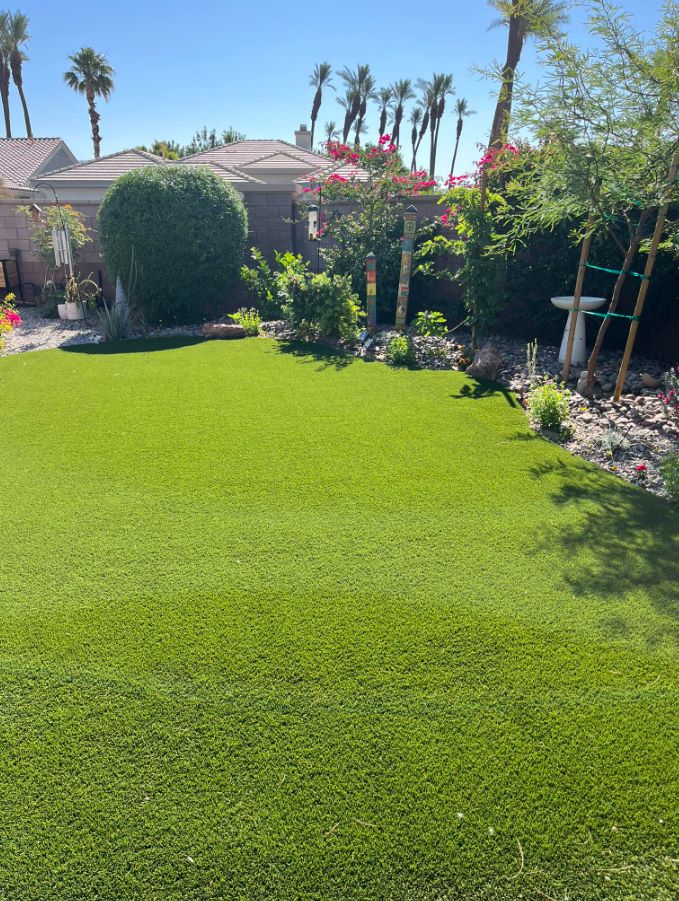
While a no-water, no-mow lawn may seem an easier option, the reality is often much more complex. For starters, many homeowners come to regret the popular landscaping tactic when they realize fake lawns can get dangerously hot in the sun, posing a hazard to humans and to pets.
And despite what sellers claim, fake lawns are not necessarily maintenance-free. A professional landscape designer pointed out that homeowners often find themselves dealing with weeds anyway. And as the artificial turf degrades over time, it can shed microplastics and even release harmful chemicals — such as per- and polyfluoroalkyl substances, or PFAS — into the soil and water.
The good news is that there are lots of better options out there. Upgrading one's yard to become a natural lawn can save time and money on watering while also eliminating the need for harsh fertilizers and pesticides, as native plants are already well-suited to their environment.
TCD Picks » Quince Spotlight
💡These best-sellers from Quince deliver affordable, sustainable luxury for all




Even replacing just a part of a lawn with native ground cover, such as clover or buffalo grass, can make a big difference. This eco-friendly greenery provides a healthier habitat for the pollinators so crucial to the world's food supply.
Commenters on the Facebook post were quick to offer their support and advice. One warned about the hidden dangers, writing, "You are correct to get rid of the plastic. It will burn the dog's paws, easily hitting 150-180 degrees in a Palm Springs summer. It's also made with PFAS (forever chemicals), even if yours is made with recycled forever toxic chemicals."
Another user offered a solution-focused perspective, advising, "Just put in something that you don't worry has to always look 'perfect.' There are even native grasses which could be mowed (high) or left to drift in bunches — that sounds more fun if I were a dog!"
|
What's the hardest thing about taking care of your yard? Click your choice to see results and speak your mind. |
 Mowing the lawn 🏡
Join our free newsletter for easy tips to save more and waste less, and don't miss this cool list of easy ways to help yourself while helping the planet.






