


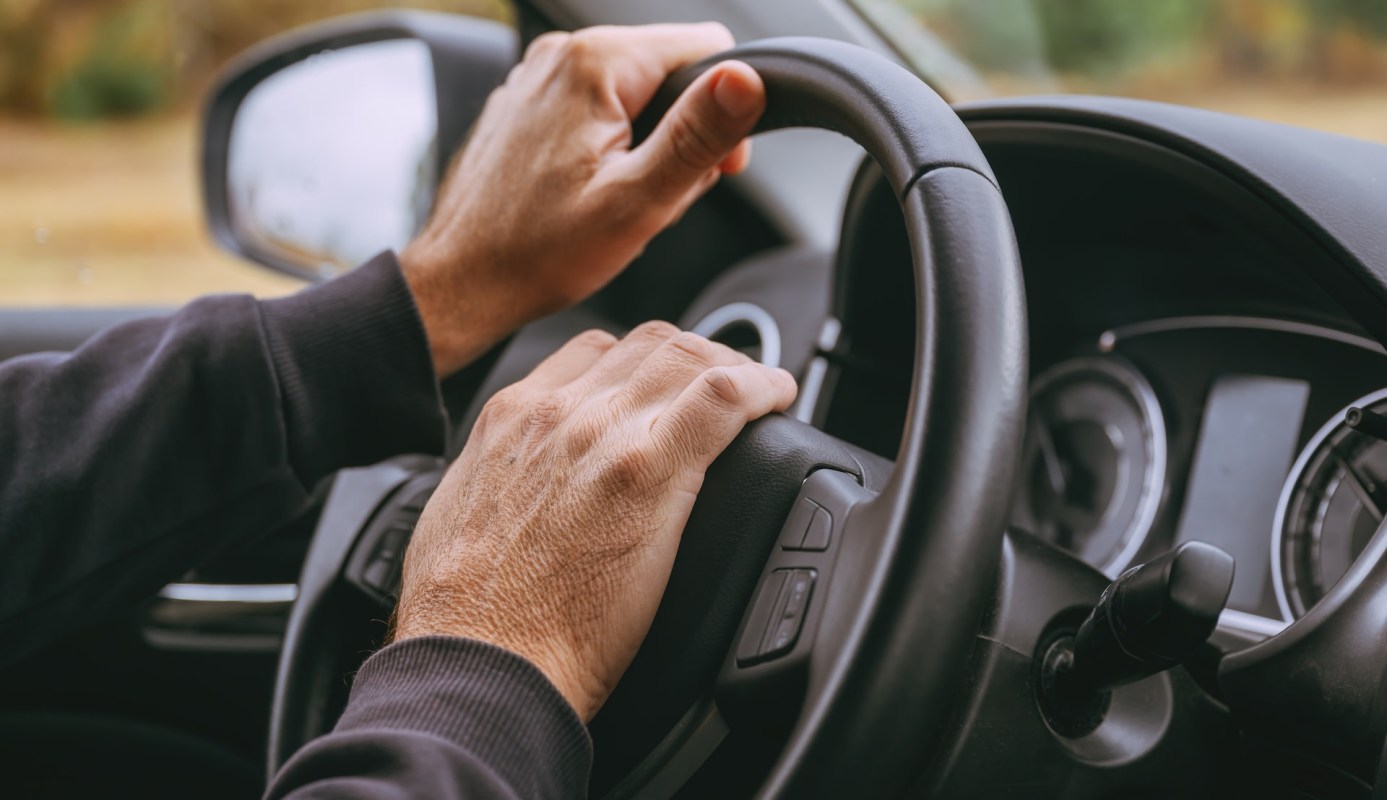
When the temperature spikes, so do tempers, as a Baylor College of Medicine report has noted. With car insurance rates already climbing nationwide, experts cited by Bankrate recently warned that extreme heat could make driving even more expensive, with adjustments made for heat-induced road rage.
What's happening?
Insurance companies have historically considered weather when setting rates, as Moneywise reported recently. Rain and snow make roads dangerous, and more accidents usually mean higher premiums. Now, rising global temperatures are creating another risk that auto insurers are starting to consider: changes in human behavior.
"While this is still an emerging area of research, some insurers are exploring whether long-term risk models and pricing strategies should account for heat-related behavioral trends, particularly in regions where extreme heat is becoming the norm rather than the exception," said Loretta Worters of the Insurance Information Institute, per Bankrate.
According to the news outlet, some of the hottest states also have the highest premiums, though the publication does not specify why this may be. For example, Louisiana drivers pay an average of $3,954 per year, and Florida drivers pay $3,864. By comparison, the national average was nearly $1,300 less as of the July reporting.
Why is the connection between extreme heat and insurance concerning?
The U.S. Environmental Protection Agency has predicted that extreme heat events will become more common because of increasing temperatures, which could mean that drivers can face added risks. High temperatures can cause fatigue, dehydration, and slower reaction times.
The National Highway Traffic Safety Administration has reported that speeding was a factor in 29% of all traffic deaths in 2023, and it killed nearly 12,000 people. If extreme heat fuels more speeding and other aggressive behaviors, the danger to drivers and passengers could rise sharply.
What can drivers do?
While insurers debate whether to include heat-related behavior in their risk models, drivers can take steps now to protect themselves.
TCD Picks » Quince Spotlight
💡These best-sellers from Quince deliver affordable, sustainable luxury for all




According to the Centers for Disease Control and Prevention, to manage extreme heat, people should drink water regularly, know the symptoms of overheating, and limit strenuous activities during the hottest parts of the day. Staying hydrated, keeping vehicles and buildings cool, and recognizing signs of fatigue could ultimately help prevent risky behavior behind the wheel.
Importantly, driving calmly and avoiding aggressive maneuvers can save money. According to Bankrate, avoiding just one speeding ticket can save the average driver about $600 each year — a financial hit that could be prevented with safer habits and staying out of the heat.
While some insurance companies explore new risk models to account for environmental stressors, a broader solution lies in addressing the root causes of rising global heat, which is tied to humans burning dirty fuels and releasing heat-trapping pollution.
At the end of the day, combating pollution — through activities such as switching to an electric car — can lead to cleaner air and a safer food supply, and it also may mean safer roads, lower risks, and more affordable insurance for everyone.
|
Do you worry about having toxic forever chemicals in your home?
Click your choice to see results and speak your mind. |
 Majorly 😥
Join our free newsletter for good news and useful tips, and don't miss this cool list of easy ways to help yourself while helping the planet.






