


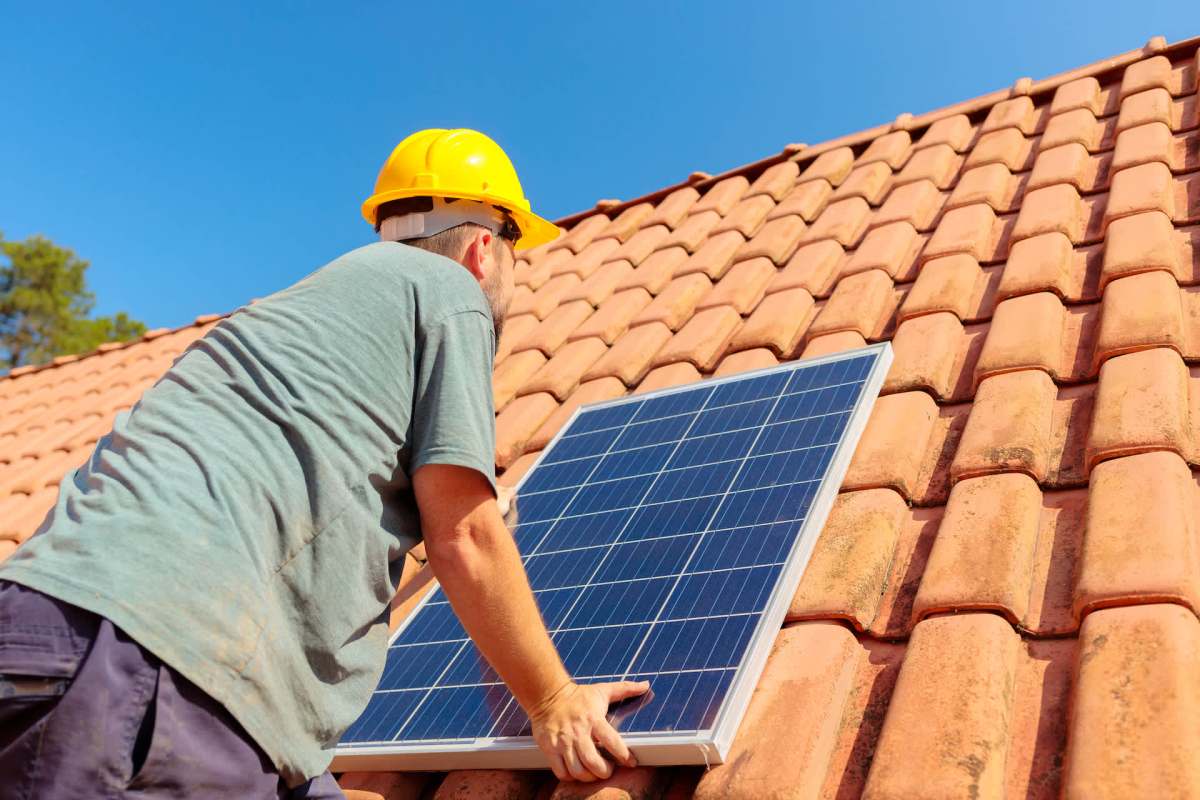
With the price of everything going up, homeowners are looking for ways to save on their pricey utility bills, including a switch to solar power.
In the r/solar subreddit, a Reddit user made a post asking for advice on whether they should invest in solar panels to lower their electricity bills over time. They shared that they live in a large split-level home that's tricky and expensive to heat and cool.
The original poster said that their total gas and electric bill is about $1,000 per month, which "feels unsustainable."
"I also looked into solar. It would cost around $35k before incentives, closer to $20k after, with a break-even of about five years," the OP said. "That seems promising, but I want to make sure I'm putting my money in the right place."
Apart from going solar, they also said they are considering replacing their outdated air conditioner and furnace, adding insulation, and upgrading to smart thermostats. Many commenters advised that proper insulation is definitely important and that solar will pay off in the long run.
"If that solar quote is for a system that can cover close to 100% of your usage I would jump on that immediately! Any payoff 7 years or less is desirable," one user said in the comments.
"I did get solar a few years ago but I also redid my insulation and made improvements on my roof," another user commented. "This has kept my house cooler overall and I use my AC a LOT less."
"Tax incentives for solar will go away by the end of the year, so personally I would prioritize solar first," another commenter said.
Save $10,000 on solar panels without even sharing your phone number Want to go solar but not sure who to trust? EnergySage has your back with free and transparent quotes from fully vetted providers that can help you save as much as $10k on installation. To get started, just answer a few questions about your home — no phone number required. Within a day or two, EnergySage will email you the best local options for your needs, and their expert advisers can help you compare quotes and pick a winner. |

Switching to solar is a great way to create more room in your budget and help the planet at the same time. It can bring the cost of your energy down to or near $0 while significantly reducing the amount of pollution and waste that comes from your home.
EnergySage can help you get started with solar with free online planning tools. Its free service can calculate your overall cost, break down average pricing by state, compare system sizes, and find quick installation estimates in your area.
|
Which of these factors is the biggest obstacle preventing you from getting solar panels? Click your choice to see results and speak your mind. |
 The upfront cost 💰
 With the help of EnergySage, you could save up to $10,000 on solar installations through incentives. EnergySage also has a mapping tool that shows the average cost of a home solar panel system on a state-by-state level, as well as details on solar panel incentives based on where you live.
Upgrading your HVAC system to a heat pump can also result in average savings of nearly $400 per year on your utilities, and Mitsubishi can help you find an efficient, affordable option.
More From EnergySage
💡Go deep on the latest news and trends shaping the residential solar landscape

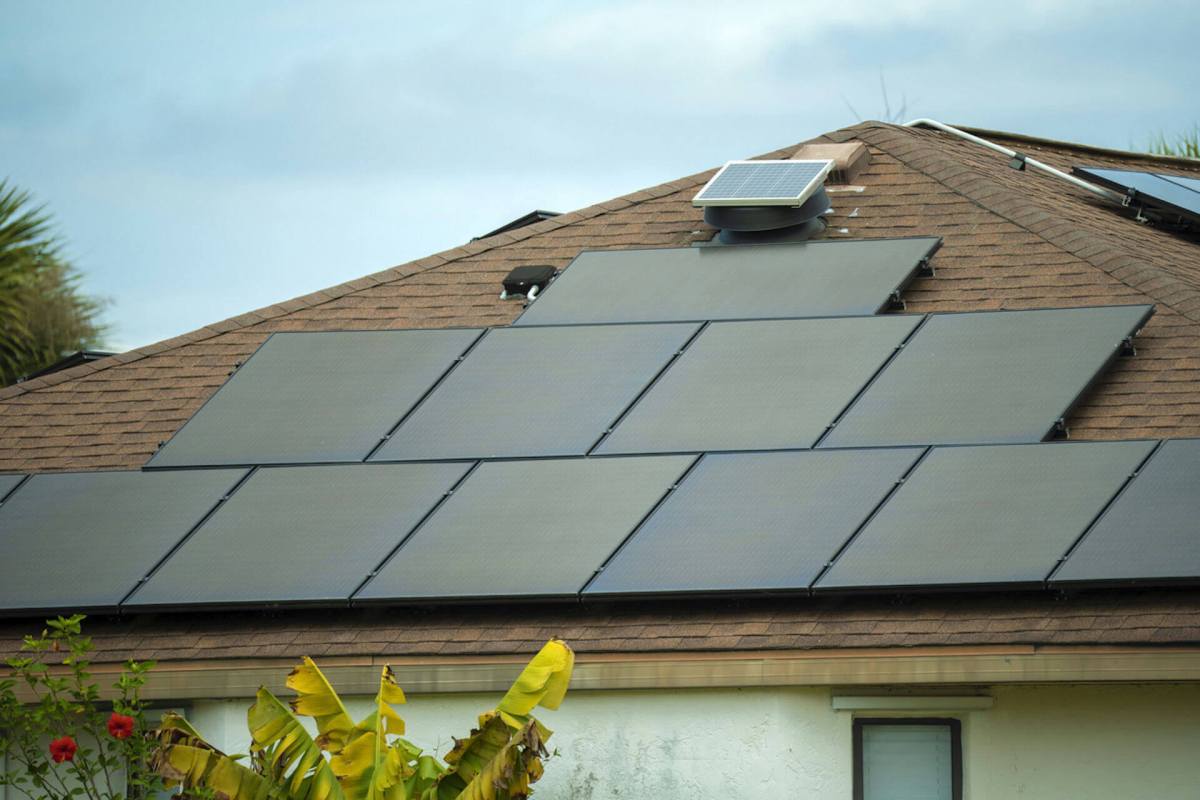

As commenters on the Reddit post mentioned, the government incentives for installing solar panels will not be available forever. Homeowners need to complete their solar installations by the end of this year to get a 30% tax credit, so taking advantage of this sooner rather than later could be worth thousands of dollars.

Join our free newsletter for easy tips to save more and waste less, and don't miss this cool list of easy ways to help yourself while helping the planet.






