


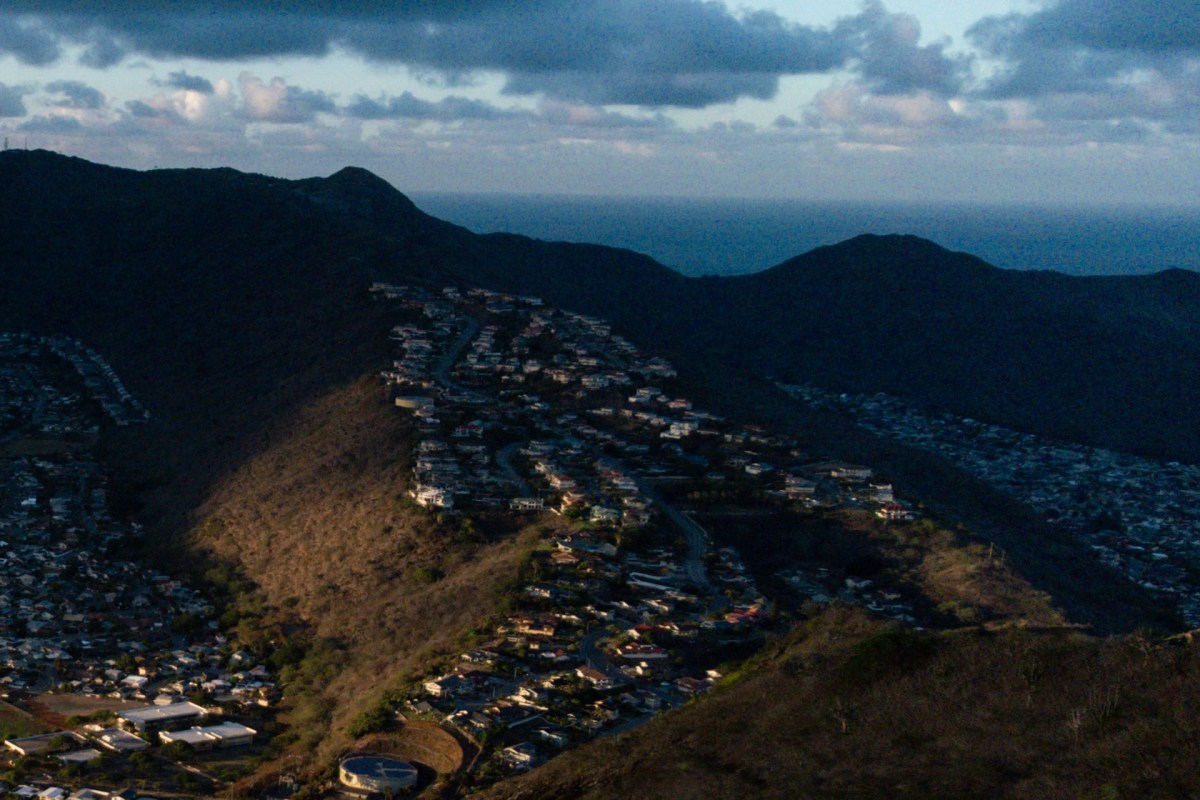
A married couple in Hawaiʻi is concerned about natural disasters after being dropped by their hurricane insurance.
What's happening?
Michael and Marilee Lyons of Haleiwa built their home back in the 1970s, using redwood for a single-wall construction. The choice was cost-efficient at the time, and the couple reported gathering permits to make it all legal. But they recently got a letter from their insurance company stating they would no longer be covered in the event of a severe storm like a hurricane.
"To receive a letter like this is really a slap in the face," Marilee told Hawaiʻi News Now. "They took our money for all these years, and now they're saying, 'I'm sorry we're not going to insure you.'"
The Lyons shared that they know other single-wall homeowners who have been dropped by their insurance as well.
Why are Hawaiʻi residents being dropped by their insurance?
With extreme weather and natural disasters becoming more prevalent in Hawaiʻi, insurance companies are seeking ways to cut their costs and limit their exposure.
"Insurers themselves are reassessing their risk ever since the Lahaina wildfires," said the state's acting insurance commissioner, Jerry Bump. Initially, the damage cost of the 2023 wildfires was thought to be about $5.5 billion, but later estimates showed that the number exceeded $12 billion. Officials determined the fires were ignited when a broken power line came into contact with dry, unmaintained vegetation.
TCD Picks » Quince Spotlight
💡These best-sellers from Quince deliver affordable, sustainable luxury for all




Hurricanes are historically not a common occurrence in the state. However, there is concern that complex conditions relating to weather patterns and global temperature increase can increase the risks of major storms in the islands or near enough to impact them.
The 2024 Central Pacific hurricane season only produced two named storms, and the state saw four named storms in 2023, one of which built into a category four storm.
An overheating planet is playing a critical role in the intensity of storms in Hawaiʻi, as it is elsewhere. In the last century, scientists have recorded air temperatures rising anywhere from one-half to one degree Fahrenheit. Generally, rising temperatures create prime conditions for hurricanes, and storms are increasing in intensity as heat-trapping pollution from human activities increases average temperatures globally.
What's being done about insurance for Hawaiʻi residents?
The state of Hawaiʻi is getting involved in homeowners' fight to insure their properties. In early July, Governor Josh Green signed a new law to help stabilize the state's property insurance market.
|
Do you think your house could withstand a hurricane? Click your choice to see results and speak your mind. |
 No way 😨
 Meanwhile, the state has formed the Hawaiʻi Hurricane Relief Fund for those impacted by hurricanes and the Hawaiʻi Property Insurance Association to cover fire and other property damage. But while these options are available to homeowners, they're not always the most accessible.
"It's not cheap. It's usually expensive. It usually reflects the risk, though, that is associated with that home, how it's built, where it's at," Bump said in the Hawaiʻi News Now report.
"You know being kupuna, older people, we're stuck in this thing where we can stay, we can't move, we can't borrow, we can't get anything," said Michael Lyons.
The news report also noted that homeowners who receive an insurance cancellation letter can use the state's digital guide to homeowners' insurance.

Join our free newsletter for good news and useful tips, and don't miss this cool list of easy ways to help yourself while helping the planet.






