


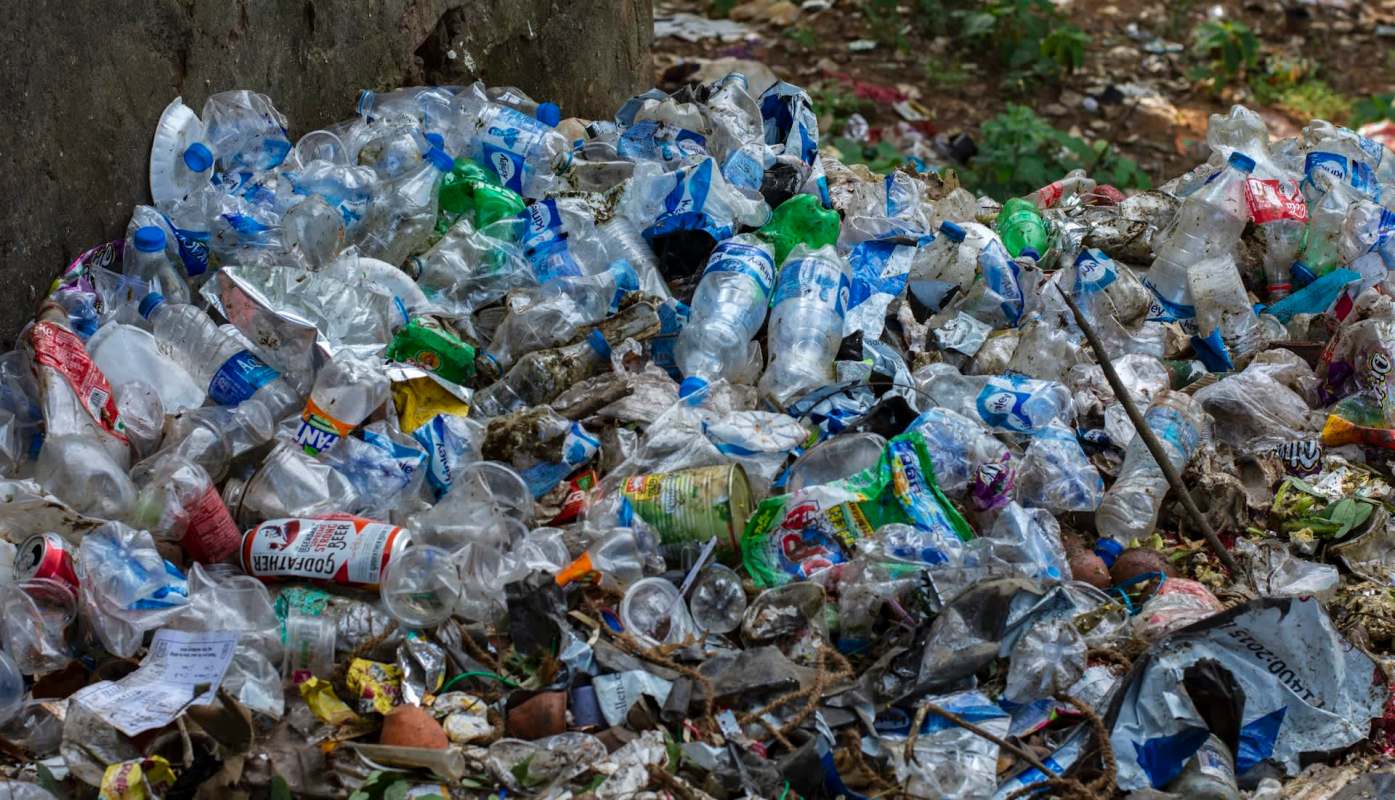
A new study has highlighted a concerning knock-on effect of the growing plastic crisis around the world.
What's happening?
The researchers looked across the entire lifecycle of plastics — from extraction of raw materials, to production/manufacture, collection, and disposal — to investigate the ways that they may influence antimicrobial resistance, or the evolution of germs like bacteria and fungi to resist the drugs designed to kill them.
They found such interplays in each step, which they summarized for Phys.org.
For instance, during the production and manufacturing stage, the use of plastic additives may drive selection for antimicrobial resistance (AMR). And during use, collection, or disposal, plastics can transport resistant biofilms into clinical, agricultural, or aquatic settings.
However, the plastics-AMR relationship can go both ways, according to co-author Pennie Lindeque.
"AMR may also be an inadvertent driver of plastic production, use, and pollution," she stated. "For example, the demand for single-use plastics to ensure sterility in clinics could increase plastic waste. Furthermore, microbial pandemics, like COVID-19, have increased single-use plastic PPE, with vast quantities of waste resulting from discarded masks and gloves."
TCD Picks » Quince Spotlight
💡These best-sellers from Quince deliver affordable, sustainable luxury for all




Why is this study important?
Antimicrobial resistance is a growing concern in the scientific community.
"In 2019, there were an estimated 4.95 million deaths worldwide associated with bacterial AMR, with drug-resistant infections predicted to become the world's primary cause of death by 2050, if left unchecked," the researchers warned in their Phys.org summary.
AMR stands to become even more of a threat as the planet continues to overheat, they added.
This is not the first time scientists have found a link between plastics and antimicrobial resistance.
|
Do you think Americans use too much plastic? Click your choice to see results and speak your mind. |
 Absolutely 🗑️
 For instance, one recent study found that microplastics may contribute to antibiotic resistance, a specific type of AMR where bacteria change to resist antibiotics that used to effectively treat them.
What's being done about the plastics plague?
There are a number of ways that you can reduce your consumption of plastics in your day-to-day life, including using reusable shopping bags at the supermarket, investing in a reusable water bottle, bringing your own to-go containers when eating out, and ditching single-use coffee products.
Some restaurants are making it easier for diners to avoid single-use plastics when they dine out by changing up their cutlery. For instance, one burger joint is offering straws made out of gluten-free pasta.
Meanwhile, a number of governments are implementing different types of plastic bans to help solve the issue. One such policy in New Zealand bars the use of plastic shopping bags and plastic produce bags nationwide.

Join our free newsletter for weekly updates on the latest innovations improving our lives and shaping our future, and don't miss this cool list of easy ways to help yourself while helping the planet.






