


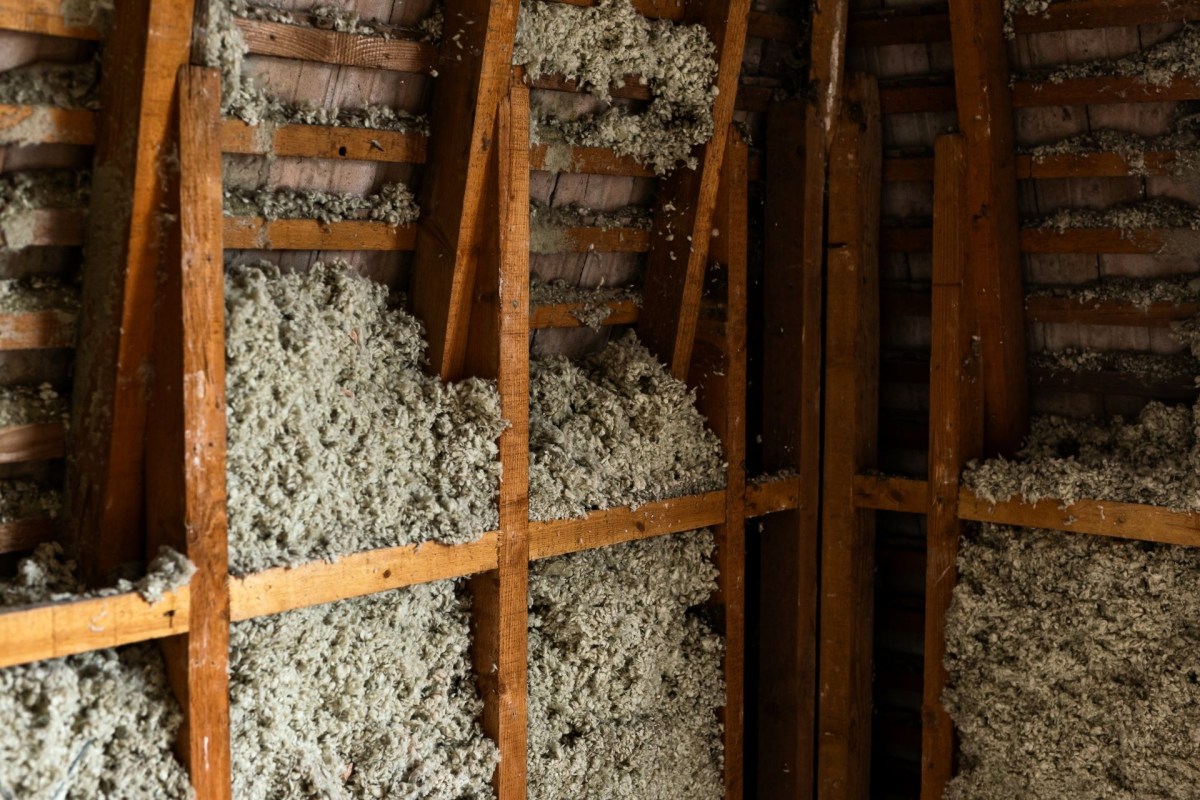
Insulating your home effectively is crucial to reducing its energy demands — and as a result, your monthly power bills. A well-insulated home requires less gas or electricity to heat it in the winter and cool it in the summer.
However, traditional fiberglass insulation, which is used in most homes in the United States, comes with a bevy of issues.
While fiberglass itself is made from around 50% recycled materials, the product itself is non-biodegradable and almost completely non-recyclable, meaning that when it is thrown away, it can sit in a landfill for centuries.
It is also toxic to humans, posing a health risk if you come into close contact with it. And fiberglass production produces air pollutants and volatile organic compounds.
So, what are the alternatives to fiberglass? One homeowner, writing for CleanTechnica, makes a very compelling case for cork.
What is cork?
We all know that corks are used to stop wine bottles. But, as homeowner Ken Dickey explained, those corks are actually solid pieces of bark from a cork tree. Cork bark, which can be harvested sustainably every nine years, can also be ground up and used as insulation.
TCD Picks » Quince Spotlight
💡These best-sellers from Quince deliver affordable, sustainable luxury for all




How is it helping?
Dickey went on to offer a myriad of reasons why cork is the way to go if you want to have the most environmentally sustainable home possible.
Cork insulation can be made from the byproduct of the cork bark already being used for wine stoppers, which means that no additional bark needs to be harvested. And the process of making the insulation blocks only requires cork and steam — no additional chemicals or materials since cork binds to itself.
Not only that, but the boiler used in the process can be powered by cork dust, making the total energy requirement very low. The end result is an insulating material that is fire- and insect-resistant, long-lasting, and highly effective.
With his seven inches of cork insulation and a moderate number of solar panels, Dickey said that his power bill for the entire year comes out to $100.
"Cork is unsurpassed at sequestering carbon," he wrote.
For people looking into other alternatives to fiberglass insulation, hemp blocks are also gaining popularity for similar reasons.

Join our free newsletter for easy tips to save more, waste less, and help yourself while helping the planet.






