


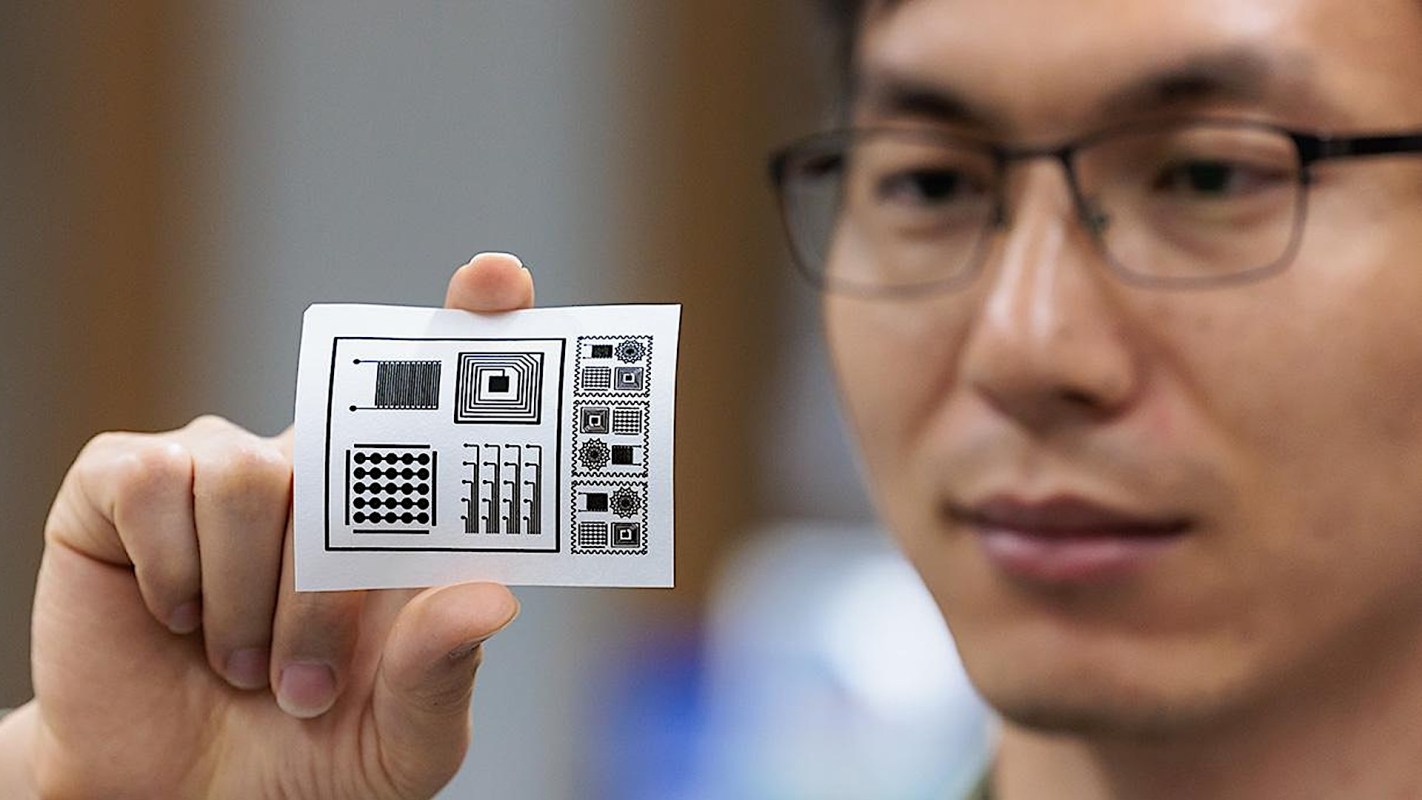
Researchers at the University of Chicago may have found a way to make circuits that doesn't involve abrasive chemicals, according to TechXplore.
Photolithography is the way people typically build the transistors that are vital to everyday electronics. This process involves shining light through a template and onto a photosensitive material on the other side. An array of harmful chemicals are then applied that can latch onto the areas that react with the light.
This new method uses laser etching instead of lithography, and most importantly has been able to replace harsh chemicals with water to achieve comparable effects.
|
Should the government continue to give tax incentives for energy-efficient home upgrades? Click your choice to see results and speak your mind. |
 Absolutely 💯
 "Using water instead of toxic solvents is a major step forward," said study co-author Chuanwang Yang. "We see this being particularly useful for devices that don't need the extreme precision of silicon chips but still require high functionality."
"The combination of sustainable substrates and hazards-free processing substantially lowers greenhouse gas emissions and reduces environmental impacts for device fabrication compared with traditional microfabrication methods," said the paper, which also suggests this method can reduce energy consumption and production time.
Besides the potential applications and reduced environmental footprint, the inspiration for the technology is noteworthy. Study co-author Bozhi Tian said they took a hint from how gecko feet stick and unstick from just about every surface type when developing their technique.
TCD Picks » Quince Spotlight
💡These best-sellers from Quince deliver affordable, sustainable luxury for all




This isn't the first time cutting-edge electronics manufacturing methods have borrowed some ideas from nature. One study used tree leaves as an inspiration for biodegradable circuits.
While we're unlikely to see this new method of circuit printing in our phones or computers, there's a wide range of devices that could dramatically lower their environmental impact by using this production method. Even for those niche use cases, it usually takes a few years for technology to graduate from the lab to the assembly line.
It may well be worth the wait, as we need all the help we can get on this front. Electronics manufacturing has cumulatively produced half of our pollution.

Join our free newsletter for weekly updates on the latest innovations improving our lives and shaping our future, and don't miss this cool list of easy ways to help yourself while helping the planet.






