


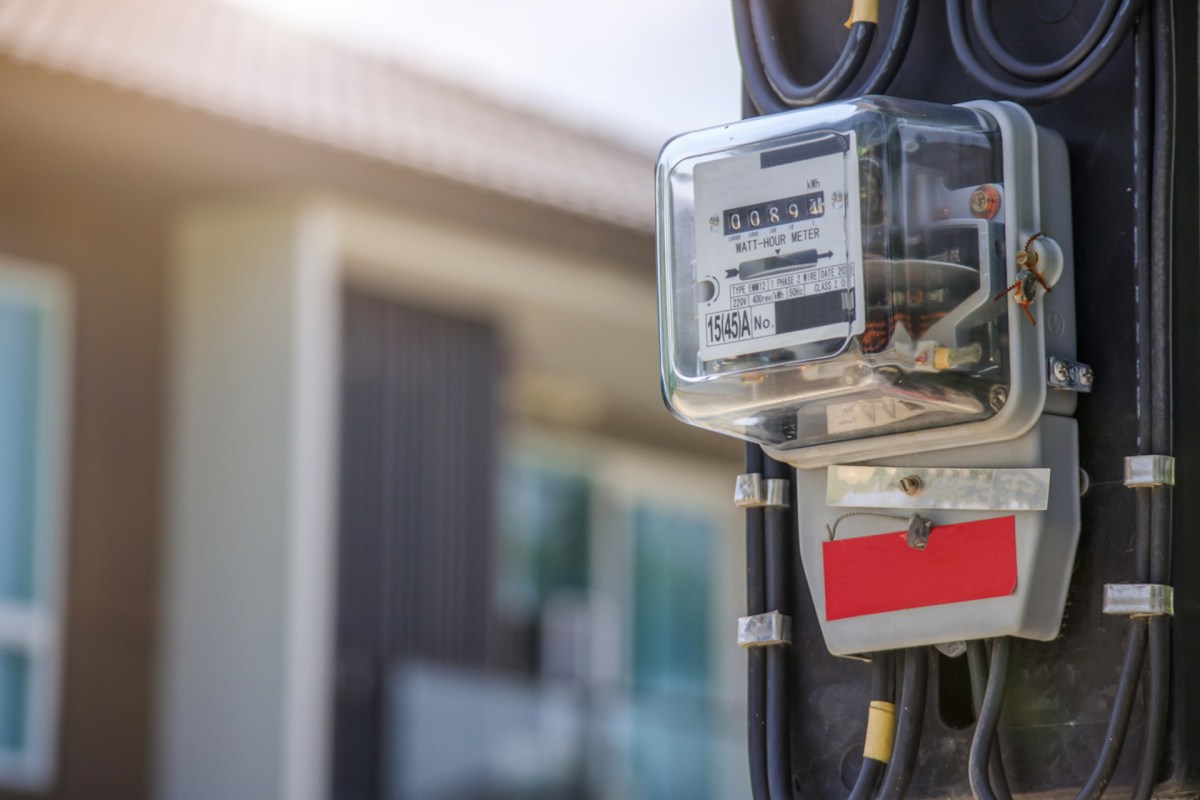
Inflation has caused prices to rise, but you can take back some power by splitting from your electricity provider. What is there to gain? More money in your wallet and cleaner air.
Where does our electricity come from?
As detailed by CNET, the Rural Electrification Act of 1936 helped expand access to electricity to rural Americans. Since then, a combination of utility companies, providers, and electricity cooperatives has emerged.
In short, a utility company is responsible for maintaining and running the grid's infrastructure, generally including power plants, solar arrays, wind farms, power lines, and transformers. However, the nitty-gritty details of the management system can vary, with providers and co-ops acting as "a sort of middleman," per CNET.
Go Solar Programs at Solar United Neighbors vice president Corey Ramsden told CNET that cooperative systems are "generally defined as an electric utility owned by its members; as opposed to an investor-owned utility owned by shareholders." Most customers in the U.S. get their power from an investor-owned utility, according to the U.S. Energy Information Administration (EIA).
Regardless of the management method, states can have regulated or deregulated systems. At this time, most of the country is part of a regulated system.
While the U.S. is making promising strides toward a cleaner grid, more than half of our power still comes from dirty fuels like gas, coal, and petroleum, according to the EIA.
These energy sources aren't just more expensive on average. They also release pollution that causes our planet to overheat — contributing to food insecurity, rising insurance costs amid more frequent and intense extreme weather events, and health problems like heart disease.
Why should you switch providers?
Households have differing electricity consumption levels and habits, so you might be paying rates that are much higher than your unique needs.
Crushed by your bills? See instant solar savings from vetted installers in just a few clicks With energy prices through the roof, there's never been a better time to go solar — and EasyHome can help you find the best prices from the best installers in your area. EasyHome takes the guesswork and headaches out of energy upgrades by showing you estimated savings from a network of vetted local partners. To get started, just enter your ZIP and share a few details about your home — seeing your estimate is really that easy. |

If you live in a deregulated energy market, choosing your own provider is one of the easiest ways to save money and contribute to a healthier, less polluted future. The competition between providers can result in significant savings and better service, and you'll have control over which energy source is powering your home.
How can I get started?
SaveOnEnergy offers free tools to help you compare plans and determine the best course of action for your situation.
While CNET reports there are just 18 states with fully or partially deregulated electricity markets, advocating for policies that matter to you and getting others on board are ways to work toward a future in which more people can choose their providers.
However, people in regulated energy markets still have options to reduce their electric bills by more than $1,000 every year, whether they plan to go off-grid with their own solar systems, sign up for community solar, or invest in more energy-efficient appliances.

Join our free newsletter for easy tips to save more, waste less, and help yourself while helping the planet.






