


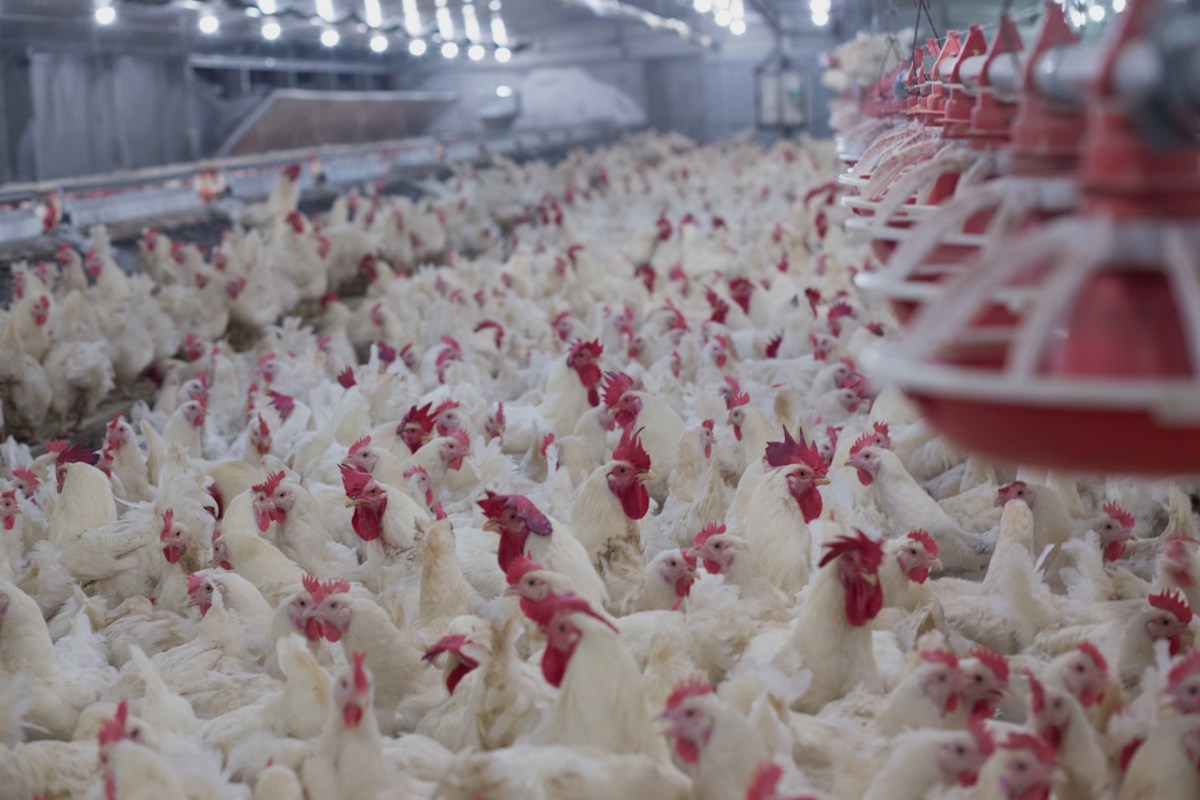
A solution may be around the corner to an avian flu outbreak that has led to the deaths of millions of chickens over the past two years, causing food prices to rise, impacting opportunities for farm workers, and raising concerns about public health.
As detailed by Fast Company in October, scientists successfully hatched chickens that they believe are resistant to Highly Pathogenic Avian Influenza, which emerged in 2022.
To do this, they used CRISPR gene-editing technology, which allowed them to make two amino acid substitutions in the chickens, thus altering the protein that hosts the virus, according to the findings in the journal Nature Communications. Nine of the 10 gene-edited chickens had avoided infection at the time of publication.
"Breeding for resistance and resilience to disease has significant potential in farmed poultry," the study explained. "With recent advances in the development of genome editing technology, novel resistance/resilience alleles can now be introduced into chicken populations."
While selective breeding has been around as long humans have been farming, genetically modified foods, which have been commercially available in the U.S. since the 1990s, have been a hot topic of debate, as Fast Company pointed out. According to a 2020 Pew Research Survey, almost half of respondents wondered about their safety.
However, food from GMO reduce the need for harmful chemical pesticides and could help make our food supply more resilient to a number of challenges, possibly helping some of the most vulnerable people around the world.
TCD Picks » Quince Spotlight
💡These best-sellers from Quince deliver affordable, sustainable luxury for all




Extreme weather events, crop-destroying pests and pathogens, and the spread of disease have increasingly impacted our food supply amid a warming planet. According to a study in Nature Microbiology, "the unprecedented extent of highly pathogenic avian influenza coincides with intensifying global climate changes that alter host ecology and physiology."
While the extent of the link between the avian flu outbreak and changing weather patterns is still under review, the devastating personal impact has been clear.
"It's a trauma. We're all going through grief as a result of it," Sunrise Farms co-owner Mike Weber told PBS after his chickens tested positive for the flu and had to be killed to prevent the virus from spreading.
At this stage, much more research needs to be done on gene-editing chickens, but scientists have expressed optimism about the early results.
"Although we haven't yet got the perfect combination of gene edits to take this approach into the field, the results have told us a lot about how influenza virus functions inside the infected cell and how to slow its replication," Imperial College London professor Wendy Barclay told the Economic Times in the fall.

Join our free newsletter for weekly updates on the coolest innovations improving our lives and saving our planet.






