


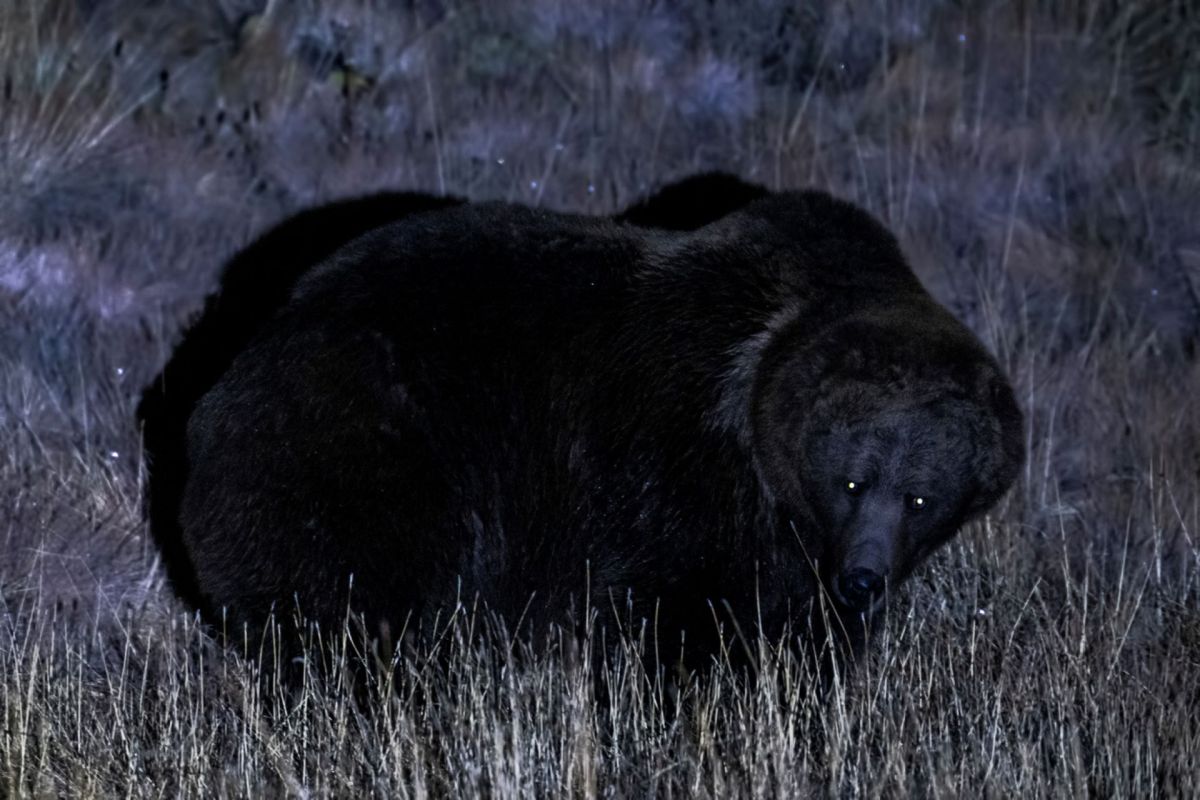
A 2021 study sounded alarms for the Himalayan brown bear population in Jammu and Kashmir, India.
What's happening?
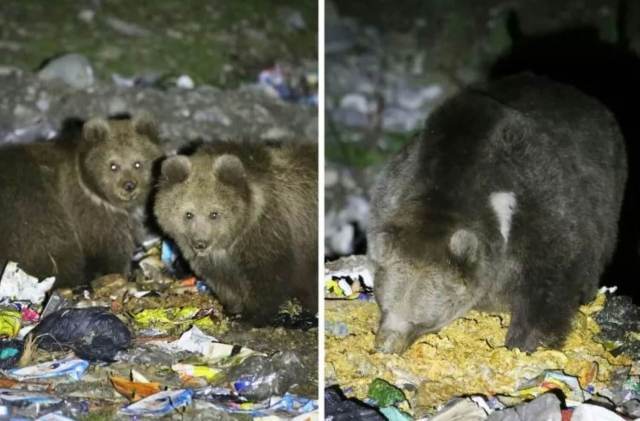
More than three-fourths of the ursine's diet consisted of garbage from local dumps, and the location of the scavenging increased the chances of conflict with humans, Newsweek reported in December.
Wildlife SOS and the J&K Wildlife Protection Department conducted the research, examining 408 scat samples from the bears. They reported garbage food items (75%) were higher in the scats of brown bears than the wild plant matter (15.5%).
"Bears are noncecal monogastric and do not digest fiber efficiently so highly digestible high calorie food are essential to their diet," the study stated.
Eighty-six samples contained plastic, and some even included glass. Less than 1% showed crops or animals consumed by the animals.
"These bears are usually omnivorous, eating grasses, fruit, berries, roots and other plants as well as animals like sheep and goats," according to Newsweek. "However, if a more convenient food source is available, such as a garbage dump full of human food waste, they will take the easy option."
TCD Picks » Quince Spotlight
💡These best-sellers from Quince deliver affordable, sustainable luxury for all




The study used cameras to document the landfills, and they spied foxes, jackals, dogs, ponies, and cattle as well.
Why is this concerning?
Himalayan brown bears are critically endangered. Only 130 to 220 mature adults exist in the wild, according to the study.
"Since these are not a part of the natural diet of these bears — who usually feed on grass, berries, plants and small mammals — these items can be harmful to the gastric intestinal structure of the brown bear," Wildlife SOS head wildlife biologist Swaminathan Shanmugavelu told Newsweek. "It can cause severe ailments and even shorten their lifespan.
"Such behaviours can also be passed on from mother to cub leading to a loss in natural foraging traits, impacting the survival rate of the brown bear population in the region."
What's being done?
The study brings to mind a bear that was euthanized in Colorado in September after it ingested plastic and other waste.
"We could not leave a sick bear like this knowing it was suffering and struggling to survive," Rachel Sralla, area wildlife manager for Colorado Parks and Wildlife, stated.
Wildlife SOS and the J&K Wildlife Protection Department identified solutions to the problem, including installing chain-link mesh with a solar electric fence to prevent wildlife from entering dumps and using bear-proof trash cans. It also suggested banning plastic bottles and bags in favor of eco-friendly options.

Join our free newsletter for cool news and cool tips that make it easy to help yourself while helping the planet.







